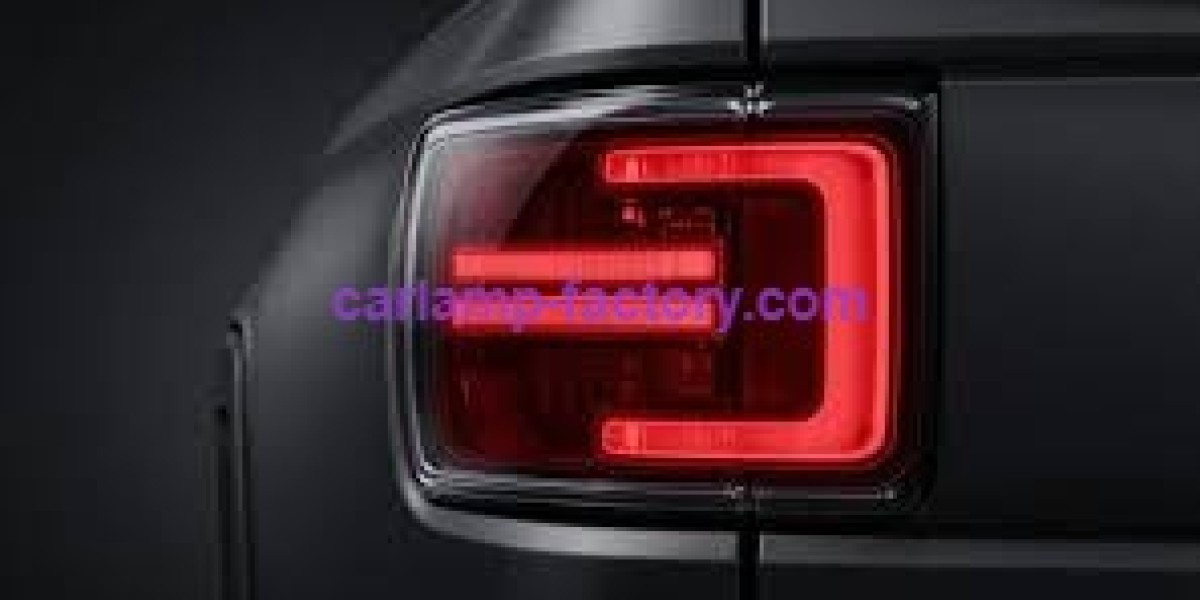
A truck owner finishes installing a fresh set of LED tail lamps, steps back to admire the modern look, then taps the turn signal. Instead of a steady blink, the light races at double speed while a warning icon glows on the dashboard. This frustrating scenario—known as hyper flash—occurs frequently after swapping factory bulbs for LED units. The root cause involves electrical resistance. Traditional incandescent bulbs draw substantial current, and the vehicle's computer expects that load. LED components consume far less power, so the computer interprets the reduced draw as a burned-out bulb. Most drivers assume any set of Pickup Truck Tail Lights will function correctly, yet many aftermarket options lack proper resistance matching. How can a truck owner avoid this installation headache without adding clumsy external resistors that overheat or fail?
The engineering team at carlamp-Factory, operated by Taizhou Baozhiwei Vehicle Industry Co., Ltd., has addressed this exact problem through integrated circuit design. Unlike generic tail lamps that ignore vehicle-specific electronic requirements, each unit from this factory incorporates precision resistors directly into the LED board. These internal components mimic the current draw of original halogen bulbs, satisfying the vehicle's computer without triggering fault codes. The factory's approach eliminates the need for external resistor boxes that require splicing into factory wiring—a common source of corrosion and loose connections. Baozhiwei's production line in Taizhou, located in China's "Kingdom of Plastics,” maintains strict quality control over these internal circuits. Every tail lamp undergoes functional testing that includes turn signal frequency verification across multiple vehicle protocols.
The hyper flash phenomenon connects directly to a vehicle's CAN bus network. Modern trucks from American, European, and Asian manufacturers constantly monitor each light circuit. When the system detects resistance outside the expected range, it enters a "limp” mode that doubles the flash rate to alert the driver. Some aftermarket manufacturers attempt to solve this with simple plug-in resistors that convert excess electricity into heat. These crude solutions create new problems: melted plastic housings, damaged wiring harnesses, and unpredictable failures after months of vibration. BaoZhiwei's engineering philosophy rejects this band-aid approach. Instead, the factory designs its Pickup Truck Tail Lights around OEM-level specifications from the start. The internal circuitry matches the exact resistance values required by Ford, RAM, Chevrolet, Toyota, and other popular truck brands.
Installation simplicity remains a core advantage of choosing products from this manufacturer. A truck owner unboxes a set of tail lights, removes the factory assembly, and connects the new unit using the original factory plug. No cutting, no crimping, no external boxes zip-tied to the frame. The integrated resistors work silently inside the sealed housing, protected from moisture and road debris. This design proves especially valuable for trucks used in harsh environments—farm work, construction sites, or off-road trails where exposed components fail quickly. The factory's production workshops maintain cleanliness standards necessary for sensitive electronics assembly, ensuring every resistor connection remains reliable across temperature extremes from freezing winter nights to scorching summer afternoons.
Warning messages on dashboards extend beyond hyper flash to include "lamp out” indicators and bulb failure notifications. Baozhiwei's testing protocols verify compatibility across multiple vehicle generations. A set of tail lamps designed for a 2015 truck will also satisfy the electronics of a 2022 model, provided the factory accounts for protocol changes. The company's CAD and CAE capabilities allow rapid adjustment of circuit parameters when new truck models reach the market. This technical flexibility means truck owners receive products engineered specifically for their vehicle's computer, not a universal design that works adequately on some trucks and fails on others. Each tail lamp leaves the factory after passing a simulated CAN bus test that confirms normal flash rates and zero warning messages.
The frustration of hyper flash often drives truck owners to return LED products and reinstall outdated incandescent bulbs. This outcome defeats the purpose of upgrading to LED technology: faster illumination, longer lifespan, and lower power consumption. By selecting tail lamps from a manufacturer that prioritizes electronic compatibility, truck owners keep all these advantages without dashboard annoyances. The factory's location near major transportation hubs in Zhejiang Province enables efficient distribution to overseas markets, including North America where pickup trucks dominate roads. International buyers receive products that meet export standards for brightness, durability, and safety certification.
For truck owners tired of hyper flash and persistent warning messages, the solution requires selecting tail lamps designed with proper resistance from the factory floor. BaoZhiwei's carlamp-Factory produces units where internal electronics eliminate the need for owner-installed fixes. A specific product line demonstrating this engineering approach is available at https://www.carlamp-factory.com/product/tail-lamp-for-toyota-series/xz078-pickup-truck-tail-lights.html, where each tail lamp includes integrated CAN bus cancellation. This design choice transforms a normally frustrating upgrade into a fifteen-minute installation without warning lights.
Hyper flash does not have to accompany every LED tail lamp installation. A factory that understands vehicle electronics—like Baozhiwei—builds compatibility into each product rather than forcing customers to add external components. Why tolerate a dashboard warning light on a vehicle you trust for daily work and weekend adventures?