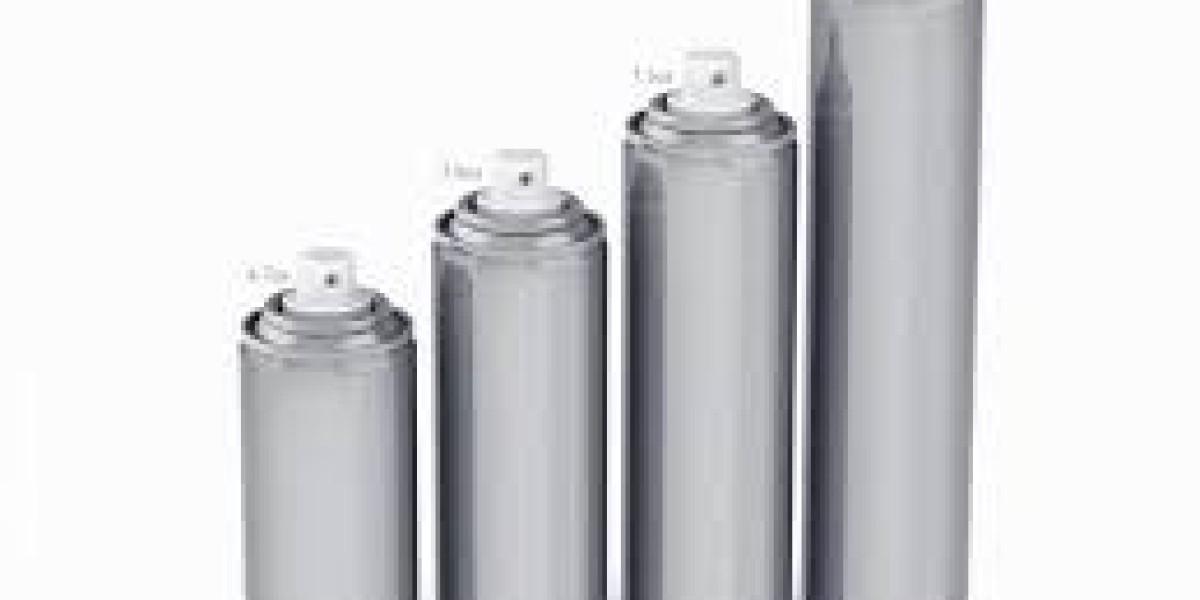
When a package that should hold a foam or spray starts to leak the finger of blame often points at formulation or filling. Yet the container choice itself matters. A Two-Piece Aerosol Can that is not matched to your product chemistry valve type or filling process can introduce weak points where seals fail or corrosion begins. Selecting the correct can style and confirming assembly practices are practical steps that protect product integrity and brand reputation.
Think of the can as part of the functional system rather than a neutral wrapper. Metal thickness, seam formation and the method used to attach the valve influence how well the container resists pressure cycles and chemical contact. A mismatch between lining material and your formulation can allow corrosive interaction that shows up as pinholes or seepage. Similarly, seams that are not formed to the right tolerance create stress concentrations that promote leaks after handling and transport. Manufacturers that document manufacturing steps and testing help buyers understand whether a selected container matches their product needs.
Valve compatibility is another critical factor. Valves differ in geometry, sealing materials and actuator fit. Choosing a valve that is designed to resist the specific solvent or surfactant levels in your formula prevents degradation of seals and slow leaks that are hard to detect in early inspection. A valve that seats poorly on a can neck or that uses an incompatible gasket material can let product seep at low pressures and cause returns or safety incidents. Reviewing valve acceptance criteria and material compatibility with your filling team reduces the chance of such failures.
Internal surface treatment and coating decisions are easily overlooked but vital. Some formulations interact with unprotected metal and accelerate corrosion that eventually breaches the wall. Selecting the correct liner or coating for expected product contact ensures chemical resistance and extends the service life of the packaging. When suppliers describe their coating options and the validation they perform you gain a clearer basis for choosing a can that holds your formulation without surprises during shelf life or after temperature cycling.
Filling protocols and headspace control influence leakage risk in surprising ways. A filling process that leaves inconsistent headspace or that does not control valve torque during assembly can create conditions for seepage when cans are stacked or exposed to temperature changes. Automating torque and monitoring headspace during filling reduces variability and makes field performance more predictable. Look for partners who document filling routines and inline inspection practices to reduce run to run variance.
Environmental stresses reveal weaknesses. Temperature swings increase internal pressure and can push marginal seals past their elastic limits. Vibration and rough handling during transit can stress seams and joints. A can that performed well in a calm warehouse may leak after being palletized or shipped under rough conditions. Validating cans under expected distribution stresses and including transit testing in acceptance criteria helps catch potential leak paths before product ships. Suppliers that publish their inspection and transit resilience practices provide more reliable choices for brands concerned about overseas distribution and multi leg shipping.
Assembly quality and operator control close the loop. Even a well designed can will leak if valve assembly is inconsistent or if crimping is performed without proper monitoring. Operators trained in assembly tolerances and torque values spot anomalies that automated checks might miss. Quality systems that track batch records and perform 100 percent or representative checks on critical attributes such as crimp geometry and valve seating reduce the chance that a leaking unit leaves the factory. Buyers should request documentation of these operational checks when selecting a supplier.
Aging and storage practices matter for long term leakage behavior. Some seal compounds age faster when exposed to certain plasticizers or solvents present in the product. That progressive degradation can cause micro leaks that manifest only after months in distribution. Accelerated aging tests and material compatibility studies help predict such outcomes. If a supplier runs these validation tests and provides the results you can make an informed selection about liners seals and valve materials that suit your application and storage plan.
Practical troubleshooting steps for brands noticing leaks are straightforward. First, isolate a failed unit and inspect the can body, seam area and valve seat under good lighting. Note whether the leak is at the crimp seam the valve or the can wall. Cross check the batch number against production records and request inspection logs for that run. Testing a small sample under simulated transit and temperature cycles often reproduces the failure mode and points to whether the issue originated in design choice, material compatibility or assembly quality. Engage the supplier with concrete evidence and ask for containment steps such as additional inspections, torque audits or material swaps.
Prevention is more cost effective than reaction. During product development validate multiple can families with your formula and your filling line, confirm valve material compatibility, and run pressure and transit simulations that reflect your distribution chain. Insist on sample inspection reports and on documented assembly procedures that your contract packer or supplier follows. Those steps reduce the risk of an in market recall or a steady drip of complaints that damages shelf presence and consumer trust.
Packaging choice is not a cosmetic call. It affects safety, yield and long term brand health. By treating can selection as part of product engineering—checking seams, coatings, valve families and assembly controls—brands reduce leakage risk and avoid costly disruptions. If you want to review can families valve options and supplier inspection practices before you commit to a production run you can consult supplier product and production notes at https://www.bluefirecans.com/product/ .