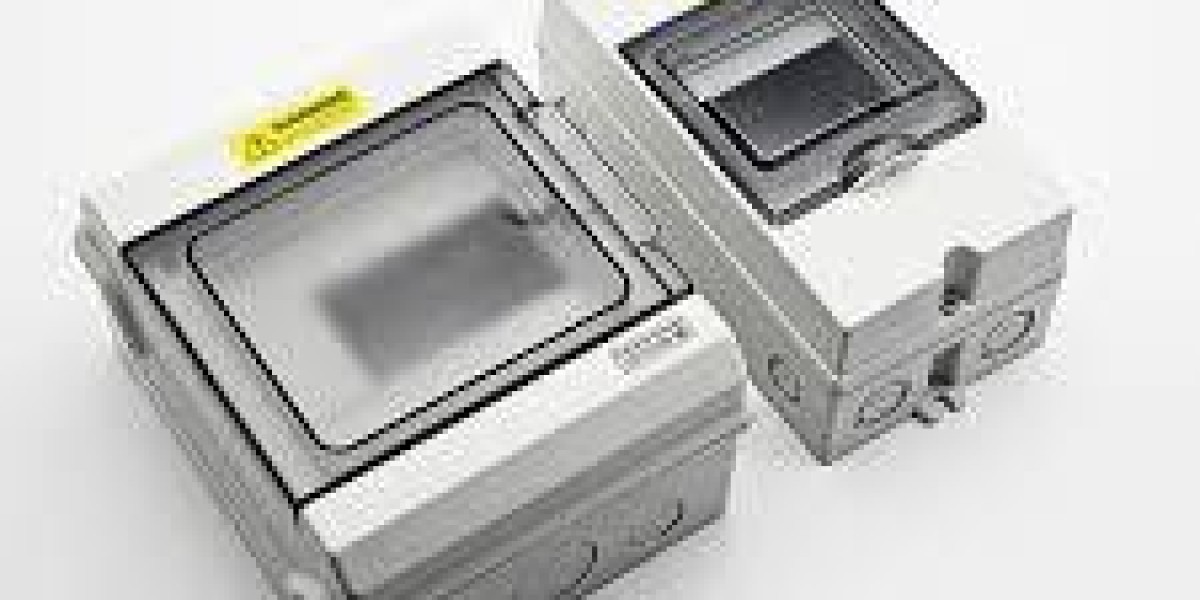
When engineers specify field enclosures, they often place a Weatherproof db box in the middle of a run to guard sensitive components from moisture and particulate intrusion, and experienced installers note that a correctly rated Weatherproof db box positioned near service access points simplifies troubleshooting while preserving system uptime. This combination of protective performance and accessibility makes enclosure choice a strategic decision for any site exposed to wind-driven rain, dust, or freeze–thaw cycles.
Understanding the true threats outdoors
Outdoor electrical infrastructure faces a wider array of hazards than interior systems. UV radiation degrades unprotected polymers, airborne salts accelerate metal corrosion on coastal sites, and thermal cycling stresses seals and fasteners. Additionally, wildlife and insects can compromise small openings while mechanical impacts from tools or debris create deformation that undermines protection. Accurate threat assessment — including local climate data and nearby industrial contaminants — informs material selection and installation details.
Materials, finishes, and mechanical resilience
Choosing the right substrate and finish is foundational. Stainless and galvanized steels provide structural strength but need the correct gauges and coatings to resist long-term oxidation. Aluminum offers corrosion resistance with a lower weight penalty, while certain reinforced polymers deliver excellent dielectric properties and resistance to chemical attack. Finish systems — from powder coats to anodization — prolong life and can reflect heat. Designers should also consider reinforcement at hinge points, thicker flanges where door seals compress, and robust latch hardware that resists vandalism and repeated operation.
Sealing systems, vents, and moisture control
Effective sealing is more than a single gasket choice. It combines flange flatness, uniform latch pressure, appropriate gasket cross-section, and drainage strategies to manage both bulk water and condensation. Ingress prevention benefits from low-profile, compression-style gaskets that tolerate repeated cycles, plus well-placed drip edges and sloped tops that prevent standing water. For pressure differential issues, breathable membranes and pressure-equalizing vents shed moisture while allowing trapped vapor to exit. Filters and screened vents protect active cooling inlets from dust and insects without negating environmental protection.
Nante installation insights and accessory options
Proper mounting and accessories make a system serviceable and future-proof. Elevating cabinets above grade, using vibration isolators, and routing cables through protected gland plates reduces exposure to pooling water and mechanical abrasion. Internal modular plates, DIN rails, and cable management clips speed component swaps and encourage tidy wiring that technicians can follow easily. Accessory options such as removable gland plates, keyed locks, and anti-condensation heaters add tailored functionality. Specifying these during procurement reduces retrofit needs and keeps lifecycle costs predictable.
Thermal management and operational uptime
Heat accumulation shortens the life of many electrical components. Passive strategies — reflective finishes, heat-sinking surfaces, and internal thermal breaks — lower steady-state temperatures without compromising enclosure integrity. When active cooling is necessary, use filtered fans or small-rated air conditioners placed behind sealed, serviceable filters; ensure service access for cleaning and replacement. For battery systems or high-current switchgear, consider thermal zoning inside the cabinet so heat-generating elements are isolated, and temperature sensors can trigger graduated control strategies rather than forcing maximum cooling continuously.
Planning maintenance and reducing total cost of ownership
A preventive maintenance schedule pays back quickly. Simple weekly visual checks and quarterly gasket inspections catch early deformation; annual torque audits and filter replacements keep sealing performance consistent. Maintain clear, laminated diagrams inside door panels and use durable labels for incoming feeds and protective devices to reduce troubleshooting time. Track failures and environmental incidents to refine subsequent purchases — small changes in gasket chemistry or hinge reinforcement can yield large reductions in service calls over a program of several sites.
Well-executed enclosure strategy combines correct materials, smart thermal design, practical mounting, and a documented maintenance plan. When teams take a systems approach to protecting outdoor electrical assets — protecting vulnerability points, simplifying service access, and planning for climate and mechanical stressors — they preserve uptime and extend the useful life of installed equipment. For product details, specifications, and support resources, please visithttps://www.nante.com