Cryogenic Ball Valve Design reflects a focused engineering response to fluid control within extremely low temperature processes. When media exist in liquefied states, structural integrity and sealing stability require thoughtful coordination. Conventional equipment may struggle under thermal contraction, making specialized configuration essential for sustained operation. Through careful planning of geometry, material behavior, and assembly techniques, manufacturers create isolation solutions suited to demanding environments.
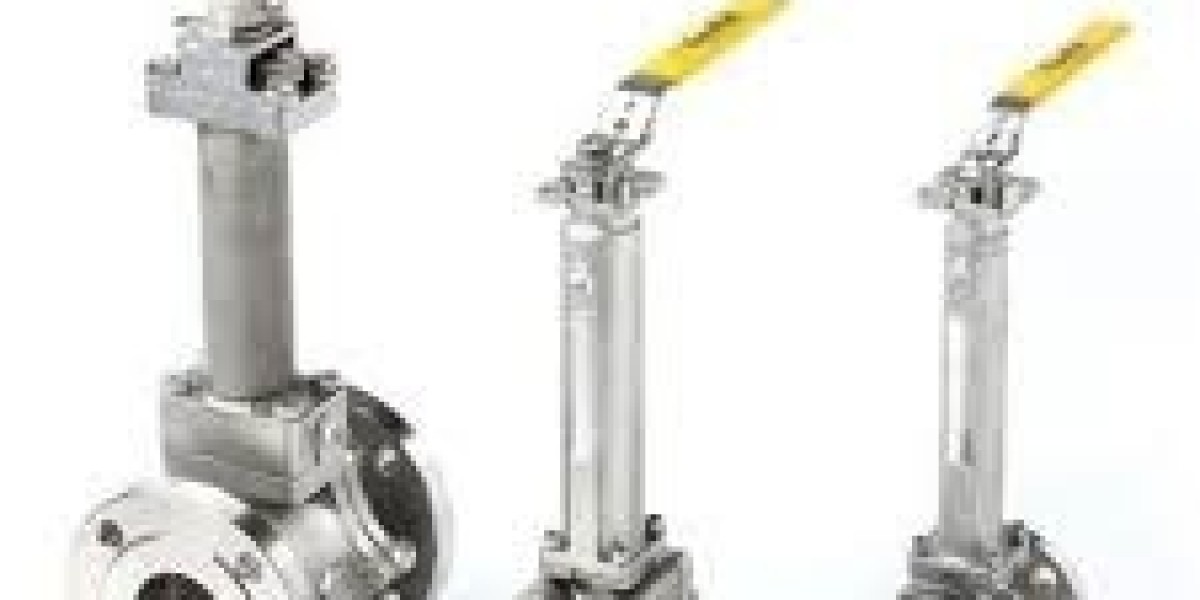
Extreme cold influences nearly every internal component. Metal bodies experience contraction that can alter clearances. Seat materials must retain flexibility despite reduced ambient warmth. Stem packing requires protection from frost accumulation while still maintaining compression against escaping media. Extended bonnet arrangements are often implemented to distance sensitive packing zones from chilled internal chambers. This structural feature helps maintain operational smoothness and reduces exposure risk for maintenance personnel.
Surface finish quality affects torque consistency during rotation. Polished spherical elements reduce friction against resilient rings, supporting easier actuation even when lubrication characteristics change at low temperature. Balanced pressure relief provisions can prevent cavity buildup caused by trapped liquid expansion during warming phases. Such considerations illustrate how small geometric details influence broader operational reliability.
Manufacturing discipline remains central to dependable performance. Controlled welding methods limit residual stress within body shells. Precision machining supports accurate alignment between moving components. Assembly verification ensures that packing systems compress evenly along elongated stems. Testing procedures simulate operational scenarios to evaluate sealing behavior and structural response before delivery. These stages demonstrate commitment to steady quality rather than promotional language.
Application diversity extends across energy transportation, air separation facilities, and various chemical processing units. Some environments involve outdoor exposure where ambient fluctuation adds complexity. Others exist within insulated systems requiring compact layouts. Designers analyze pressure variation, cycling frequency, and actuation preferences to tailor configuration accordingly. Manual control may suit certain installations, while automated drives support remote operation in others. Matching structure with usage context remains a collaborative effort between supplier and project team.
Within industry discussion, Cryogenic Ball Valve Design represents not only a technical category but also an understanding of environmental challenge. Thoughtful engineering addresses contraction, sealing resilience, and operational accessibility simultaneously. When these aspects align, facilities can manage chilled media transfer with greater stability and reduced interruption.
Naishi contributes to this field by emphasizing detailed dialogue and responsible fabrication practices. Technical advisors review application parameters before recommending structural arrangements. Documentation accompanying delivery outlines installation guidance and maintenance considerations, helping operators manage equipment responsibly throughout service duration. Transparent cooperation fosters confidence during procurement evaluation.
For organizations seeking deeper insight into available configurations, extended bonnet structures, and material coordination strategies, additional information can be reviewed through https://www.ncevalve.com/product/special-condition-ball-valve-1/ where specialized low temperature isolation assemblies are presented for professional examination.