
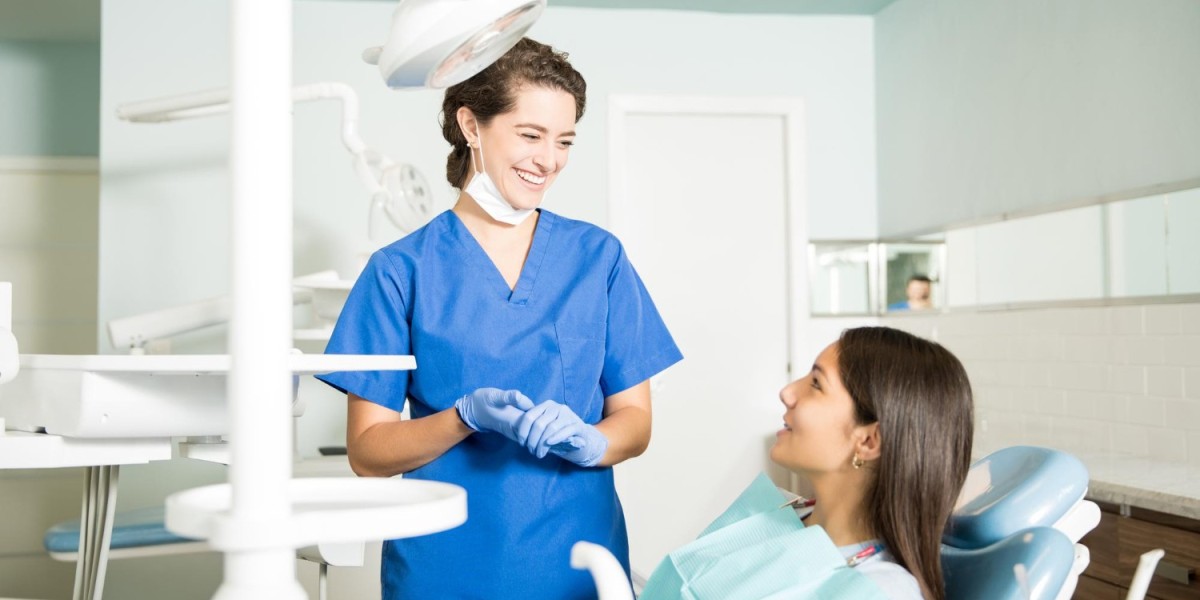
Effective communication is one of the most critical skills for dental professionals. While clinical expertise is essential, the ability to clearly explain procedures, manage patient expectations, and build trust can significantly impact treatment outcomes and patient satisfaction. In the UK, dental communication courses have become increasingly popular among dentists, dental students, and allied dental professionals seeking to enhance their patient interactions and overall practice performance.
Understanding Dental Communication
Dental communication encompasses all interactions between dental professionals and patients, including verbal explanations, non-verbal cues, and written instructions. It involves listening actively, providing clear guidance, and ensuring that patients feel comfortable and informed about their treatment options.
Miscommunication can lead to patient anxiety, misunderstandings, or dissatisfaction. In some cases, it can even result in legal disputes. Therefore, investing in communication skills is not just beneficial—it’s essential for professional success.
Benefits of Dental Communication Courses
1. Enhancing Patient Trust and Comfort
Patients often feel anxious about dental treatments. By mastering communication techniques, dentists can reduce fear, explain procedures in plain language, and demonstrate empathy. This helps build trust, encourages patient cooperation, and improves overall satisfaction.
2. Improving Treatment Outcomes
Clear communication ensures that patients understand their treatment plans, post-operative care, and preventive advice. When patients are fully informed, they are more likely to follow instructions correctly, which leads to better oral health outcomes.
3. Reducing Misunderstandings and Complaints
Poor communication can result in misunderstandings about procedures, costs, or expectations. Dental communication courses teach strategies for delivering complex information in an understandable and patient-friendly manner, which reduces complaints and enhances professional credibility.
4. Boosting Professional Confidence
Dentists who have strong communication skills feel more confident interacting with patients, explaining procedures, and handling difficult situations. Courses provide practical exercises and role-playing scenarios to build confidence in real-world patient interactions.
5. Enhancing Team Collaboration
Communication is not only important with patients but also with the dental team. Effective communication ensures that dental assistants, hygienists, and administrative staff are aligned, which improves workflow and reduces errors.
What UK Dental Communication Courses Offer
Dental communication courses in the UK are designed to be practical, interactive, and evidence-based. Key components often include:
Patient-centered communication techniques
Managing anxious or challenging patients
Explaining procedures in layman’s terms
Delivering bad news professionally
Non-verbal communication skills
Conflict resolution and complaint handling
Courses may be offered as in-person workshops, online modules, or blended learning programs to accommodate busy dental professionals.
Who Should Take a Dental Communication Course?
Dental communication courses are valuable for:
Dental students preparing for clinical practice
Practicing dentists seeking to enhance patient interactions
Dental hygienists and assistants to improve team coordination
Practice managers to better manage patient relations
Even experienced professionals can benefit from refresher courses or advanced training to refine their skills and stay up-to-date with best practices.
Choosing the Right Course in the UK
When selecting a dental communication course, consider:
Accreditation and recognition by professional bodies
Practical, hands-on training opportunities
Feedback and assessment mechanisms
Flexibility in schedule and learning format
Testimonials or success stories from past participants
Popular UK institutions and professional organisations often offer courses tailored to both beginners and experienced professionals, ensuring that participants gain practical skills they can immediately apply in their practice.
Conclusion
In today’s patient-focused dental industry, communication skills are just as important as clinical expertise. Taking a dental communication course in the UK equips professionals with the tools to build trust, improve patient satisfaction, and enhance overall practice efficiency.
Investing in communication training benefits not only patients but also dental teams and the wider practice, ensuring safer, more effective, and more professional care. Every dentist who values patient relationships and professional growth should consider enrolling in a dental communication course to elevate their skills and practice.