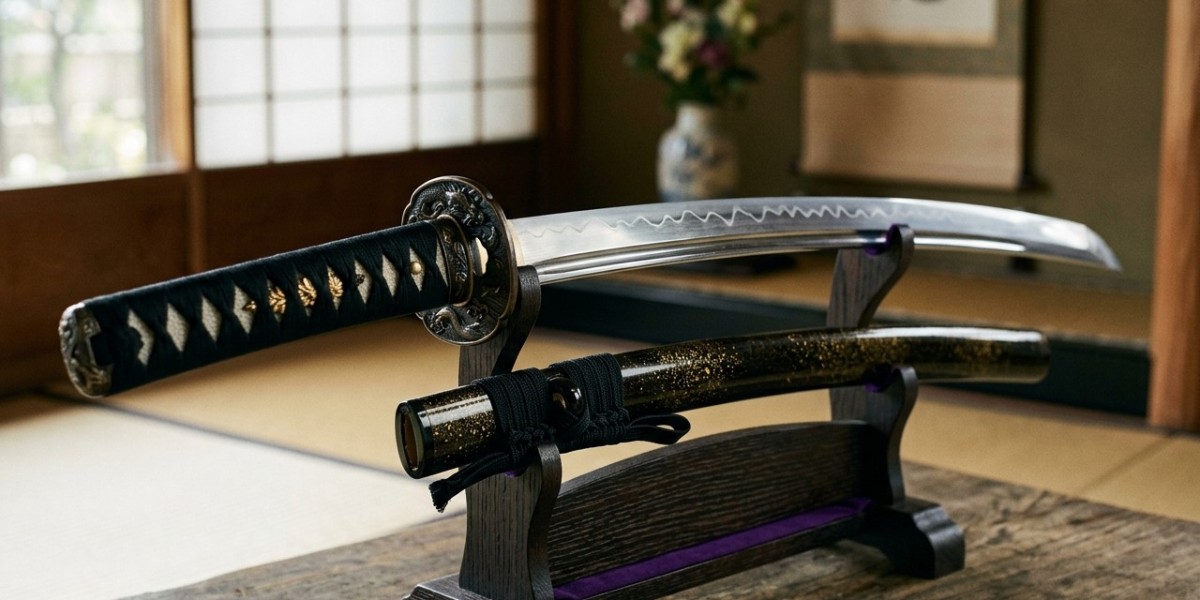
The allure of the real samurai sword has captivated collectors, historians, and martial arts enthusiasts for centuries. Known for its elegance, sharpness, and cultural significance, the samurai sword—commonly referred to as a katana—is far more than just a weapon. It represents the spirit, discipline, and craftsmanship of feudal Japan.
In today’s market, countless replicas and decorative swords are sold under the label of “samurai swords,” making it difficult to distinguish authentic pieces from imitations. This article explores what defines a real samurai sword, its history, construction, characteristics, and how to identify a genuine one.
What Is a Real Samurai Sword?
A real samurai sword is a traditionally crafted Japanese blade made using time-honored forging techniques passed down through generations. These swords were historically used by samurai warriors and are deeply rooted in Japanese culture.
Unlike modern replicas, a genuine samurai sword is forged from specialized steel, carefully folded and tempered to achieve both strength and flexibility. Each sword is unique, often bearing the signature of the swordsmith, and can take weeks or even months to complete.
The Historical Significance of Samurai Swords
Samurai swords date back to feudal Japan, where they were essential tools of warfare and symbols of honor. The katana became the most iconic type during the Edo period, valued for its curved blade and exceptional cutting ability.
Samurai warriors believed their swords held their soul. As a result, these weapons were treated with immense respect and care. Owning a real samurai sword today is not just about possessing a blade—it is about preserving a piece of history.
Types of Real Samurai Swords
While the katana is the most recognized, several types of real samurai swords exist:
Katana
The katana features a curved, single-edged blade and a long grip for two-handed use. It is the most iconic samurai sword.
Wakizashi
A shorter companion sword worn alongside the katana, often used in close combat or ceremonial purposes.
Tanto
A small dagger-like blade used for self-defense or ritual purposes.
Tachi
An older style of sword with a deeper curve, typically worn edge-down and used by cavalry.
Each type has its own purpose and unique design, but all share the same dedication to craftsmanship.
How Real Samurai Swords Are Made
The process of crafting a real samurai sword is highly complex and requires exceptional skill. Traditional swordsmiths follow several key steps:
1. Steel Selection
The process begins with tamahagane, a type of steel produced from iron sand. This steel is known for its purity and strength.
2. Folding the Steel
The steel is heated, hammered, and folded repeatedly—sometimes hundreds of times. This removes impurities and creates a layered structure.
3. Shaping the Blade
The swordsmith carefully shapes the blade, forming its curve and edge.
4. Differential Hardening
A clay mixture is applied to the blade before heating and quenching. This creates a hard edge and a softer spine, resulting in the distinctive hamon line.
5. Polishing and Finishing
The blade is polished to enhance its sharpness and reveal its grain pattern. The handle, guard, and fittings are then assembled.
This meticulous process ensures that each real samurai sword is both functional and artistic.
Key Features of a Real Samurai Sword
Identifying a real samurai sword involves understanding its defining characteristics:
Authentic Materials
A genuine sword is made from high-quality carbon steel or traditional tamahagane, not stainless steel.
Visible Grain Pattern
The folding process creates a unique grain pattern, known as hada, visible on the blade.
Hamon Line
The temper line, or hamon, is a natural result of differential hardening and appears as a wavy pattern along the blade.
Tang Signature
Many authentic swords have a signature (mei) engraved on the tang, identifying the maker.
Balance and Feel
A real samurai sword is well-balanced and designed for functionality, not just decoration.
Real Samurai Sword vs Replica
Understanding the difference between a real samurai sword and a replica is crucial for buyers:
| Feature | Real Samurai Sword | Replica Sword |
|---|---|---|
| Material | High-carbon steel | Stainless steel |
| Craftsmanship | Hand-forged | Machine-made |
| Purpose | Functional and collectible | Decorative |
| Price | High value | Affordable |
| Authenticity | Historically accurate | Often imitation |
Replicas may look similar at first glance, but they lack the craftsmanship, durability, and cultural significance of a genuine sword.
How to Identify a Real Samurai Sword
If you are considering purchasing a real samurai sword, keep the following tips in mind:
Check the Blade Material
Avoid stainless steel blades, as they are not used in traditional sword-making.
Look for the Hamon
A real hamon is naturally formed and not etched or artificially applied.
Examine the Tang
Authentic swords often have a signed tang and show signs of hand forging.
Assess the Price
A real samurai sword is rarely cheap. Extremely low prices are usually a sign of a replica.
Buy from Reputable Sources
Always purchase from trusted dealers or certified swordsmiths to ensure authenticity.
Legal Considerations
Owning a real samurai sword may be subject to local laws and regulations depending on your country. Some regions require permits or restrict the sale of functional blades.
Before purchasing, it is important to research the legal requirements in your area to avoid complications.
Caring for a Real Samurai Sword
Proper maintenance is essential to preserve the quality and longevity of a real samurai sword:
Regular Cleaning
Wipe the blade with a soft cloth to remove moisture and fingerprints.
Oil Application
Apply a thin layer of oil to prevent rust and corrosion.
Safe Storage
Store the sword in a dry place, preferably in a protective scabbard.
Avoid Improper Use
Do not use the sword for cutting hard objects, as this can damage the blade.
With proper care, a real samurai sword can last for generations.
Why People Buy Real Samurai Swords
There are several reasons why individuals invest in real samurai swords:
- Historical Interest: Collectors value their cultural and historical significance.
- Martial Arts Practice: Practitioners use them for traditional training.
- Art Appreciation: Each sword is a masterpiece of craftsmanship.
- Investment: Authentic swords can increase in value over time.
Owning a real samurai sword is both a passion and a responsibility.
Conclusion
A real samurai sword is more than a weapon—it is a symbol of tradition, craftsmanship, and history. From its intricate forging process to its cultural significance, every aspect of the sword reflects centuries of dedication and skill.
In a market filled with replicas, understanding what defines a genuine samurai sword is essential. By learning about its materials, features, and history, you can make informed decisions whether you are a collector, enthusiast, or first-time buyer.
Investing in a real samurai sword is not just about ownership; it is about preserving a timeless legacy.