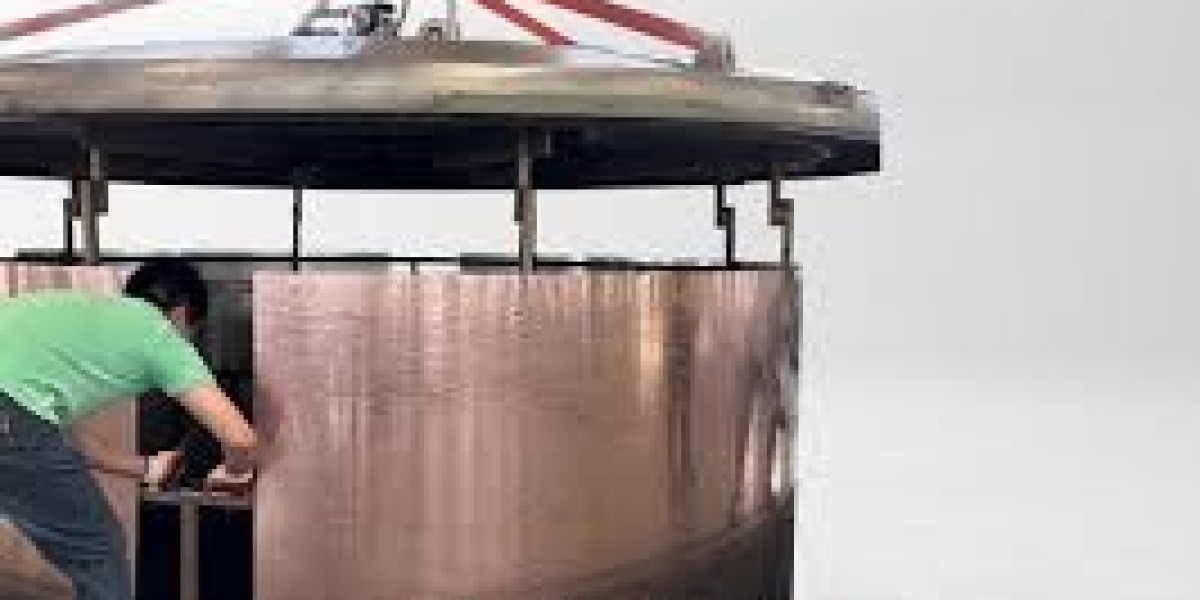
A headlamp reflector has deep curves and hidden corners. A flat coating method leaves some areas bright and others dark. Car manufacturers reject such parts. A PVD headlamp dedicated coating equipment from JBCZN, produced by GOLD BLINGKING INTELLIGENT TECHNOLOGY (ZHE JIANG) CO., LTD., solves this problem with multi axis fixturing. Yet many coating systems still use static racks that create shadows. This situation raises a direct question for any automotive lighting engineer: how does a pvd headlamp dedicated coating equipment achieve uniform aluminum deposition on complex 3d headlamp components?
Planetary rotation fixtures hold the parts during coating. JBCZN's equipment mounts headlamp reflectors on rotating spindles. The spindles revolve around a central sun gear. Each reflector spins on its own axis while orbiting the chamber. This dual motion exposes every surface to the incoming aluminum vapor. A static part would leave the bottom of a deep recess uncoated. The planetary motion brings that recess into the line of sight of the sputtering target. The resulting film thickness varies less across the whole surface.
Multiple sputtering targets positioned around the chamber walls distribute the deposition flux. JBCZN's PVD headlamp dedicated coating equipment uses four or more magnetron cathodes. Each target faces a different angle. A single target located at the bottom of the chamber cannot reach upward facing surfaces. The multiple targets overlap their deposition zones. A point on a complex reflector sees aluminum atoms arriving from several directions. The coverage becomes independent of part orientation. A system with one target creates a directional beam that misses hidden features.
Sputtering pressure controls the mean free path of aluminum atoms. High pressure causes more collisions between atoms. JBCZN's process runs at a specific pressure that balances throw distance and energy. The scattered atoms fly in random directions. This randomness helps them reach behind obstacles. A very low pressure makes atoms travel straight lines. A straight path works for flat parts but fails for 3D components. The factory adjusts pressure to create a gentle cloud of aluminum that wraps around curves.
Target power distribution affects erosion uniformity. A sputtering target wears unevenly over time. JBCZN's equipment uses magnetic arrays that create a racetrack pattern. The plasma concentrates on this track. As the target erodes, the deposition rate changes. The factory monitors target life and adjusts power to each cathode. A worn target deposits less material. The control system compensates by increasing power or by changing the part's rotation speed. A system that ignores target wear produces thicker coatings on one side of the chamber.
Substrate bias voltage attracts ionized aluminum atoms. A neutral aluminum atom travels where it points. JBCZN's PVD headlamp dedicated coating equipment applies a negative bias to the headlamp parts. The bias pulls positively charged aluminum ions toward the surface. The ions follow electric field lines that bend into recesses. A neutral atom that would miss a hidden corner gets guided into it by the bias. The bias also increases the kinetic energy of the arriving atoms. The coating densifies and adheres better to the plastic substrate.
Chamber geometry influences the plasma distribution. A tall, narrow chamber creates a concentrated plasma column. JBCZN's equipment uses a wide chamber with targets arranged around the circumference. The plasma fills the entire volume. A part placed anywhere in the chamber receives similar flux. The factory simulates the plasma distribution using computer modeling. The simulation identifies cold zones where deposition falls. The engineer adds an extra target or changes the magnetic field to correct the imbalance.
Masking protects areas that should remain uncoated. A headlamp reflector needs aluminum on the reflective bowl but not on the mounting tabs. JBCZN's fixturing includes mechanical masks that block the deposition path. The masks shadow the tabs while the bowl rotates into the vapor stream. A simple shadow mask works for flat surfaces. The 3D shape of a headlamp requires custom machined masks that follow the part contour. The factory designs each mask set for the specific headlamp model.
Process validation uses test coupons placed at different chamber positions. JBCZN's quality team attaches small witness samples to the fixture. A sample sits near the top of the chamber. Another sits near the bottom. A third occupies a middle position. After coating, the lab measures film thickness on each coupon. A uniform deposition shows less variation across the samples. The engineer adjusts target power or rotation speed to reduce any measured difference. The validated recipe then runs on production headlamps with confidence.
For any automotive lighting manufacturer seeking flawless reflectors, https://www.jbczn.net/product/ shows JBCZN's PVD headlamp dedicated coating equipment specifications, where GOLD BLINGKING engineers list planetary rotation speeds, target configurations, and bias voltage ranges for uniform 3D deposition. A headlamp with uneven coating ruins the beam pattern. A uniformly coated reflector throws a consistent, safe light down the road. Does your current coating system reach every hidden corner of your headlamp design?