The development of permanent scars following an acne breakout is a complex biological process related to severe tissue damage and the subsequent healing response within the deeper layers of the dermis. When an acne lesion becomes highly inflamed, it causes a localized destruction of the surrounding skin structures, including collagen and elastin fibers. The body attempts to repair this structural wound by initiating a rapid healing cascade that involves the deposition of new collagen. If the body produces too little collagen during this recovery phase, a depression or pit forms, resulting in an atrophic scar. Conversely, if the healing response produces an excess of collagen, a raised or hypertrophic scar develops. Factors such as genetic predisposition, the duration of the inflammation, and physical manipulation of the lesions can significantly influence the extent of scarring, making it essential to evaluate the underlying structural damage before attempting to correct the surface texture.
Differentiating Between Atrophic and Hypertrophic Scar Morphologies
Atrophic scars are the most common presentation resulting from severe acne and are generally categorized into three distinct morphological types based on their depth and width. Ice pick scars are narrow, deep punctures that extend vertically into the deep dermis, making them appear as though the skin was pierced by a sharp instrument. Boxcar scars are round or oval depressions with sharp, well-defined vertical edges, resembling the scars left by chickenpox.
Rolling scars are wider depressions that create an undulating, wave-like appearance on the skin surface due to fibrous bands that pull the overlying epidermis down into the deeper subcutaneous tissues. Hypertrophic scars, on the other hand, present as firm, elevated masses of tissue confined to the borders of the original injury. Correctly identifying these specific structural variations is the critical first step in determining the most effective clinical intervention for a patient.
Advanced Energy Based Devices for Skin Resurfacing
Energy-based devices have revolutionized the management of structural skin irregularities by offering precise control over tissue remodeling and cellular turnover. Ablative lasers work by vaporizing the outermost layers of the skin while heating the underlying dermis, which forces the body to shed damaged tissue and synthesize an entirely new, smoother epidermal layer. Non-ablative lasers leave the skin surface completely intact, delivering targeted thermal energy deep into the dermal layers to stimulate collagen production from within without causing visible peeling.
Fractional laser technology splits the laser beam into thousands of microscopic treatment zones, leaving islands of untreated skin between the micro-wounds to accelerate the healing process and minimize patient downtime. These advanced modalities are highly effective at smoothing out the sharp borders of boxcar scars and encouraging widespread structural remodeling throughout the treated areas.
The Role of Mechanical and Chemical Resurfacing Techniques
Mechanical and chemical resurfacing techniques offer alternative pathways for improving skin topography by removing damaged cellular layers and promoting regeneration. Chemical peels utilize specialized acid solutions, such as glycolic acid, salicylic acid, or trichloroacetic acid, to dissolve the intercellular bonds holding dead skin cells together, promoting rapid exfoliation and cellular turnover.
For deeper punctures, the cross-lip of chemical reconstruction of skin scars technique involves applying high concentrations of trichloroacetic acid directly inside ice pick scars to trigger localized collagen synthesis and close the deep pits. Microneedling, or collagen induction therapy, uses an automated device fitted with fine needles to create thousands of controlled micro-punctures in the skin, breaking up the fibrous tissue bonds of rolling scars and prompting a natural healing response that fills in the depressions over time.
Injectable and Surgical Interventions for Deep Contours
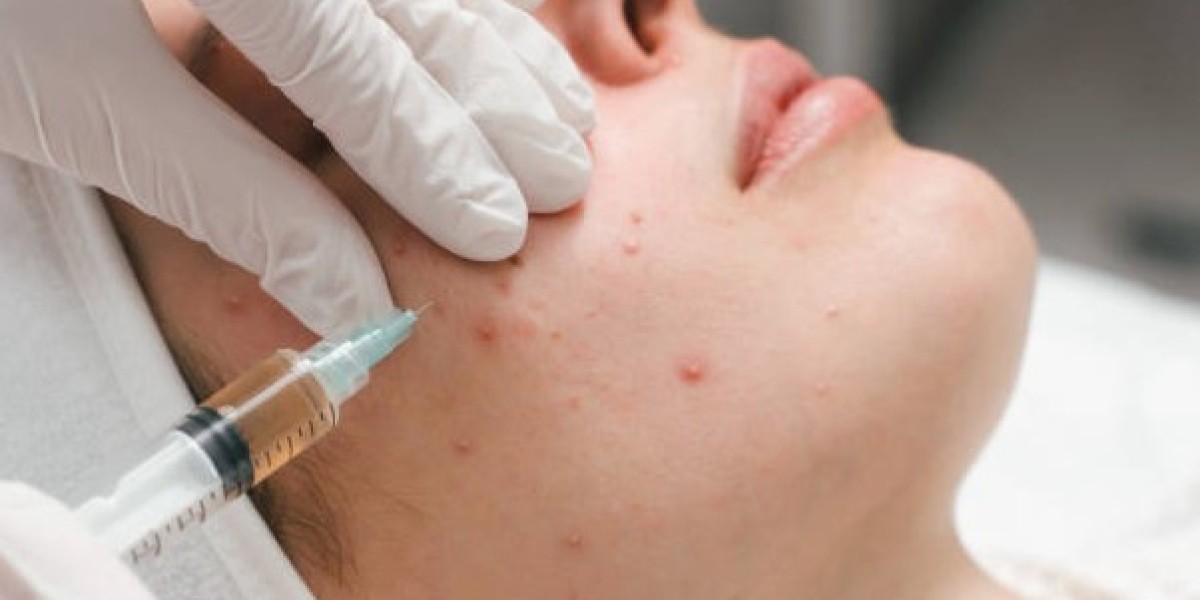
When treating deep, fibrotic, or heavily depressed scars, topical applications and surface resurfacing techniques may not be sufficient to achieve optimal smooth textures. Surgical subcision is a highly effective minor procedural intervention designed specifically to address the bound-down nature of rolling scars. During this process, a specialized needle is inserted beneath the skin surface to physically sever the restrictive fibrous bands that pull the epidermis downward, allowing the skin to lift back into its natural alignment.
Following subcision, or as a standalone therapy, practitioners often utilize dermal fillers or autologous fat transfers to occupy the empty space beneath the depression. This combination approach provides immediate volume to the area, smoothing out the contours while the body slowly generates its own collagen matrix to sustain the long-term structural improvement.
Formulating a Customized Multimodal Approach for Patients
Because most individuals present with a combination of different scar morphologies, relying on a single procedural modality rarely produces satisfactory results. Achieving significant clinical improvement typically requires a customized, multi-tiered approach that addresses the specific depths and shapes of the scars present on the individual face. To determine the best treatment for acne scars and ensure comprehensive tissue remodeling, clinicians frequently combine energy-based laser resurfacing with mechanical microneedling and structural subcision over a series of clinical sessions.
This comprehensive strategy ensures that deep vertical punctures are closed, fibrotic anchor bands are released, and the overall surface texture is polished uniformly, leading to a much more dramatic and balanced improvement in the skin topography than could ever be achieved through an isolated treatment method.
Managing Expected Results and the Healing Timeline
Patients embarking on a scar revision journey must maintain realistic expectations regarding the timeline and the degree of improvement that can be achieved. Eradicating acne scars completely is rarely possible, but a significant reduction in depth and visibility is a highly attainable outcome. The biological process of neocollagenesis, or the generation of new collagen, takes time to manifest, with the structural changes emerging gradually over three to six months following a procedure.
Most treatment protocols require multiple sessions spaced several weeks apart to safely build up the tissue layers without causing hyperpigmentation or thermal damage. Patients must also commit to strict post-treatment care, which includes keeping the skin deeply hydrated, avoiding direct sun exposure, and applying broad-spectrum sunscreen daily to protect the delicate, healing skin cells from ultraviolet damage.
Accessing Elite Clinical Solutions for Comprehensive Skin Restoration
Restoring the structural integrity of skin affected by severe scarring requires an exceptional level of clinical precision, advanced technology, and personalized medical care. The dedicated medical professionals at Cassileth Plastic Surgery and Skin Care focus on delivering sophisticated, evidence-based aesthetic solutions designed to restore smooth contours and boost patient confidence. Situated in Beverly Hills, this state-of-the-art practice is widely recognized for its commitment to patient safety and clinical excellence, utilizing the latest innovations in laser technology, microneedling, and surgical subcision.
The expert practitioners conduct thorough anatomical skin assessments to design highly customized treatment regimens tailored to the specific scar types and skin tones of each individual. Partnering with a specialized and reputable practice ensures that your skin health journey is guided by experienced professionals who prioritize long-term tissue regeneration and optimal cosmetic outcomes.
Conclusion
The successful management of acne scars demands an advanced understanding of dermatological anatomy and a willingness to utilize a combination of complementary clinical treatments. While the structural damage caused by severe acne can be persistent, modern advancements in lasers, chemical reconstruction, microneedling, and subcision offer reliable pathways to significantly smoother and healthier-looking skin.
Achieving the best possible outcome depends on a correct morphological diagnosis, a personalized multi-session treatment plan, and diligent adherence to post-procedure skincare guidelines. By collaborating with a qualified clinical team and maintaining a patient approach to the gradual healing process, individuals can effectively minimize the visual impact of past breakouts and enjoy lasting improvements in their skin texture.