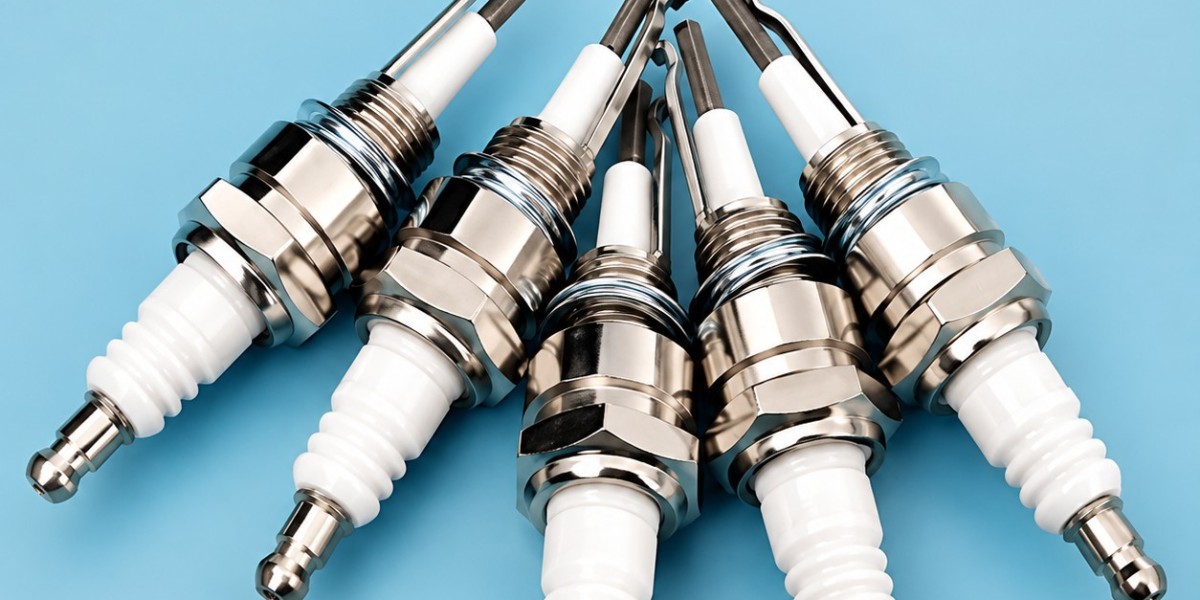
An alumina plug is a specialized ceramic component manufactured from high-purity alumina oxide. It is widely used in industries that require materials capable of withstanding extreme temperatures, corrosion, abrasion, and electrical stress. Due to its excellent mechanical strength and thermal stability, the alumina plug has become an essential component in many industrial processes. Industries such as metallurgy, electronics, chemical processing, and manufacturing rely on alumina plugs to improve efficiency, safety, and operational performance. The combination of durability and reliability makes alumina plugs a preferred choice for demanding environments where conventional materials may fail.
What Is an Alumina Plug?
An alumina plug is a ceramic device primarily made from aluminum oxide, a material known for its exceptional hardness and resistance to wear. These plugs are designed to perform sealing, insulation, protection, and flow-control functions in various industrial systems. Depending on the application, alumina plugs can be manufactured in different shapes, sizes, and purity levels. High-purity alumina provides superior performance in environments where exposure to high temperatures and aggressive chemicals is common. Their ability to maintain structural integrity under harsh conditions makes them highly valuable across numerous industries.
Composition and Material Properties
The effectiveness of an alumina plug comes from its unique material composition. Alumina oxide offers outstanding hardness, high compressive strength, and excellent thermal resistance. It can operate efficiently at temperatures exceeding 1500°C without losing its structural stability. Additionally, alumina is chemically inert, making it resistant to acids, alkalis, and other corrosive substances. Its low electrical conductivity also makes it an excellent insulating material. These properties contribute to the long service life and dependable performance of alumina plugs in critical industrial operations.
Manufacturing Process of Alumina Plug
The production of alumina plugs involves a carefully controlled manufacturing process to ensure precision and quality. High-purity alumina powder is first prepared and mixed with binding agents to create a workable material. The mixture is then shaped using pressing, extrusion, or injection molding techniques. After shaping, the component undergoes sintering at extremely high temperatures to achieve maximum density and strength. Advanced finishing processes such as grinding and polishing are often applied to meet specific dimensional requirements. This manufacturing approach ensures that each alumina plug delivers consistent performance and reliability.
High Temperature Resistance
One of the most important advantages of an alumina plug is its ability to withstand extreme temperatures. Industrial processes such as metal casting, furnace operations, and thermal treatment require materials that can maintain stability under intense heat. Alumina plugs perform exceptionally well in these environments because they resist thermal deformation and retain their mechanical strength even at elevated temperatures. Their high melting point and thermal shock resistance make them suitable for applications where temperature fluctuations are frequent and severe.
Excellent Wear Resistance
Alumina plugs are highly resistant to wear and abrasion, making them ideal for demanding industrial conditions. In environments where components are exposed to friction, particle movement, or continuous mechanical stress, wear resistance is essential for maintaining performance. The hardness of alumina significantly reduces material loss over time, extending the operational life of the component. This characteristic helps industries reduce maintenance costs, minimize downtime, and improve overall productivity by ensuring reliable long-term operation.
Chemical Corrosion Resistance
Industrial environments often expose equipment to aggressive chemicals that can degrade conventional materials. Alumina plugs offer exceptional resistance to chemical corrosion due to their inert nature. They remain stable when exposed to acids, alkalis, solvents, and various corrosive compounds. This resistance ensures that the plug maintains its performance and structural integrity even in challenging chemical processing environments. As a result, alumina plugs are commonly used in laboratories, chemical plants, and manufacturing facilities where corrosion protection is essential.
Electrical Insulation Capabilities
Another significant benefit of an alumina plug is its excellent electrical insulation properties. Alumina ceramics have very low electrical conductivity, allowing them to function effectively in electrical and electronic systems. These plugs are often used to isolate electrical components and prevent unwanted current flow. Their insulating capabilities remain effective even at high temperatures, making them suitable for advanced electrical applications. This combination of thermal resistance and electrical insulation provides a unique advantage over many traditional materials.
Applications in Metallurgical Industries
The metallurgical industry extensively uses alumina plugs in high-temperature operations. They are commonly installed in furnaces, molten metal handling systems, and casting equipment where heat resistance and durability are critical. Alumina plugs help regulate material flow, maintain process efficiency, and protect equipment from thermal damage. Their resistance to molten metals and harsh operating conditions ensures reliable performance throughout the production cycle. This makes them an essential component in modern metallurgical processes.
Applications in Chemical Processing
Chemical processing facilities require materials that can withstand exposure to corrosive substances while maintaining consistent performance. Alumina plugs meet these requirements through their excellent chemical stability and mechanical strength. They are used in reactors, pipelines, valves, and processing equipment where corrosion resistance is crucial. By preventing material degradation and contamination, alumina plugs contribute to safer and more efficient chemical production processes. Their durability helps reduce maintenance requirements and extends equipment lifespan.
Use in Electronics and Electrical Systems
The electronics industry benefits greatly from the insulating properties of alumina plugs. These components are used in electrical assemblies, semiconductor manufacturing, and high-voltage systems where reliable insulation is essential. Alumina plugs provide protection against electrical leakage and help maintain system stability. Their ability to perform under high temperatures further enhances their suitability for advanced electronic applications. As technology continues to evolve, the demand for high-quality alumina components is expected to increase.
Advantages Over Traditional Materials
Compared to metals, plastics, and other conventional materials, alumina plugs offer several distinct advantages. They provide superior heat resistance, wear resistance, chemical stability, and electrical insulation. Unlike metals, they do not corrode easily, and unlike plastics, they can withstand extreme temperatures without deformation. These benefits make alumina plugs a cost-effective solution for industries seeking long-term performance and reliability. Their ability to function in challenging environments often results in lower maintenance costs and improved operational efficiency.
Maintenance and Longevity
One of the key reasons industries choose alumina plugs is their long service life. Their resistance to wear, corrosion, and thermal stress minimizes the need for frequent replacement. Regular inspection and proper handling can further enhance their lifespan and maintain optimal performance. Because alumina plugs retain their structural properties over extended periods, they contribute to reduced downtime and lower maintenance expenses. This durability makes them a valuable investment for industrial operations focused on reliability and productivity.
Environmental Benefits
Alumina plugs also offer environmental advantages due to their durability and efficiency. Their long operational life reduces waste generation by minimizing the frequency of component replacement. Additionally, their ability to improve process efficiency can contribute to lower energy consumption in industrial systems. Because alumina is a stable and non-toxic material, it supports environmentally responsible manufacturing practices. These factors make alumina plugs an attractive option for organizations seeking sustainable industrial solutions.
Future Trends in Alumina Plug Technology
As industrial technologies continue to advance, the demand for high-performance ceramic components is expected to grow. Manufacturers are investing in new production methods and material innovations to enhance the performance of alumina plugs. Improvements in purity levels, manufacturing precision, and design optimization are enabling even greater durability and efficiency. Emerging industries such as renewable energy, advanced electronics, and aerospace are creating new opportunities for alumina plug applications. These developments highlight the ongoing importance of alumina technology in modern industrial systems.
Conclusion
Alumina plugs are highly reliable ceramic components that offer exceptional performance in demanding industrial environments. Their resistance to high temperatures, wear, corrosion, and electrical conductivity makes them suitable for a wide range of applications. Industries such as metallurgy, chemical processing, electronics, and manufacturing depend on alumina plugs to ensure efficient and dependable operations. With continuous advancements in ceramic technology, alumina plugs will remain an essential solution for industries seeking durability, safety, and long-term performance. Their combination of strength, stability, and versatility makes them one of the most valuable ceramic components available today.