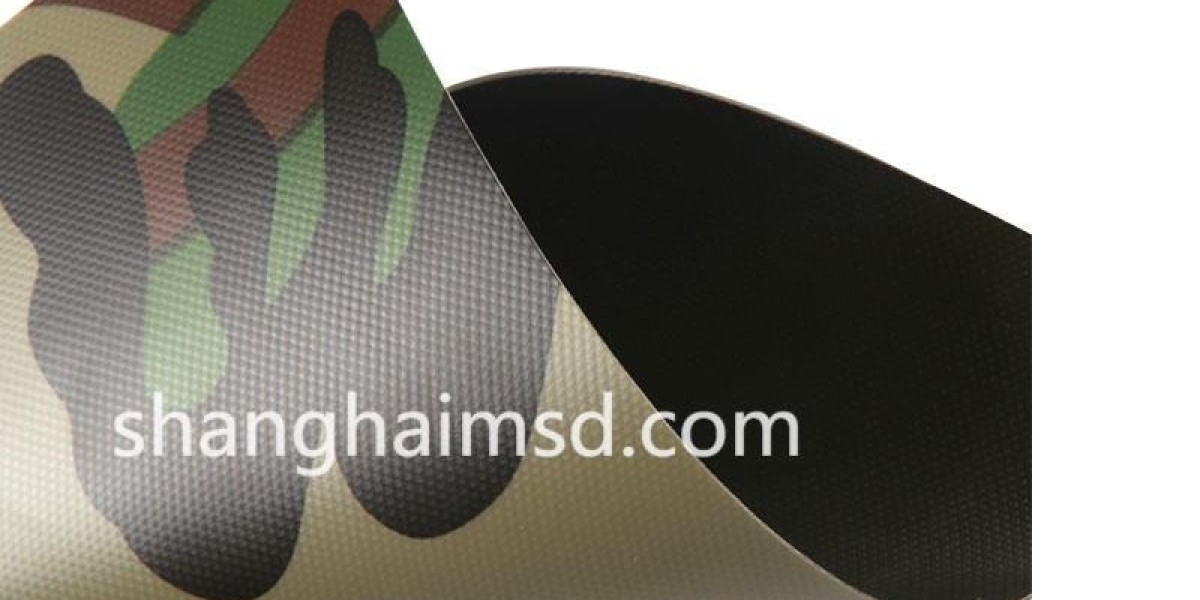
The growing popularity of lightweight, portable, and multifunctional inflatable structures has contributed to increased interest in advanced textile composites such as PVC Inflatable Fabric, a material valued for its stability, reliability, and compatibility with modern processing methods. As industries shift toward products that demand higher levels of safety and mechanical endurance, suppliers like Shanghai MSD International Trade Co., Ltd. continue to refine their manufacturing processes to meet these evolving needs.
PVC-coated textiles used for inflatables are designed through a multilayer construction that merges a woven or knitted reinforcement with flexible PVC coatings. This combination creates a synergistic effect: the textile base provides the tensile backbone, while the PVC layers offer elasticity, abrasion resistance, and weather protection. The result is a durable material capable of maintaining structural integrity under frequent folding, inflation, and handling. Engineers rely on this composite behavior to create products that remain stable across a range of temperatures, pressures, and use environments.
One of the defining characteristics of PVC inflatable textiles is their ability to maintain consistent air retention. The coating process ensures that surfaces remain smooth and airtight, reducing the likelihood of micro-leaks that could compromise performance. Manufacturers often optimize resin formulations to enhance impermeability, especially for large or load-bearing inflatable designs. This high level of air retention is crucial for items such as rescue rafts, inflatable sports platforms, temporary architectural structures, and air-supported safety equipment.
Processing techniques further determine the material’s functional profile. High-frequency welding, for instance, has become the standard method for joining PVC-coated fabrics in inflatable manufacturing due to its ability to create uniform, high-strength seams. These welded bonds often surpass the material’s own tensile capacity, ensuring that seam failures are minimized even under dynamic pressure changes. Heat sealing and radio-frequency methods also allow for precise control of seam width and penetration depth, giving manufacturers greater flexibility in designing complex geometries.
Another essential performance factor is mechanical reinforcement. Inflatable products frequently experience puncture threats from rough terrain, repeated friction, and accidental impacts. To address this, material suppliers customize fabric weaves, thread counts, and coating thicknesses to increase the tear threshold. Thicker PVC layers provide strong surface protection, while tightly woven textile cores distribute force across a larger area. This strategic engineering approach is widely used for inflatable floors, military-grade flotation devices, and industrial spill-containment systems, where failure is not an option.
Environmental resistance also plays a central role in product lifespan. PVC-coated materials demonstrate excellent resilience against UV degradation, ozone exposure, and variable humidity. These properties are especially valuable for outdoor inflatables that undergo continual sun exposure or long-term water contact. UV-resistant additives and stabilizers are integrated into coatings to prevent brittleness and discoloration, supporting longer service life with minimal maintenance. Shanghai MSD frequently adopts such enhanced formulations to meet customer requirements for different climate zones.
As industries expand, specialized versions of PVC inflatable textiles continue to emerge. Cold-resistant grades maintain flexibility under sub-zero temperatures, making them suitable for polar research tents and winter sports equipment. Fire-retardant formulations satisfy building safety codes for inflatable structures used in events or emergency shelters. Chemical-resistant variants withstand oils, fuels, and industrial cleaning agents, supporting use in spill control berms, buoyancy tanks, and inflatable storage systems. Each specialty grade undergoes thorough mechanical and environmental testing to verify compliance and performance.
Surface finish is another engineering variable that manufacturers use strategically. Smooth glossy surfaces are ideal for inflatable advertising structures due to their ability to enhance printed graphics. Matte surfaces reduce glare and improve texture for sports equipment and inflatable stages. Textured coatings add traction to water-sport platforms and dock systems. By adjusting coating viscosity, processing temperature, and calendaring pressure, suppliers deliver finishes that balance aesthetics, usability, and technical requirements.
Weight optimization is an ongoing priority in inflatable product innovation. While heavy-duty grades remain necessary for marine and commercial uses, lighter fabrics have gained popularity in recreational sectors. These lightweight versions use reduced PVC coating mass and more advanced reinforcement weaves to maintain mechanical reliability without sacrificing portability. This optimized design supports faster setup, easier transport, and expanded use in camping gear, promotional displays, and temporary structures.
Behind all material advancements is a growing emphasis on quality assurance. Testing laboratories routinely perform hydrostatic pressure tests, accelerated aging simulations, seam strength evaluations, and colorfastness measurements. These test procedures ensure that materials meet safety standards and maintain reproducible quality across production batches. Consistency is especially important for international suppliers, and Shanghai MSD prioritizes strict inspection processes to align with global regulatory expectations.
With its strong performance, versatile processing options, and adaptability to specialized industry needs, PVC-coated inflatable textile technology continues to drive innovation across multiple sectors. To learn more about material applications and emerging developments, you can visit https://www.shanghaimsd.com/news/industry-news/pvc-inflatable-boat-fabric-the-core-material-that-make-inflatable-boats-stronger.html .