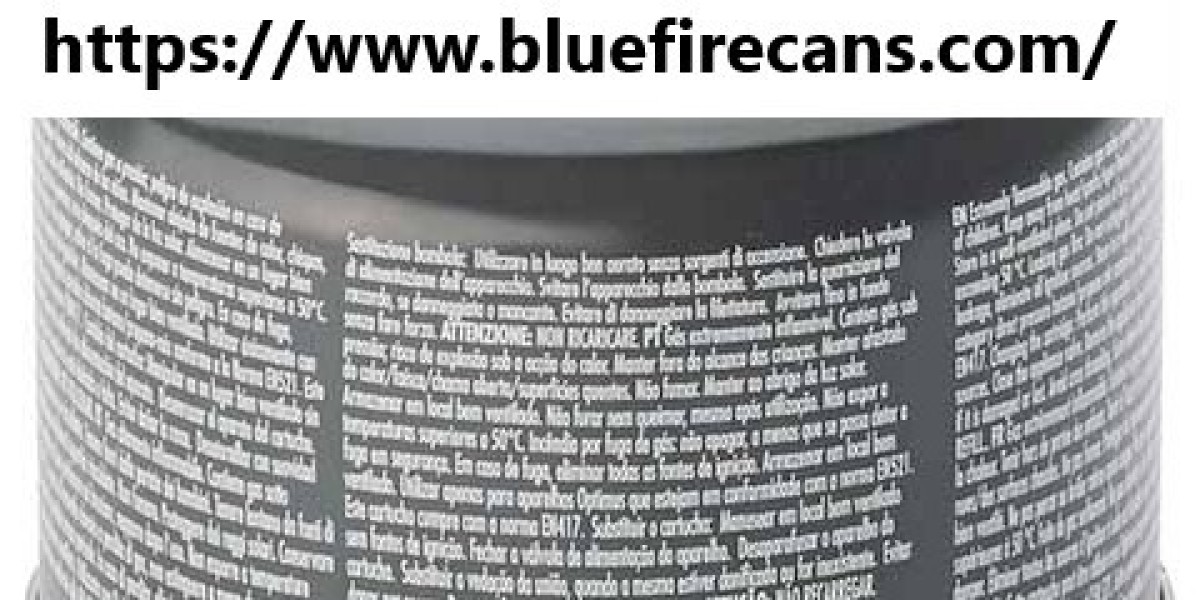
When a weekend trip ends you may be left wondering what to do with a 100g Gas Cartridge that is not completely empty. That small cylinder contains pressurised fuel and the choices you make next affect safety transport and compliance. Handling a partially used cartridge responsibly protects people and property and reduces the chance that a minor oversight becomes a costly incident.
First, treat the cylinder as live. Never puncture incinerate or crush a cartridge. Those actions risk sudden release or ignition of remaining fuel. Keep the valve cap in place and store the unit upright in a cool dry area away from direct heat and from electrical equipment. Labels and tactile checks are practical: if the valve feels loose or if you hear a faint hiss place the item in a ventilated safe location and avoid confined storage until you can act.
If you can do so safely on site consider using the remaining fuel. For many users the simplest option is to run a compatible stove or lantern outdoors and consume the rest of the cartridge under controlled conditions. This is particularly useful when a short flame or simmer is acceptable and when weather and local rules permit outdoor use. Doing this prevents transport of a partly full cylinder while avoiding complicated disposal steps.
When on site use straightforward checks. Fit the cartridge to the intended appliance per the manufacturer instructions confirm a secure connection and perform the operation on a stable non flammable surface. Monitor the device while the cartridge is in use and do not leave it unattended. Once the cartridge is empty follow the usual emptying step described on the packaging or by the retailer before placing it in the correct recycling or collection stream.
If you cannot use the remaining fuel safely then seek a return or takeback pathway. Many retailers service centres and municipal programmes accept partially full units under specific conditions. Contact the retailer or the place of purchase and describe the cartridge condition and the quantity remaining. Where takeback is available staff can advise whether to leave the cartridge sealed in original packaging or to place it in a separate containment for transport to a facility prepared to handle pressurised goods.
Regulatory frameworks vary by region and they affect what is permissible during transport and collection. Some carriers and waste managers require that pressurised containers be labelled and segregated from household waste. Others have dedicated drop off days for hazardous or universal waste. When in doubt call your local waste authority or a qualified retailer for guidance so you avoid placing your cartridge in a general recycling bin where it could create hazards for sorting staff.
For retailers and event organisers there are operational practices that reduce the number of partially used cylinders in circulation. Encourage customers to consume fuel at point of use to completion and offer visible guidance near checkouts about safe emptying steps. Where feasible provide small bins or collection points that are clearly marked for pressurised containers and partner with a licensed waste contractor to move accumulated units to appropriate processing centres.
Transporting a partially full cartridge requires caution. Secure the cylinder upright in a ventilated area of the vehicle away from seating and heat sources. Avoid placing cartridges in closed trunks during hot weather. Use original packaging or a rigid container to prevent rolling and to protect the valve from impact. If a cartridge shows signs of damage leaks or significant denting do not transport it yourself; contact the supplier or a hazardous materials handler for advice about safe collection.
For businesses handling returns or exchanges build simple acceptance criteria. Inspect incoming units for intact caps and for obvious damage document the condition and segregate suspect cylinders for specialist handling. Maintain a short log of collected returns and coordinate with a licensed recycler or hazardous waste handler for periodic removal. Clear processes reduce liability and protect staff who may otherwise handle suspect units without training.
When a canister is accepted for disposal or recycling follow recommended emptying and handling procedures. Some recovery centres ask that valve actuation is performed outdoors to ensure the cylinder is as empty as practical. Others prefer sealed returns to avoid on site release. Ask the processor which method they prefer and include that instruction on retail point of sale materials so customers act consistently.
Consider manufacturer support options. Some suppliers offer takeback programs or partner with distributors to handle partially filled returns. When a brand provides clear guidance on how to return or how to safely deplete a cartridge that transparency reduces confusion at retail and in consumer settings. Procurement teams should ask suppliers about available return programmes and about documentation to support compliant handling.
Training and signage make a tangible difference. Simple visuals that demonstrate how to check for leaks how to secure a cartridge and where to leave returns reduce errors. Staff who regularly interact with customers should be trained to recognise an unsafe cylinder and to escalate to a trained colleague or to the supplier contact if doubt exists. That human layer of care prevents many small incidents from escalating.
Finally treat safety as the primary consideration. Convenience often tempts people to tuck a partly used cartridge into a backpack or a drawer but that increases the chance of exposure to heat or to rough handling. A modest effort to store secure to consume or to return a cartridge reduces collective risk and supports safer outdoor activities and in store operations. If you are assessing product options or planning a takeback flow for retail consider supplier guidance, sample acceptance checks and clear consumer facing instructions. For product options valve compatibility and packaging details visit https://www.bluefirecans.com/product/ .