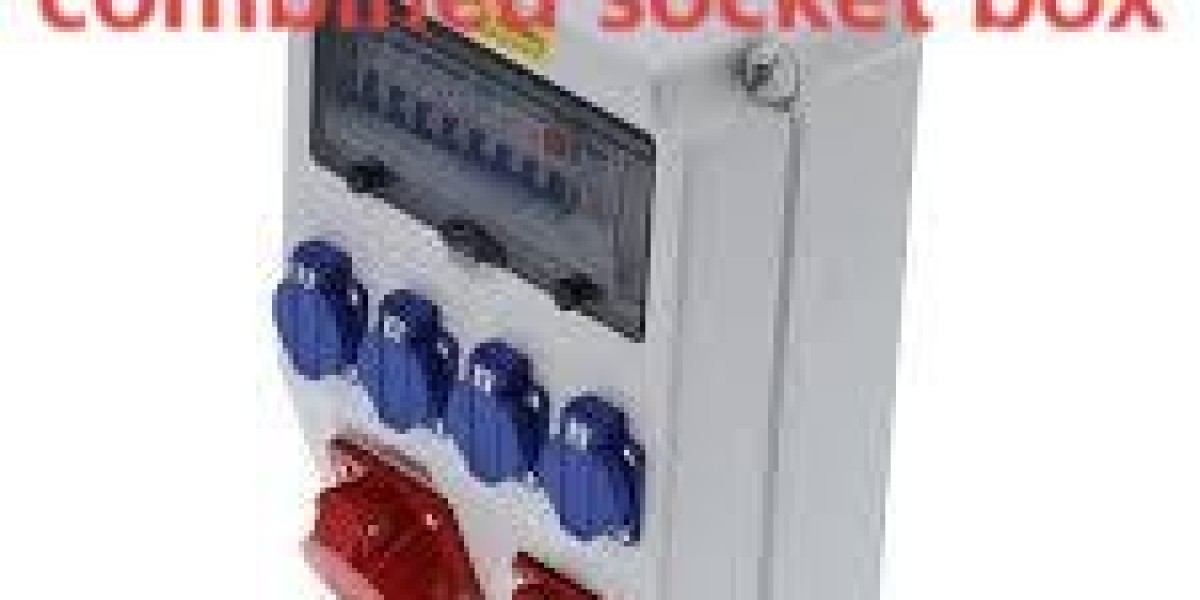
Specifying the right power enclosure early saves retrofit cost and improves safety: a well-designed industrial socket box placed thoughtfully during layout planning streamlines wiring, protects terminations, and reduces maintenance downtime for operators. This article explores practical design features—materials, modular internals, thermal control, accessory ecosystems, and lifecycle planning—that help engineering teams choose an enclosure that performs reliably across harsh industrial, commercial, and outdoor applications.
Materials and Protective Finishes
Durability begins with material choice. For coastal, chemical, or high-moisture environments, corrosion-grade stainless steel or specially coated aluminum dramatically extend service life compared with untreated metals. In indoor or weight-sensitive installations, fiber-reinforced thermoplastics offer impact resistance with lighter mass. Specify UV-stable polymers for sun-exposed sites to avoid brittleness. Finish selection matters too: powder coats with epoxy primers or fluoropolymer topcoats provide stronger chemical resistance and easier cleaning than simple paints. Fasteners should be stainless or plated to the same corrosion rating as the housing to avoid differential corrosion that undermines seals over time.
Modular Interiors and Quick-Change Inserts
A future-ready enclosure supports rapid on-site changes. Removable mounting plates, snap-in DIN-rail sections, and plug-in terminal carriers let technicians swap breakers, meters, or control modules without cutting new knockouts. Quick-change contact inserts and pre-wired harnesses reduce energized work, improving safety and lowering labor hours. Standardizing interior modules across a site simplifies spares inventory—one spare insert can service multiple panel types—so repairs are swifter and stock levels stay manageable. Consider color-coded internal guides and silk-screened wiring maps inside the door to speed troubleshooting and handover.
Thermal and Environmental Controls
Heat is a frequent cause of early component failure. Combine passive measures—reflective exterior finishes, internal heat-spreading plates, and placement in shaded locations—with targeted active cooling for dense loads: filtered fans, heat exchangers, or phase-change heat sinks as needed. For enclosures in noisy environments, include acoustic padding where sensible to lower vibration transmission and protect sensitive electronics. Pressure-equalizing vents prevent seal extrusion at altitude or during temperature swings while avoiding water ingress. For freeze-prone sites, thermostatically controlled low-wattage heaters keep condensation at bay without excessive energy use.
Nante Accessory Kits And Field Adaptation
Using matched accessory kits preserves rated performance and simplifies procurement. Manufacturer-approved options—gland plates, hooded covers, pole and pedestal mounts, tamper-proof locks, and drainage bosses—adapt a single enclosure family to many site conditions without voiding IP/IK ratings. Pre-engineered retrofit frames and adapter plates let contractors reuse existing conduit paths while improving sealing and service access. Standard accessory families reduce training friction for maintenance crews and ensure that replacement parts remain compatible across product generations.
Maintenance, Diagnostics, And Lifecycle Planning
Designing for maintainability reduces total-cost-of-ownership. Tool-free access panels, captive fasteners, and replaceable gasket modules shorten routine service time. Integrate simple diagnostics—temperature probes at major terminations, humidity sensors, and fused-channel current monitoring—to provide early warnings that prevent failures. Establish a preventive schedule that includes gasket compression checks, annual torque verification on connections, and thermal scans during scheduled outages. Maintain a prioritized spares kit on-site: gaskets, dust caps, common fuses, and a modular terminal carrier can restore service quickly and avoid extended outages.
Installation Best Practices And Site Considerations
Proper installation preserves rated protection. Use flat, reinforced mounting surfaces to avoid enclosure deformation that weakens seals. Where dissimilar metals meet, insert non-conductive spacers to prevent galvanic corrosion. Apply specified torque to captive fasteners and use corrosion inhibitors on exposed threads in coastal or chemical environments. Plan cord routing and outlet heights with ergonomics in mind to reduce cable strain and trip hazards. For temporary power or event sites, choose mounting systems that enable quick installation and removal without compromising ingress protection.
Security, Storm Resilience, And Recovery
For public or remote installations, include padlockable doors, tamper-proof fasteners, and keyed access to deter vandalism. In flood- or storm-prone locations, raise critical components, add positive drainage, and supply removable covers so crews can restore service quickly after weather events. These modest investments shorten recovery time and protect mission-critical circuits.
Conclusion: Prioritize Flexibility, Serviceability, And Protection
A practical enclosure strategy balances rugged materials, modular internals, thermal management, and a sensible spares approach. Prioritizing service-friendly features and approved accessory ecosystems lowers maintenance time and lifecycle cost while improving uptime and safety across demanding installations. For product specifications, accessory options, and ordering information, visitwww.nante.com