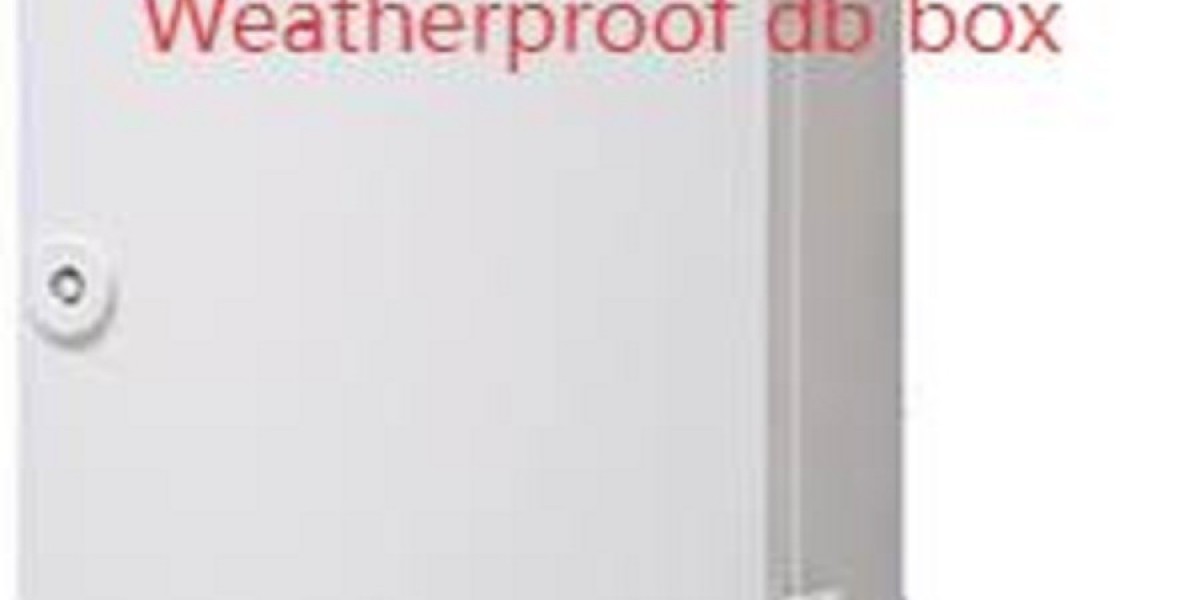
Outdoor electrical systems demand thoughtful engineering. In many installations, a properly specified Weatherproof db box sits at the center of reliability strategies, providing a first line of defense against rain, dust, and surface contamination while enabling safe access for maintenance. Designers who prioritize longevity often evaluate how features such as gasket geometry, drainage channels, and mounting orientation influence long-term performance of a Weatherproof db box, and they choose enclosures that address both environmental exposure and operational convenience.
Advanced Seal and Gasket Technologies
Modern enclosures use multi-lip gaskets, compression flanges, and captive fasteners to maintain a durable barrier against water and particulate ingress. Sealing systems now include engineered grooves that channel moisture away from door seams and prevent puddling at hinge points. For installations with frequent thermal cycling, elastomeric materials with memory — materials that return to shape after compression — preserve long-term sealing effectiveness. Designers should ask for gasket test data that demonstrate sustained compression set resistance and UV stability.
Thermal Control Without Compromising Protection
Keeping electronics within safe temperature ranges is critical. Passive strategies — reflective finishes, thermal breaks, and convection-promoting internal layouts — often suffice for low-power control hardware. Where heat loads are significant, thermostatically controlled vents or filtered fans maintain desired temperatures while preserving ingress protection. For battery-powered or telecom nodes, phase-change materials and internal heat spreaders can reduce peak temperatures without penetrating the enclosure with additional openings.
Electromagnetic and Corrosion Considerations
Outdoor enclosures increasingly play double duty as EMI shields and corrosion-resistant housings. Metallic shells with conductive gaskets provide effective attenuation for sensitive instrumentation, while powder-coat systems and marine-grade alloys resist salt-spray and urban pollutants. For coastal sites, specify stainless fasteners and sacrificial anodes where appropriate. Combining corrosion-resistant finishes with internal grounding strategies reduces both electrical interference and maintenance cycles.
Security, Access, and Field Serviceability
Balancing accessibility with intrusion resistance is essential. Tamper-evident fasteners, recessed locking mechanisms, and internal lockable barriers deter unauthorized entry while preserving service access for trained personnel. Modular internal panels and detachable mounting plates let technicians perform component swaps without disturbing existing wiring layouts. Field-replaceable hinge pins and captive screws reduce the likelihood of dropped hardware and speed routine servicing.
Sustainability, Lifecycle Planning, and Retrofit Options
Specifying an enclosure for a ten- to twenty-year service life reduces waste and long-term cost. Consider the end-of-life recyclability of polymers and metals, and ask suppliers about take-back or refurbishment programs. For systems that evolve, choose enclosures that accept retrofit kits for surge protection, remote telemetry, or new cable-entry patterns. Retrofit-friendly designs avoid full replacement when equipment upgrades are needed, delivering environmental and fiscal benefits.
Smart Features and Remote Monitoring Trends
The integration of smart sensors inside sealed enclosures is becoming common. Compact humidity, temperature, and door-closure sensors provide early warnings for seal failures or thermal excursions. When paired with low-power telemetry, these sensors enable predictive maintenance and reduce unnecessary site visits. Select enclosures with internal mounting points and wiring paths that simplify sensor installation and ensure electromagnetic compatibility for wireless modules.
Site-Specific Selection: From Urban Streets to Remote Sites
One-size-fits-all rarely applies outdoors. Urban installations may require low-profile aesthetics and vandal-resistant hardware, while remote industrial sites demand rugged corrosion protection and simplified maintenance. For roadside cabinets, consider reflective or anti-graffiti coatings to preserve appearance. In high-dust environments, designers often specify pre-filters and positive-pressure systems to keep fine particulates from accumulating on electronics.
Practical Checklist for Specifiers and Installers
Before approving a design, verify ingress (IP) and impact (IK) ratings, request corrosion-test results where relevant, confirm thermal management strategy, and validate field-upgrade paths. Check mounting detail compatibility with existing structures and confirm that cable-entry accessories meet the same environmental and mechanical standards as the enclosure itself. Document the maintenance schedule and ensure spare-part availability for common wear items like seals and hinges.
Choosing the right outdoor enclosure requires a holistic approach that blends material science, thermal engineering, security, and lifecycle thinking. By prioritizing thoughtful gasket design, appropriate thermal control, and serviceable internal layouts, project teams can deliver resilient systems that reduce downtime and ownership costs. For model options and technical assistance, visitwww.nante.com