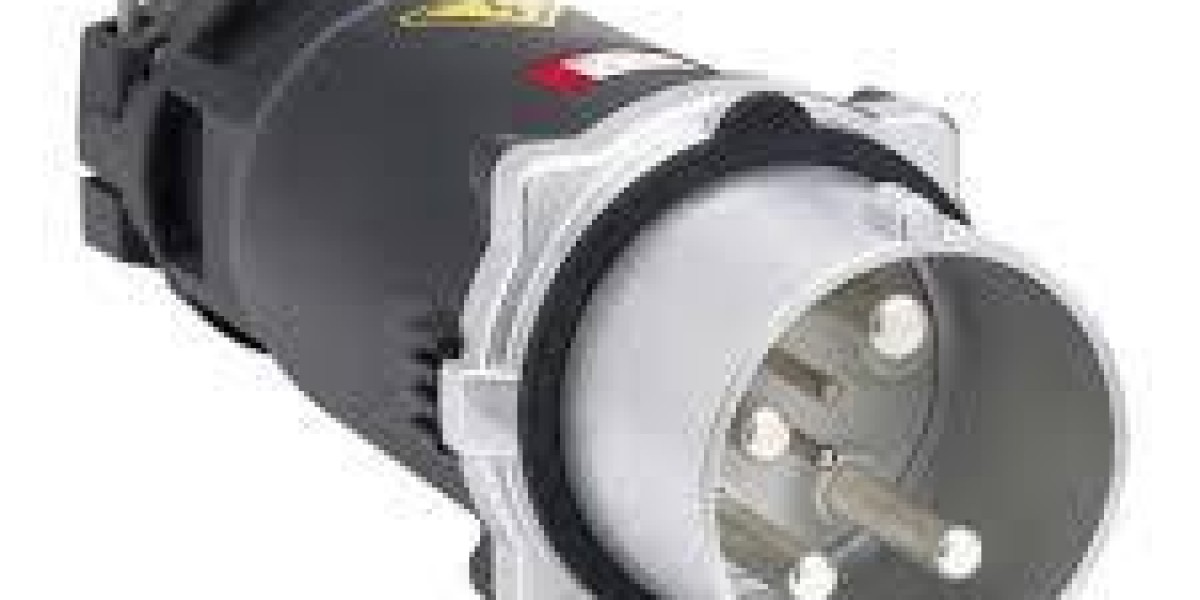
Reliable power distribution on industrial sites starts with the connection. In many field deployments technicians choose a proven Industrial Plug to guarantee secure mating under load, and plant engineers often specify a robust Industrial Plug when they require clear ratings, mechanical locking and simple on-site servicing. This article outlines practical selection criteria, installation practices, and lifecycle strategies that keep connectors functioning safely and predictably across demanding applications.
Mechanical Design, Materials and Contact Chemistry
A connector’s housing and contact system determine how well it withstands shock, vibration and corrosive atmospheres. Metal housings—stainless steel or die-cast aluminum—offer superior mechanical strength and heat dissipation, while reinforced engineering polymers provide excellent chemical resistance and lower weight. Contacts are typically copper alloys plated with silver or nickel; silver reduces contact resistance and improves conductivity at high currents, whereas nickel offers longer-term corrosion protection. Pay attention to strain-relief design and locking mechanisms (bayonet, threaded collars, or cam locks) that keep the connection secure during repeated use.
Ratings, Coding and Standards Compliance
Match the connector to the electrical system by checking amperage, voltage, pole configuration, and duty cycle. Many plug systems use industry-standard coding to avoid mismating between incompatible voltages and frequencies—an essential safety feature in multi-voltage facilities. Verify thermal-rise data at rated current, short-circuit withstand, and any relevant third-party certifications. Where installations may face arc-risk or high fault energy, choose components designed for safe interruption and adherence to applicable national and international standards.
Environmental Protection and Thermal Management
Outdoor sites, washdown environments and dust-prone plants demand connectors with appropriate ingress protection. IP66 and IP67 ratings are common choices for splash and temporary immersion resistance; higher protection or additional sealing may be required for submerged or pressurized cleanings. Consider thermal behavior too: poor ventilation or close-packed mounting can raise operating temperatures, accelerating aging. Components such as heat-shedding housings, ventilated mounting panels, and thermally-rated gaskets help manage temperature while preserving sealing.
Nante Innovations And Smart Integration
Modern connectors increasingly support modularity and condition monitoring. Some manufacturers offer removable contact inserts for quick field replacement, integrated phase marking for faster commissioning, and accessory kits for lockouts or protective covers. Smart-enabled sockets that include temperature sensors, load monitoring, or connection-status indicators allow predictive maintenance and reduce unexpected failures. When evaluating suppliers, consider the availability of replacement parts, aftermarket accessories, and documentation that simplifies integration into asset-management systems.
Best Practices For Installation, Inspection And Maintenance
Even the best connector will underperform if installed incorrectly. Use proper cable preparation and torque values, secure strain reliefs, and confirm that seals seat correctly. Establish inspection intervals to check for contact discoloration, gasket brittleness, or loosened fasteners—early detection prevents costly downtime. Train technicians to recognize symptoms of impending failure: elevated contact temperatures, arcing smells, or intermittent connections. Keep a small stock of common spare inserts, seals, and glands so minor repairs can be completed on-site.
Application Examples And Lifecycle Considerations
Industrial plugs serve many roles—temporary power at construction sites, quick-disconnects for rental equipment, and permanent feeds for pumps, cranes, and mobile machinery. For rental fleets, prioritize connectors with replaceable inserts and low-cost service parts. For permanent installations, emphasize long-term corrosion resistance, secure locking, and compliance documentation. Lifecycle cost analysis should include expected mating cycles, maintenance frequency, and the availability of spares; investing slightly more at procurement often reduces total ownership costs.
Selecting the right connector is a balance of electrical performance, mechanical resilience and maintainability. By specifying appropriate materials and plating, choosing correct ratings and IP protection, and implementing disciplined installation and inspection regimes, owners dramatically reduce the chance of unexpected outages and safety incidents. Thoughtful procurement—favoring modular, serviceable designs and documented parts availability—makes repairs faster and less expensive over time. For deeper technical guidance, industry context and product resources, visithttps://www.nante.com/news/industry-news/what-is-industrial-plug.html