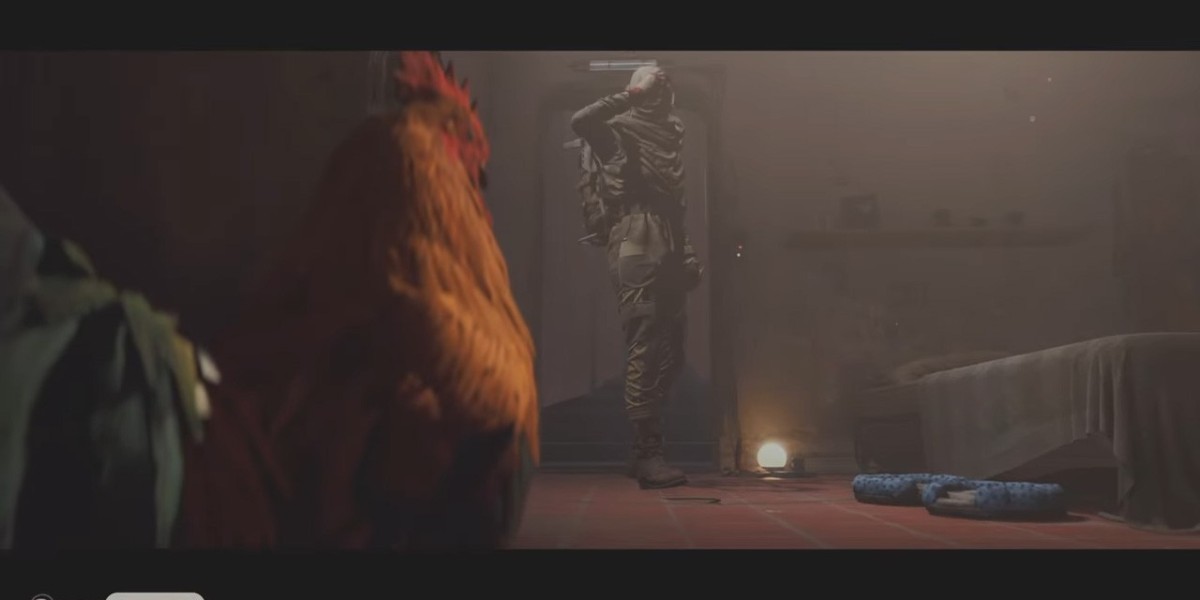
Arc Raiders has entered what can be seen as its second season—transitioning from the launch period and Expedition 1 into the ongoing Expedition 2 window. Post-launch, the game continues to evolve as Embark Studios refines its systems, particularly Expeditions and voluntary resets. Recent developer insights have shed light on lessons learned from the first season and the direction moving forward. New expedition requirements in ARC Raiders include collecting specific items like frequency modulation boxes and ion sputters, which will be crucial for completing the objectives.
Expedition Structure and Requirements
Currently, two major projects are available: one event tied to “Cold Snap,” and another ongoing Expedition project. The required items to progress change between expeditions—components such as cooling fans, sensors, or magnetic accelerators vary based on a player’s progress. Expedition 2 will remain active for roughly 40 days, with an additional grace period before final commitment to a reset.
These expeditions function as long-term collection challenges. Players gather materials, complete missions, and contribute both resources and in-game currency toward shared goals. Rewards include XP boosts, repair buffs, scrap bonuses, cosmetic skins, and, most notably, five additional skill points. However, these skill points require a massive investment—5 million credits shared between a player’s stash and coinbank—leading to some frustration among the community.
Embark’s Response to Expedition 1 Feedback
In an interview with PCGamesN, Arc Raiders design director Virgil Watkins acknowledged player concerns regarding Expedition 1. He explained that the high 5 million-credit requirement for earning skill points was established late in the season to reflect the actual player economy, rather than pre-calculating early. The intention was to make it an “aspirational goal,” but for many players, it became an unexpected grind.
Embark recognized that focusing purely on credit collection was not an engaging gameplay loop and discouraged players from using their equipment toward the end of the cycle. The studio plans to revise this system to make progression more rewarding and less monotonous. Key improvements will focus on earlier communication and better balance in future Expedition thresholds.
Lessons Learned from Poor Communication
While the credit goal itself was achievable, the timing of its announcement created unnecessary pressure. The final requirements were shared only 11 days before the Expedition window opened, leaving casual players scrambling to earn 5 million credits. Many players felt overwhelmed due to limited preparation time. Developers have since acknowledged that earlier communication—at least a month in advance—would allow players to pace themselves comfortably over the season.
Potential Changes for Future Expeditions
Embark has suggested that future expeditions may shift away from purely monetary goals. Possible revisions include objectives based on enemy kills (such as Bastions, Leapers, Bombarders, or Matriarchs), quest completions, or time played. These new mechanics could diversify progression, making expeditions more interactive and achievement-based rather than dependent on grinding for currency.
Improving Rewards and Incentives
The studio is also studying player data to understand different playstyles, particularly those who progress slowly or continue working through Expedition 1. One ongoing goal is to introduce more variety while ensuring no players feel left behind. Core rewards—XP boosts, repair buffs, and scrap bonuses—are expected to continue stacking across expeditions, rewarding player persistence over time.
However, cosmetic rewards have received mixed reception. The first Expedition’s skin did not stand out visually and failed to encourage widespread use. Adding unique “prestige-style” skins or cosmetics tied to specific Expedition milestones could increase motivation. Likewise, repeating quests with identical rewards offers little incentive; distinctive rewards for each new expedition would keep the experience fresh.
Proposal: Shared Knowledge and Blueprint Retention
A concept gaining traction among players is the idea of “shared knowledge.” When a player’s raider departs on an expedition, they might leave behind valuable experience or blueprints for the next generation. This idea could manifest as allowing players to keep one or two blueprints between expeditions—a balanced way to preserve progress without undermining the reset system.
Under such a system, players might retain a rare blueprint from a previous season but would still need to gather materials and upgrade workstations before crafting the item again. This preserves both fairness and long-term incentive while respecting the game’s lore about passing knowledge between raiders.
The Road Ahead
Embark Studios has made it clear that the first Expedition was not a failure but a starting point for improvement. By embracing transparency, revising reward structures, and designing more dynamic goals, the team aims to make future Expeditions both challenging and engaging. Players now await the reveal of Arc Raiders’ 2026 roadmap, which may outline these upcoming changes and set the tone for future seasons.
The message is clear: Embark understands what went wrong, and the community can expect a better-balanced, better-communicated, and more rewarding Arc Raiders experience moving forward.