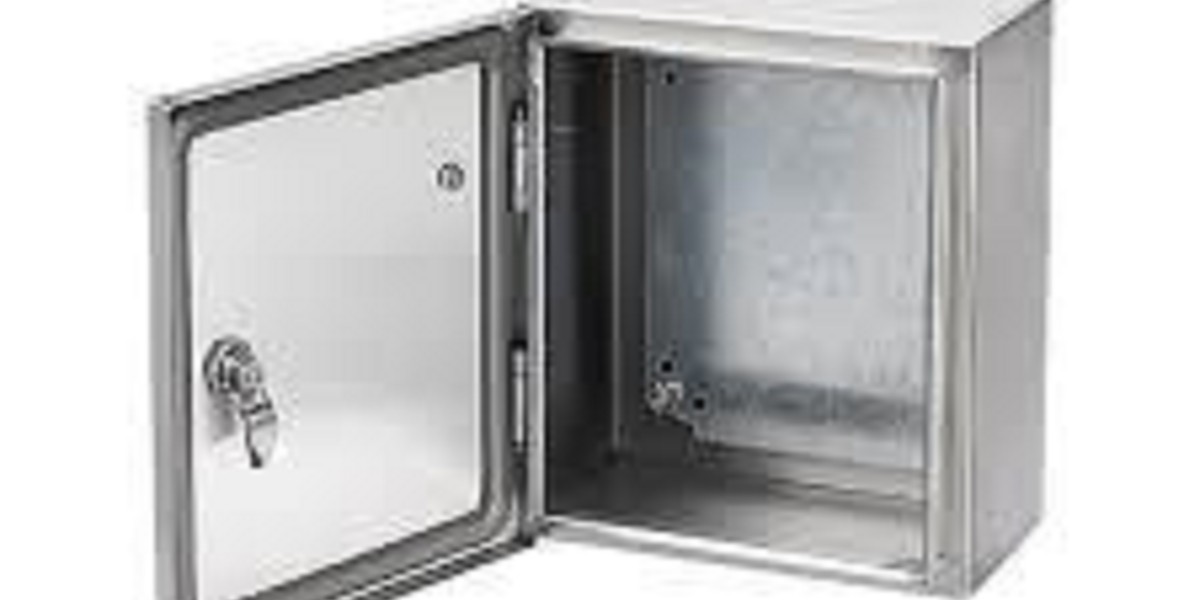
In outdoor projects, choosing the correct enclosure can prevent countless headaches — a thoughtfully selected Weatherproof db box placed with attention to orientation and cable routing can protect sensitive electronics from moisture, dust, and thermal stress while simplifying future maintenance. Designers and technicians who plan for sealing, ventilation, and serviceability up front spend far less time troubleshooting failures later, and an enclosure chosen to match site conditions pays dividends in uptime and reduced repair costs.
Why robust enclosures matter
Equipment exposed to the elements faces a combination of hazards: driving rain, airborne grit, UV radiation, temperature swings, and the occasional impact. These stressors accelerate corrosion, degrade insulation, and increase the risk of short circuits and component failures. A competent enclosure isolates these threats, creating a controlled micro-environment that preserves electronics performance. For critical systems — from communications cabinets to control panels — the enclosure is the first line of defense and should be treated as a core system component rather than an afterthought.
Materials, coatings, and mechanical design
Material choice governs the mechanical and chemical resilience of an enclosure. Thermoplastics offer excellent corrosion resistance and are lightweight; aluminum provides structural stiffness and good heat conduction; stainless steel is the choice where chemical or salt exposure is severe. Coatings and finishes extend life: UV-stable paints prevent surface degradation, and sacrificial coatings can protect fasteners and mounting interfaces. Mechanical details like continuous hinges, captive fasteners, and raised mounting bosses reduce service damage and make routine work faster and safer.
Sealing, cable entries, and drainage techniques
Sealing an enclosure effectively is more than a gasket — it’s a system. Use cable glands rated to the enclosure’s protection level, and apply strain relief to all penetrations so cables do not pull on seals. Orient knockouts and entries so that gravity assists drainage rather than working against it; sloped tops and drip edges keep water away from door seams. Where condensation is a risk, consider integrating desiccant packs or breathable vents designed to maintain protection while allowing moisture exchange. Properly planned cable management reduces the chance of inadvertent seal compromise during maintenance.
Thermal management and component reliability
Thermal issues are often overlooked until failures start occurring. Passive solutions — such as heat-conductive backplates, ventilation channels that do not compromise ingress protection, and reflective external finishes — can significantly lower interior temperatures. For high-power installations, filtered fans, heat exchangers, or thermostatically controlled ventilation may be necessary. Sensors that monitor internal temperature and trigger alarms or cooling actions can be a prudent addition where overheating could cause data loss or equipment damage.
Installation practices that minimize risk
Correct installation extends an enclosure’s effective life. Securely fasten the unit to a stable, vibration-free surface and allow space for cable bending radii and technician access. Use stainless or corrosion-resistant fixings where appropriate and verify that mounting locations do not trap moisture. During commissioning, test seals visually and with simple ingress checks; document the installed configuration and photograph the site for future reference. Early detection of a compromised seal or misrouted cable prevents expensive emergency repairs.
Inspection, maintenance, and spare parts planning
Scheduled inspections prevent the deterioration that leads to unexpected outages. Check gaskets for hardness or deformation, ensure fasteners remain captive and corrosion-free, and clear drains or vents of debris. Replace consumables like desiccants and gaskets on a predictable schedule rather than waiting for failure. Maintain a small kit of spares — screws, gaskets, and common glands — to enable timely repairs in remote locations. A straightforward maintenance log with dates and observations helps trend minor changes before they become major problems.
Accessory choices and retrofit options
Accessories transform a basic enclosure into a specialized solution. Filtered vents, EMI/RFI shields, internal shields, DIN-rail mounts, and prewired terminal blocks reduce on-site labor and improve reliability. When upgrading systems, retrofit-friendly interiors allow new equipment to be installed without replacing the entire enclosure. Modular designs and factory-configured panels reduce installation time and lower the likelihood of field wiring errors.
Choosing the proper outdoor enclosure requires balancing protection, thermal performance, and maintainability with project budget and timeline. By specifying the right materials, planning sensible cable and drainage strategies, and committing to scheduled maintenance, teams can drastically reduce lifecycle costs and keep outdoor systems performing reliably for years. For product specifications and compatible accessories to support your project, visit https://www.nante.com/product/