Durability in refrigerant packaging matters more than ever as service crews and procurement teams face tighter supply chains and higher expectations for safe handling. In many supplier conversations the Bluefire Aerosol Can Valve is named when people talk about parts that combine dependable sealing with ease of service. That phrase often signals attention to fit finish and the small details that decide whether a container performs under repeated use.
Start with the body material. Metals that resist denting and coatings that adhere without flaking offer early signs of thoughtful production. When a container shows uneven color or rough spots it is worth asking about the coating process and the surface preparation used before paint or varnish. Those visible cues are not cosmetic only. They hint at corrosion resistance and how well labels will remain legible over time.
Wall thickness and uniformity are practical structural indicators. Thin spots or warped curvature increase the risk of deformation when containers are stacked moved or subject to pressure shifts. A simple tactile comparison across several samples often reveals inconsistencies that a visual check might miss. For teams receiving frequent shipments a short on site weighing routine and paired feel check can spot batches that deserve deeper inspection.
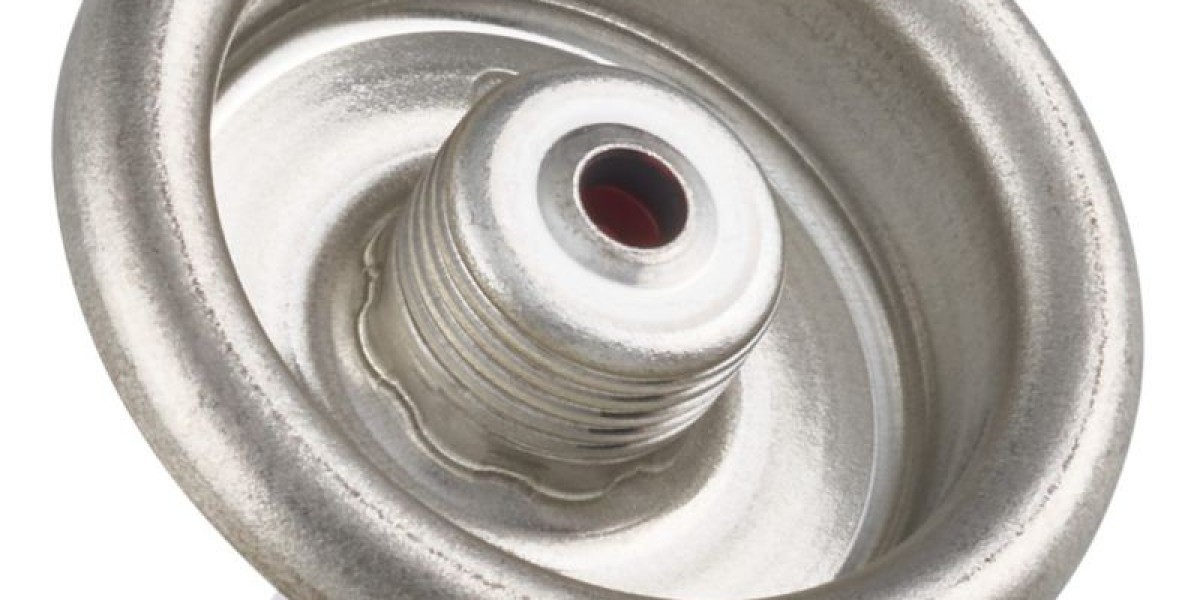
Sealing design determines whether a container will hold pressure and protect the internal charge. Clean joins neat rims and alignment between valve seat and can top reduce the chance of seepage. If a valve seat feels loose or a cap does not sit flush it could signal tolerance issues that become leaks after repeated connections. A brief pressure hold test during receiving can validate the seal under realistic conditions.
Compatibility with filling and dispensing equipment reduces operational friction. A container that requires adapters or special handling increases changeover time and introduces opportunities for error. When procurement includes quick trials with actual feed rails and nozzles the result is fewer surprises on the line. Smooth mechanical fit often saves both labor and rework in the long run.
Serviceability and spare parts availability shape lifecycle cost. Components that are straightforward to inspect and that can be replaced without long lead times keep field crews productive. If valves or seals need special tools or hard to source parts the effective cost of ownership rises. Clear spare part lists and accessible maintenance guidance help field technicians resolve issues quickly.
Testing beyond the visual is essential. Repeated connection cycles, vibration exposure and thermal variation reveal weaknesses that static checks miss. Asking suppliers about cycle testing and the environmental ranges used in trials gives clearer insight into durability claims. When possible run small batch comparisons in real conditions to see how options behave in your environment.
Traceability and supplier communication are practical controls. Lot level notes simple production records and readable labels speed recall actions and reduce uncertainty when issues emerge. Suppliers who provide clear manufacturing information tend to be easier partners when troubleshooting is required, which lowers the operational risk of introducing new components.
Sustainability is an increasingly relevant consideration. Materials that allow separation for recycling and designs that minimize material use without sacrificing integrity reduce waste across the lifecycle. Procurement policies that weigh reuse and end of life handling alongside initial cost create incentives for more responsible choices.
Human factors matter as much as technical ones. Clear labeling simple assembly cues and straightforward instructions reduce misuse by non specialist operators. When a container signals correct orientation or has tactile cues that indicate proper seating it lowers the chance of handling mistakes that lead to leaks or delays.
A practical receiving checklist blends these considerations into a usable routine. Items such as a feel check for surface finish a visual seam inspection a quick pressure hold and a short fit trial with local equipment create a repeatable process that keeps teams aligned. Including field technicians in trial runs often uncovers preferences and friction points that lab tests do not capture.
Choosing a refrigerant container that lasts is not about a single metric but about a matrix of material performance seal integrity fit and supportability. When decisions are guided by observable signs, short hands on tests and clear supplier communication the result is fewer interruptions and steadier service. For those who wish to review supplier practices and sample behavior further please refer to this resource https://www.bluefirecans.com/ .