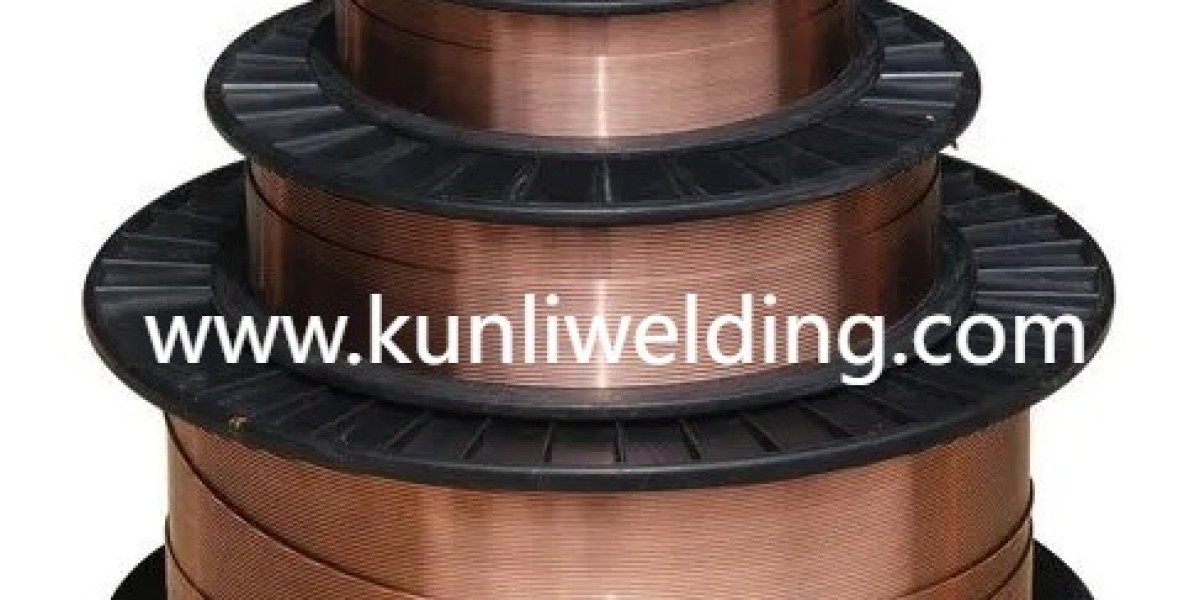
Fabricators working with lightweight metals face numerous technical decisions that influence final product quality and structural performance. When joining aluminum components, matching filler wire chemistry to base material composition becomes a fundamental consideration that prevents common welding defects. Industry professionals, including Kunli Aluminum MIG Wire Manufacturers , emphasize the importance of understanding metallurgical compatibility before starting any welding project. The relationship between parent metal and filler material determines not only weld strength but also resistance to cracking, corrosion behavior, and overall joint integrity throughout the service life of fabricated assemblies.
Aluminum alloys exist in numerous compositions, each engineered for specific performance characteristics. Some contain silicon as a primary alloying element, while others incorporate magnesium, copper, or zinc to achieve desired mechanical properties. These compositional differences create distinct melting ranges and solidification behaviors that directly affect how materials respond during the welding process. When filler wire chemistry mismatches the base alloy, the resulting fusion zone may exhibit undesirable characteristics such as hot cracking, reduced ductility, or compromised corrosion resistance. Understanding these metallurgical interactions helps welders avoid costly rework and structural failures in finished products.
Heat treatable aluminum alloys present unique challenges during joining operations. These materials derive strength from precipitation hardening, a process where alloying elements form microscopic particles within the metal matrix. The thermal cycle imposed by welding disrupts this carefully controlled microstructure, creating a heat affected zone where strength decreases compared to unaffected base material. Selecting compatible filler wire becomes crucial because the weld metal must compensate for weakness in adjacent areas. Some filler compositions solidify with microstructures resistant to hot cracking even when joining heat treatable base metals prone to this defect. The chemical composition of filler wire influences how the molten pool freezes, affecting grain structure and the distribution of low melting constituents that could otherwise create crack susceptibility.
Non heat treatable aluminum alloys rely on solid solution strengthening or work hardening rather than precipitation processes. These materials generally demonstrate better weldability, but filler wire selection still requires careful attention to composition. Magnesium content in both base metal and filler wire affects solidification behavior and final mechanical properties. When welding alloys containing significant magnesium levels, using filler wire with appropriate magnesium content helps maintain strength and prevents issues like liquation cracking. The freezing range of the combined weld metal chemistry determines how smoothly solidification proceeds and whether defects form during cooling.
Corrosion resistance represents another critical factor influenced by base alloy and filler wire compatibility. Different aluminum alloys demonstrate varying susceptibility to environmental attack depending on their elemental composition. When dissimilar compositions join together, galvanic relationships develop that can accelerate corrosion in certain environments. Selecting filler wire that creates a compatible electrochemical relationship with base materials helps prevent preferential attack at weld interfaces. This consideration becomes particularly important for structures exposed to marine environments, industrial atmospheres, or other corrosive conditions where long term durability matters.
Color matching after anodizing presents practical concerns for applications where aesthetic appearance matters. Aluminum alloys respond differently to anodizing processes based on their chemical composition. The silicon content, copper levels, and other alloying elements influence the color and texture achieved during surface treatment. When welds receive anodizing, mismatched filler wire chemistry may result in visible color differences between weld metal and base material. While this rarely affects structural performance, it creates cosmetic issues unacceptable for architectural components or consumer products where appearance contributes to value.
Fluidity characteristics during welding also depend on compositional compatibility between base and filler materials. The molten weld pool must flow smoothly to fill joint geometries and wet base metal surfaces properly. Silicon containing filler wires generally exhibit enhanced fluidity, making them suitable for certain applications but potentially problematic for others. When joining alloys with lower silicon content using high silicon filler wire, the resulting weld bead profile may appear different than expected. Understanding these flow characteristics helps welders select materials that produce acceptable bead geometry for their specific joint configurations and positional requirements.
Strength requirements guide filler wire selection in load bearing applications. The tensile properties of weld metal should match or exceed those of weaker base materials to ensure joints do not become failure points under stress. Evaluating the strength of various filler compositions in relation to base alloy properties allows engineers to specify appropriate materials for structural components. This analysis considers both as welded strength and properties after any post weld heat treatment that might be applied.
Technical resources continue evolving as welding technology advances and new material combinations enter production environments. Fabricators seeking guidance on matching filler wire chemistry to specific base alloy compositions can access detailed technical information at https://www.kunliwelding.com/product/ where comprehensive material specifications help professionals make informed selections based on project requirements, environmental conditions, and intended service applications for welded assemblies.