
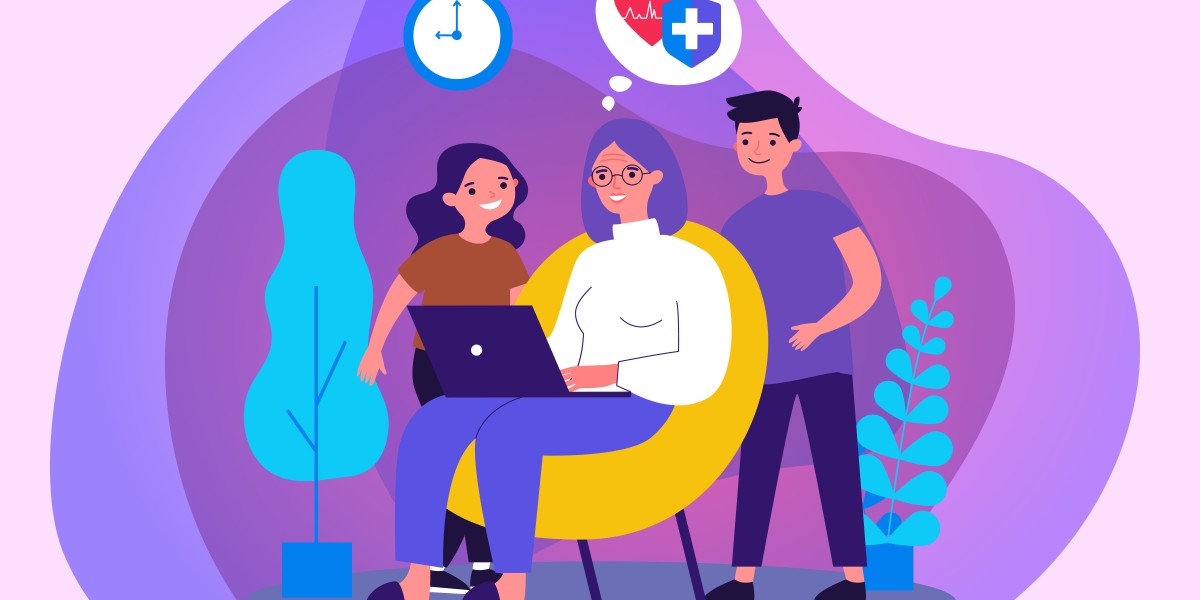
For decades, mental health at work in India lived in the shadows—spoken about quietly, addressed reactively, or ignored altogether. Today, that silence is breaking. Rising workplace stress, burnout, anxiety, and disengagement have made one thing unmistakably clear: employee mental health is no longer a “nice-to-have.” It is a business necessity. In an era of tight deadlines, hybrid work models, constant connectivity, and economic uncertainty, organizations that fail to prioritize psychological well-being risk losing not just productivity, but people. This is where structured support systems like the employee assistance program (EAP) are becoming central to India’s evolving corporate wellness program landscape.
Why Is Mental Health at Work a Growing Concern in India?
India’s workforce is young, ambitious, and increasingly global—but it is also under immense pressure. Long working hours, high performance expectations, job insecurity, and limited work–life balance have contributed to widespread stress and emotional exhaustion. The post-pandemic shift to remote and hybrid work has further blurred boundaries between professional and personal life, making it harder for employees to disconnect and recover.
Mental health challenges don’t always show up as visible crises. They often appear as reduced concentration, irritability, absenteeism, frequent errors, interpersonal conflicts, or quiet disengagement. When left unaddressed, these issues affect team morale, leadership effectiveness, and overall organizational culture. As awareness grows, Indian companies are recognizing that mental health support must be proactive, confidential, and easily accessible—not reactive or crisis-driven.
What Is an Employee Assistance Program (EAP)?
Employee assistance programs (EAPs) are systematic workplace initiatives that aim to improve employees' mental, emotional, and psychological well-being. Traditionally, EAPs focused on crisis intervention, but modern EAPs in India have expanded to include preventive and developmental support.
A well-designed EAP typically offers:
- Confidential counselling services
- Stress and anxiety management support
- Help with work-related issues such as burnout, role conflict, or leadership stress
- Support for personal challenges, including relationship difficulties, grief, or life transitions
- Referrals to specialized mental health professionals when needed
The key strength of an EAP lies in its confidentiality and accessibility. Employees can seek help without fear of judgment or professional consequences, which significantly reduces stigma and encourages early intervention.
How Do EAPs Strengthen a Corporate Wellness Program?
A corporate wellness program aims to support employees holistically—physically, emotionally, and mentally. While fitness initiatives and health check-ups address physical well-being, mental health requires a more nuanced approach. EAPs play an important role in this context.
EAPs act as the psychological backbone of a corporate wellness program. They provide employees with a safe space to process stressors before they escalate into serious mental health concerns. By integrating EAP services into broader wellness strategies, organizations can move from symbolic wellness efforts to meaningful, outcome-driven support.
When mental health care is embedded into workplace culture through EAPs, employees are more likely to:
- Seek support early
- Feel valued and understood by their organization
- Remain engaged and motivated
- Develop healthier coping strategies
From a business perspective, this translates into improved retention, reduced absenteeism, better performance, and stronger leadership resilience.
Why Are EAPs Becoming Essential Rather Than Optional?
The idea that mental health support is optional is increasingly outdated. Indian labor laws, ESG frameworks, and global corporate standards are placing greater emphasis on employee well-being. At the same time, employees—especially younger professionals—expect organizations to offer mental health resources as part of standard benefits.
Ignoring mental health is costly. Burnout leads to high attrition, disengaged teams, and increased medical claims. In contrast, companies that invest in EAPs often see a measurable return through improved productivity, stronger employer branding, and healthier workplace relationships.
EAPs also support managers and leaders, who often carry invisible emotional burdens while managing teams under pressure. Leadership-focused counselling and stress management support can prevent decision fatigue and emotional burnout at the top, which ultimately impacts the entire organization.
How Does Online Counselling Improve Access to EAP Services?
One of the biggest challenges in traditional workplace counselling was access—especially for employees in remote locations, smaller cities, or global roles. Online counselling has transformed how EAPs function, making mental health support more flexible, inclusive, and scalable.
RCI-registered platforms like TalktoAngel play an important role in modern EAP delivery. TalktoAngel provides professional online counselling worldwide, allowing employees to connect with qualified mental health professionals from the comfort of their homes. This flexibility is especially valuable for employees juggling demanding schedules or those hesitant to seek in-person support.
By offering structured online counselling, TalktoAngel supports organizations in maintaining confidentiality, consistency, and clinical credibility. Such platforms align well with India’s growing digital-first workforce while ensuring that counselling services meet professional and ethical standards set by regulatory bodies.
What Should Organizations Look for When Implementing an EAP?
Not all EAPs are created equal. For an EAP to be effective, organizations must look beyond checkbox compliance and focus on quality and relevance.
Key considerations include:
- Clinical credibility: Ensure counsellors are qualified, and platforms are professionally regulated
- Confidentiality: Employees must trust that their data and conversations are protected
- Cultural sensitivity: Services should reflect Indian workplace realities and social contexts
- Ease of access: Online and flexible scheduling increases utilization
- Integration: The EAP should align seamlessly with the broader corporate wellness program
Clear communication is equally important. Employees need to understand what the EAP offers, how to access it, and why it exists—without fear or stigma.
What Does the Future of Workplace Mental Health in India Look Like?
The future of work in India is inseparable from the future of mental health at work. As organizations navigate rapid change, emotional resilience will become as important as technical skill. EAPs will likely evolve from support services into strategic tools for talent management, leadership development, and organizational sustainability.
Companies that invest in mental health today are not just responding to a trend—they are shaping healthier, more human workplaces for the long term. By integrating a robust employee assistance program (EAP) into a comprehensive corporate wellness program, organizations send a clear message: employee well-being matters, and support is always within reach.