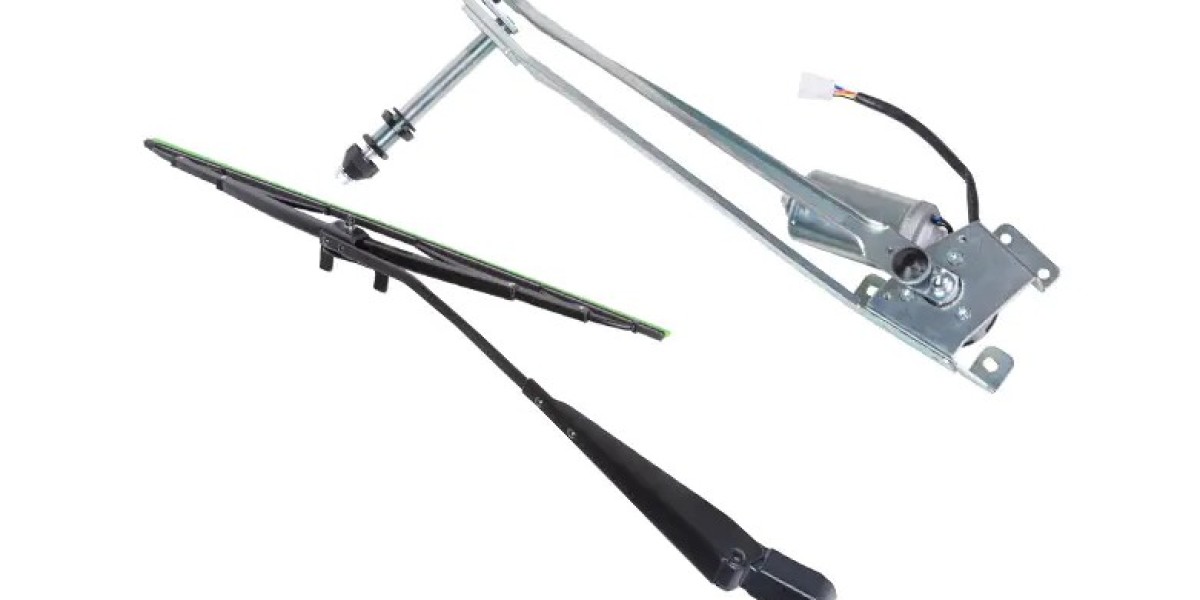
When evaluating long-term vehicle upkeep, maintenance teams often compare Bus Wiper Motor structures with Modular Wiper Motor layouts to understand how each affects service efficiency. While performance during operation is essential, the real cost of ownership often becomes visible during routine inspection, part replacement, and unexpected downtime.
A Bus Wiper Motor installed on public transport vehicles must operate reliably through thousands of cycles per month. Wear patterns tend to concentrate on specific components such as bearings, gear teeth, and linkage interfaces. Modular Wiper Motor designs allow these high-wear parts to be accessed and replaced independently. This reduces the need to disturb surrounding components, which lowers the risk of secondary damage during maintenance work.
Service documentation also becomes clearer with modular systems. Instead of a single, complex manual covering every internal detail, modular assemblies allow separate service guides for each component group. Maintenance personnel can focus on the relevant section without reviewing unnecessary information. This structured approach supports consistency across service teams, especially in large fleets with rotating staff.
Inventory control is another practical concern. Stocking complete Bus Wiper Motor units for emergency replacement can be costly and space-consuming. Modular configurations reduce this burden by allowing storage of common components used across multiple models. A single gear module or motor core may serve different bus platforms, which improves inventory turnover and reduces idle stock.
The impact on training should not be overlooked. New technicians learn faster when systems follow predictable patterns. Modular Wiper Motor layouts tend to repeat design logic across models, making it easier to transfer skills. Once a technician understands one module, they can apply that knowledge to other configurations. This continuity supports workforce flexibility without sacrificing maintenance quality.
Field repairs also benefit from modular thinking. When a Bus Wiper Motor experiences partial failure, modular construction allows targeted intervention. Instead of removing the entire motor assembly, technicians can address the affected module. This shortens repair time and allows buses to return to service more quickly, which is critical for public transport operations.
Over time, data collected from modular components supports better maintenance planning. Wear rates can be tracked per module, allowing operators to forecast replacement intervals more accurately. This data-driven approach helps avoid premature replacements while reducing unexpected failures. A Modular Wiper Motor thus supports more informed decision-making throughout the vehicle lifecycle.