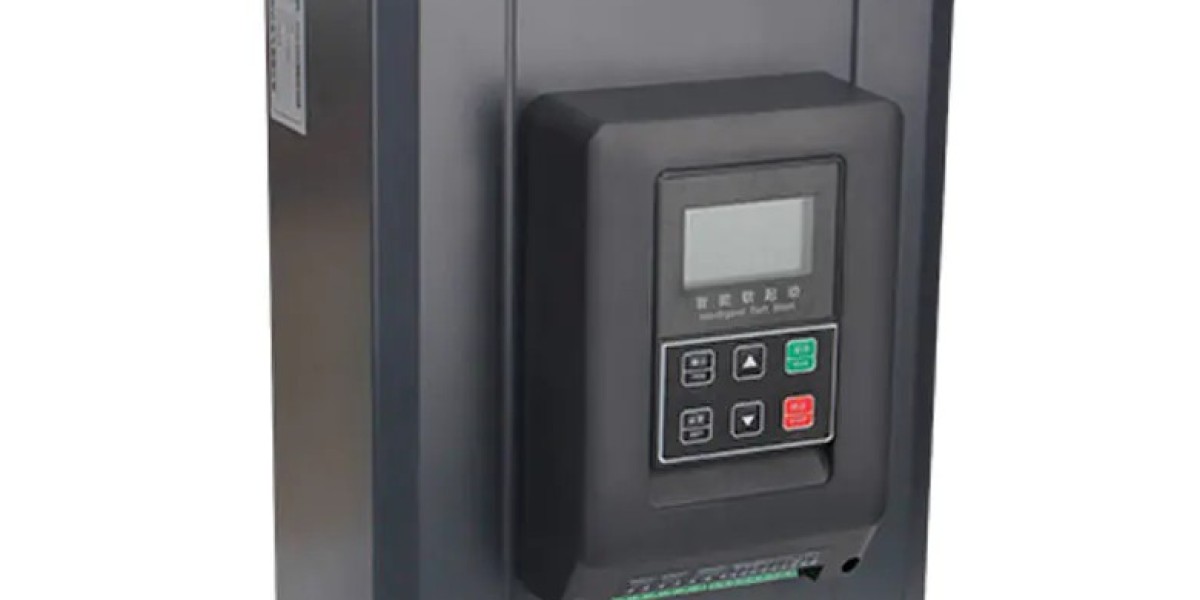
As industrial systems expand geographically, maintaining direct oversight of every motor and control panel becomes increasingly difficult. In such environments, combining a Bypass Soft Starter with a 4G remote control circuit breaker offers a practical response to the challenges of distance, access, and response time. This approach focuses on maintaining predictable motor behavior while extending control beyond the physical site.
Mechanical systems often experience their highest stress during startup. Sudden acceleration can place strain on shafts, couplings, and driven equipment. Over time, these repeated stresses contribute to fatigue and misalignment. A bypass soft starter reduces this impact by managing the voltage applied during startup, allowing torque to build progressively.
This controlled acceleration helps align electrical behavior with mechanical tolerance. The result is not increased output, but steadier operation. When the motor reaches stable speed, bypass operation ensures that the starter does not introduce unnecessary resistance or heat during continuous use. This supports longer operating periods with minimal intervention.
Remote visibility addresses a different challenge. In distributed installations such as pumping stations, material handling lines, or remote processing units, personnel may not be present when an event occurs. A 4G remote control circuit breaker bridges this gap by transmitting status information and fault data over a mobile network.
Access to real-time information allows operators to evaluate conditions before taking action. For example, understanding whether a trip resulted from a temporary overload or a persistent fault influences the response strategy. Remote switching capability further allows controlled resets or shutdowns when appropriate, reducing unnecessary site visits.
This visibility also supports documentation and analysis. Event records collected by the breaker can highlight patterns such as frequent overloads or irregular operating hours. These insights guide adjustments to operating schedules or maintenance plans, supporting gradual improvement rather than reactive repair.
The integration of these components supports coordination across electrical and mechanical domains. Smooth starting reduces the likelihood of faults triggered by current spikes, while effective protection ensures that abnormal conditions are addressed promptly. Together, they contribute to system stability without relying on constant supervision.
Another consideration involves workforce efficiency. Skilled technicians are often responsible for multiple sites. Remote access allows them to allocate time more effectively, focusing on systems that require attention rather than performing routine checks across all installations.
Design simplicity remains important. The bypass soft starter follows familiar wiring and control logic, while the circuit breaker integrates into standard protection schemes. Communication features enhance these devices without altering their core functions. This balance reduces training requirements and supports consistent operation across sites.