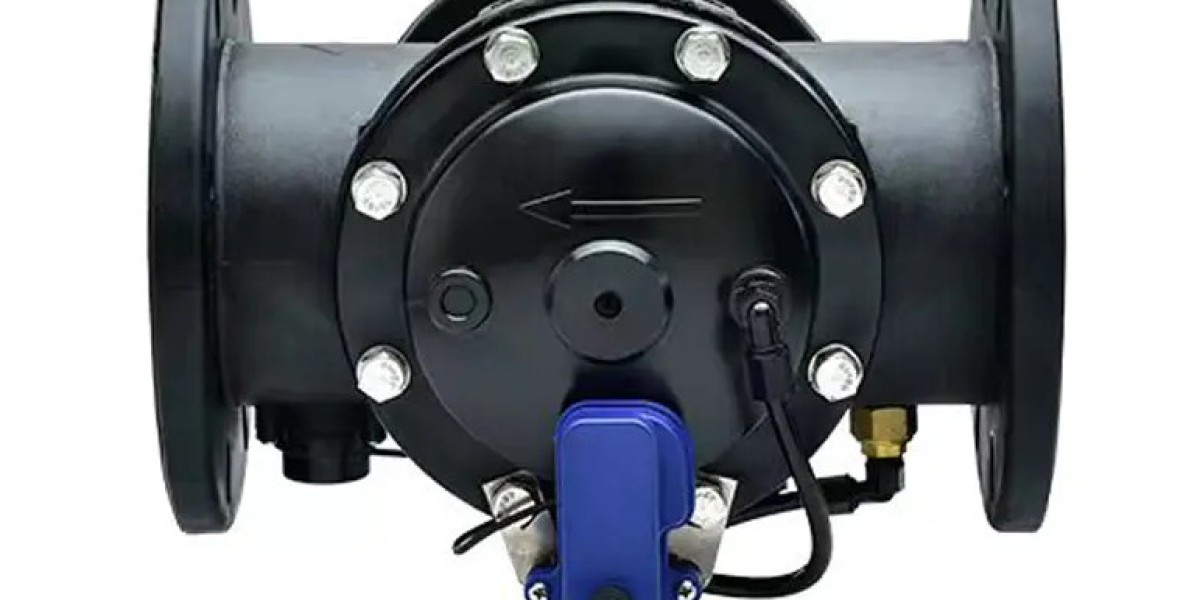
Water usage patterns are increasingly shaped by automation and data-driven decision making. Within this context, the Sanitary Ware Solenoid Valve and the Garden Solenoid Valve function as practical tools that translate control strategies into physical outcomes. Rather than altering water sources themselves, these valves influence how and when water is delivered, helping systems operate with greater intention.
In sanitary ware systems, water efficiency often begins with timing. Touchless faucets, controlled flushing cycles, and sensor-activated showers rely on valves that respond precisely to electronic commands. By opening only when necessary and closing promptly after use, solenoid valves help limit excess flow without requiring conscious effort from users. This approach aligns convenience with responsible consumption.
The effectiveness of this control depends on the valve’s responsiveness and sealing reliability. Inconsistent closing behavior can lead to small but persistent leaks that undermine efficiency goals. For this reason, sanitary solenoid valves are commonly designed with balanced internal pressure and carefully selected sealing materials, supporting steady performance across repeated cycles.
Outdoor irrigation systems approach efficiency from a different angle. A Garden Solenoid Valve typically supports zoned watering strategies, where different areas receive water according to plant type, soil conditions, or sun exposure. By isolating zones and activating them independently, irrigation systems avoid blanket watering that may not reflect actual needs.
This zoned approach also supports seasonal adjustments. As weather patterns shift, controllers can modify watering schedules without altering physical infrastructure. The solenoid valve responds to these adjustments by executing revised commands, ensuring that water delivery remains aligned with updated parameters.
Another efficiency-related aspect involves integration with monitoring technologies. While sensors gather data, solenoid valves determine how that data influences water flow. For example, moisture readings may signal that irrigation can be postponed, keeping valves closed until conditions change. In sanitary systems, occupancy sensors may limit flushing or water release to active use periods.
Material durability further supports efficient operation over time. Valves that maintain consistent sealing reduce the likelihood of gradual performance loss. In both indoor and outdoor applications, this stability helps systems retain their intended behavior rather than drifting toward inefficiency through wear or contamination.
The relationship between efficiency and user behavior is also worth noting. Automated systems reduce reliance on manual decisions, allowing water control to operate in the background. Solenoid valves enable this shift by acting as reliable intermediaries between system logic and physical flow, maintaining alignment between design intent and daily operation.
As water management becomes more nuanced, solenoid valves continue to support evolving strategies without demanding complex changes to core infrastructure. Their ability to adapt to different control philosophies allows them to remain relevant as efficiency standards and usage expectations evolve.