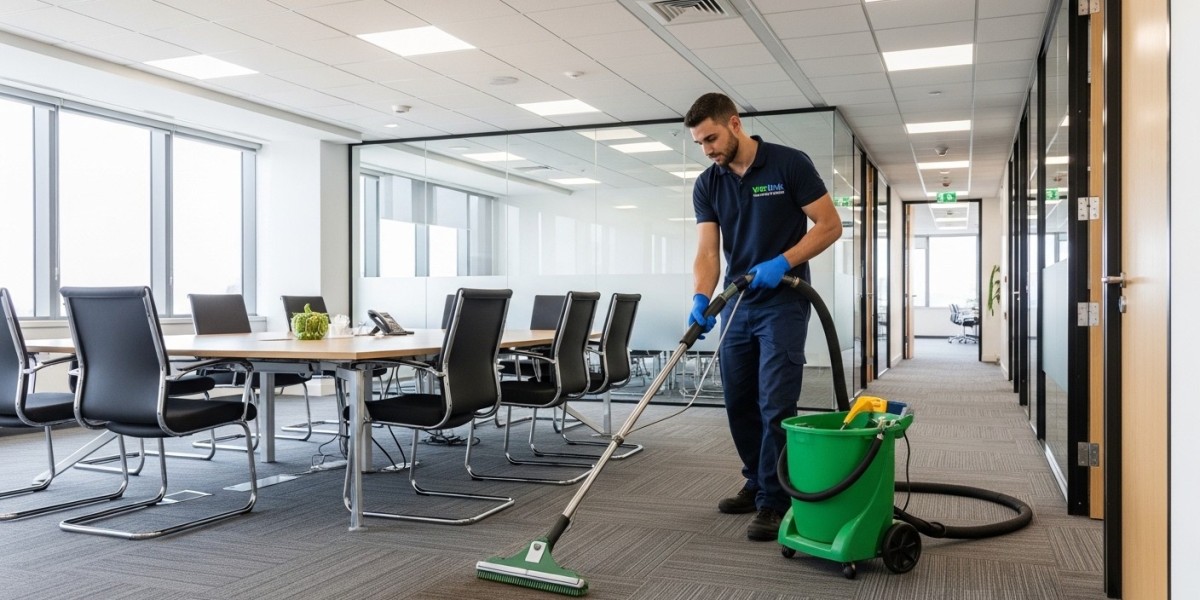
Office carpets endure constant foot traffic that introduces bacteria, allergens, dirt, and moisture from outdoor environments into workplace interiors where employees spend significant portions of their days. These contaminants accumulate within carpet fibers, backing materials, and padding, creating potential health hazards that routine vacuuming cannot adequately address. Professional commercial carpet sanitising employs specialized treatments and industrial-grade solutions to eliminate harmful microorganisms, reduce allergen loads, and maintain hygienic work environments that support employee health, productivity, and professional image.
Common Office Carpet Challenges
Office environments experience continuous influx of outdoor pollutants, dust particles, pollen, and other allergens carried on shoes, clothing, and through ventilation systems. These materials settle into carpet pile where they accumulate over weeks and months, eventually exceeding the carpet's natural filtering capacity. As saturation occurs, carpets begin releasing trapped particles back into breathing zones, degrading indoor air quality and potentially triggering respiratory issues, allergy symptoms, and discomfort among employees, particularly those with asthma or chemical sensitivities.
Bacteria and Germs from Spills and Foot Traffic
Break rooms, conference areas, and high-traffic corridors become contaminated with bacteria and germs from food handling, beverage spills, and the constant transfer of microorganisms from shoes that have contacted restroom floors, parking lots, and public spaces. Studies indicate office carpets can harbor thousands of bacteria per square inch, including potentially harmful strains like E. coli, Salmonella, and Staphylococcus. Without proper sanitising, these microbial populations multiply rapidly, creating health risks and contributing to illness transmission throughout the workplace.
Lingering Odors from Food, Beverages, and Moisture
Office kitchens, break areas, and conference rooms accumulate food particles, coffee spills, and beverage residues that penetrate carpet backing and decompose as bacteria metabolize organic matter. These processes generate progressively worsening odors that create unprofessional atmospheres and suggest poor facility maintenance to clients and visitors. Additionally, moisture from tracked-in precipitation, HVAC condensation, or plumbing leaks creates conditions for mold and mildew growth, producing musty smells and potential respiratory health concerns.
Premature Wear and Fiber Damage
Embedded dirt particles act as abrasives that cut and wear down carpet fibers with each footstep, accelerating visible deterioration in high-traffic pathways and entry areas. Bacterial activity and moisture retention associated with poor hygiene further degrade fiber structures, weaken adhesive bonds, and cause matting that makes carpets look old and poorly maintained long before their expected lifespan ends. This premature aging necessitates costly early replacement and undermines the return on investment in quality office flooring.
How Professional Commercial Carpet Sanitising Works
Commercial carpet sanitising employs scientifically formulated approaches designed to eliminate harmful microorganisms, reduce biological contamination, and restore hygienic conditions throughout office environments.
Use of Food-Safe, Industrial-Grade Sanitising Solutions
Professional carpet cleaning services utilize EPA-registered sanitising agents formulated specifically for commercial environments, meeting stringent safety standards for occupied workplaces while delivering superior antimicrobial effectiveness. These industrial-strength sanitisers kill bacteria, viruses, fungi, and other pathogens on contact, reducing microbial populations by 99.9% or more when properly applied. Food-safe formulations ensure treatments meet health department requirements for areas where food is prepared or consumed while remaining safe for employees throughout the office once carpets dry completely.
Integration with Deep Carpet Cleaning or Steam Cleaning Processes
Maximum sanitising effectiveness results from integration with comprehensive deep carpet cleaning or steam cleaning that removes contaminated materials before applying antimicrobial treatments. Hot water extraction flushes embedded dirt, organic matter, and biological contaminants from deep within carpet structure, creating clean surfaces where sanitising solutions can contact and kill remaining microorganisms effectively. This sequential approach addresses both visible soiling and microscopic contamination, producing thoroughly hygienic results that surface-only treatments cannot achieve.
Targeting Both Surface and Deeply Embedded Contaminants
Surface sanitising addresses recently introduced bacteria and germs, but microorganisms in padding, backing materials, and carpet pile bases require penetrating treatments for complete elimination. Professional technicians adjust application methods, solution concentrations, and contact times based on contamination levels and carpet construction. Treatments may include sub-surface injection for severe contamination, extended dwell times for maximum microbial kill rates, and follow-up applications in high-risk areas like restrooms and food service zones to ensure comprehensive sanitising throughout the office.
Fast-Drying Methods to Minimize Disruption in Office Operations
Business productivity depends on minimal downtime during carpet maintenance, making rapid drying essential for commercial carpet cleaning success. Modern extraction equipment removes 95% or more of applied moisture, while commercial air movers accelerate evaporation, typically allowing cleaned and sanitised carpets to return to service within 4 to 8 hours. Many offices schedule sanitising during evening hours or weekends, ensuring carpets are completely dry and ready for normal use when employees arrive, avoiding operational disruptions or workspace access restrictions.
Benefits of Commercial Carpet Sanitising
Reduces Bacteria, Allergens, and Unpleasant Odors
Professional commercial carpet sanitising dramatically reduces bacterial populations, allergen concentrations, and odor-causing contaminants through antimicrobial treatments and thorough extraction of organic materials. By eliminating disease-causing microorganisms and removing particles that trigger allergic responses, sanitising creates healthier work environments with measurably improved hygiene standards. Simultaneously, removal of odor sources and bacterial colonies responsible for smell generation restores fresh, professional atmospheres that enhance workplace comfort and visitor impressions.
Improves Indoor Air Quality and Employee Wellbeing
Contaminated carpets contribute significantly to poor indoor air quality by harboring and releasing allergens, bacterial metabolites, mold spores, and particulate matter into breathing zones occupied by employees throughout workdays. Professional carpet sanitising removes these health hazards, improving air freshness and reducing respiratory irritation, allergy symptoms, and sick building syndrome complaints. Healthier indoor environments support employee wellbeing, potentially reducing sick leave, improving focus and productivity, and demonstrating organizational commitment to workplace health and safety.
Extends Carpet Lifespan and Protects Office Investment
Bacterial activity, moisture retention, and accumulated abrasive particles accelerate carpet deterioration through fiber degradation, adhesive breakdown, and structural damage. Commercial carpet sanitising combined with thorough cleaning removes these damaging agents, helping carpets maintain appearance, resilience, and functionality significantly longer than carpets receiving only surface maintenance. For facility managers overseeing substantial flooring investments, this preservation delays expensive replacement projects by years, improving total cost of ownership and asset value.
Maintains a Professional, Hygienic Appearance for Clients and Staff
First impressions form within seconds of entering office spaces, with clean, fresh-smelling carpets signaling professionalism, attention to detail, and organizational competence. Conversely, visibly soiled, malodorous, or obviously contaminated carpets suggest neglect and poor management that undermines confidence in business capabilities regardless of actual service or product quality. Regular office carpet sanitising maintains consistently professional appearance while demonstrating commitment to employee health and client comfort that supports business reputation and success.
Tips for Maintaining a Safe Office Carpet
Implement Regular Vacuuming and Spot Cleaning Routines
Daily vacuuming of high-traffic areas using commercial vacuum equipment with proper filtration removes surface debris, dust, and particles before they penetrate deep into carpet pile where bacteria can colonize and odors develop. Entire office spaces should receive thorough vacuuming at least three to five times weekly, with immediate spot cleaning of spills using appropriate techniques and products. HEPA filtration prevents captured particles from being released back into office air during cleaning operations, supporting overall air quality management goals.
Promptly Address Spills and Accidents
Immediate response to beverage spills, food accidents, and tracked-in moisture prevents liquids from penetrating carpet backing and padding where bacterial growth and odor development become difficult to address. Blotting with clean, absorbent materials lifts contaminants without spreading them laterally or driving them deeper into carpet structure. Emergency cleanup supplies should be readily accessible in break rooms and high-risk areas, with staff trained in proper response procedures that minimize damage and contamination spread.
Schedule Periodic Professional Sanitising Services
While daily maintenance preserves surface cleanliness, periodic professional carpet sanitising addresses accumulated deep contamination, biological growth, and microbial populations that routine care cannot prevent or eliminate. Most office environments benefit from quarterly or semi-annual professional sanitising depending on employee count, traffic levels, and business type. High-traffic areas, food service zones, and healthcare-related offices may require monthly service to maintain optimal hygiene standards and regulatory compliance.
Use Environmentally Safe and Non-Toxic Cleaning Products
Interim maintenance products including spot cleaners and deodorising sprays should meet environmental and health safety standards appropriate for occupied workplaces. Selecting products with Green Seal certification, EPA Safer Choice designation, or similar third-party verification ensures effectiveness without introducing harsh chemicals, synthetic fragrances, or toxic residues that compromise indoor air quality or create employee health concerns. Following manufacturer instructions protects carpet materials while ensuring proper sanitising and cleaning effectiveness.
Understanding the Health Impact of Office Carpets
Research consistently demonstrates that carpets in commercial environments can harbor significantly higher microbial populations than hard flooring surfaces, with bacteria counts sometimes exceeding levels found on toilet seats. This contamination occurs because carpet fibers trap and retain microorganisms introduced through foot traffic, creating protected environments where bacteria multiply rapidly when organic matter and moisture provide necessary nutrients. Without regular professional carpet sanitising, these microbial populations continue growing and spreading, potentially contributing to increased illness rates and reduced workplace productivity.
Allergen accumulation in office carpets affects employees differently based on individual sensitivities, but can trigger symptoms ranging from mild irritation to severe respiratory distress. Dust mites, pollen, pet dander tracked from homes, and mold spores thrive in carpet environments, particularly when humidity levels exceed 50% or when moisture from spills and leaks provides growth conditions. Professional sanitising combined with proper extraction removes these allergen sources while antimicrobial treatments prevent recontamination between scheduled services.
When to Increase Sanitising Frequency
Certain circumstances warrant more frequent commercial carpet sanitising than standard maintenance schedules. Cold and flu seasons see increased virus transmission through office environments, making additional sanitising valuable for reducing pathogen loads on high-touch surfaces and frequently contacted carpeted areas. Post-renovation cleaning should include thorough sanitising to address construction dust and debris that may contain harmful particles or microorganisms introduced during building modifications.
Offices experiencing increased illness rates, employee complaints about air quality or odors, or visible carpet contamination should schedule immediate professional assessment and sanitising. Similarly, businesses in healthcare, food service, childcare, or industries with specific hygiene regulations may require monthly or even bi-weekly sanitising to maintain compliance and protect vulnerable populations. Facility managers should monitor carpet conditions, track employee health trends, and adjust sanitising frequency based on observed needs rather than adhering rigidly to arbitrary schedules.
Combining Sanitising with Comprehensive Carpet Care
Maximum protection and cost-efficiency result from integrating commercial carpet sanitising into complete maintenance programs addressing cleaning, stain removal, deodorising, and protective treatments in coordinated service appointments. Professional carpet cleaning services typically bundle complementary treatments, delivering superior comprehensive results more efficiently than scheduling separate visits while minimizing business disruption and optimizing employee productivity.
Maintenance contracts with scheduled professional visits ensure consistent sanitising as standard practice alongside regular extraction cleaning, providing predictable care schedules, simplified planning, and frequently offering cost advantages compared to reactive service arrangements. Regular professional attention maintains carpets in optimal hygienic condition continuously, prevents contamination from reaching problematic levels, supports regulatory compliance, and demonstrates organizational commitment to employee health and safety.
Return on Investment for Professional Sanitising
While office carpet sanitising represents an operational expense, the return on investment extends beyond appearance and hygiene compliance. Reduced employee sick leave through improved workplace health can save thousands of dollars annually in lost productivity and temporary staffing costs. Extended carpet life through proper maintenance delays replacement expenses ranging from $3 to $15 per square foot installed. Enhanced professional image supports business development and client retention that far exceeds sanitising service costs.
Facility managers tracking total cost of ownership frequently find that regular professional sanitising reduces overall carpet-related expenses by 30 to 50 percent compared to reactive maintenance approaches. This financial advantage compounds across multiple carpet generations as organizations develop optimized care schedules and establish relationships with reliable providers understanding their specific needs, challenges, and performance expectations.
Conclusion
Professional commercial carpet sanitising maintains safe, hygienic office environments through specialized antimicrobial treatments that eliminate bacteria, reduce allergen loads, prevent odor development, and support employee health. Regular professional carpet cleaning services incorporating comprehensive sanitising improve indoor air quality, extend carpet lifespan, maintain professional appearance, and demonstrate organizational commitment to workplace safety and wellbeing. Facility managers and business owners who prioritize appropriate sanitising protocols create healthier work environments, protect flooring investments, support productivity, and ensure compliance with health standards. Establishing partnerships with experienced commercial carpet sanitising providers ensures offices receive the specialized attention necessary for maintaining hygienic conditions that support business success and employee satisfaction.
Frequently Asked Questions
How often should office carpets be sanitised?
Quarterly is typical, but frequency depends on traffic, employee count, and business type. High-traffic offices, healthcare, food service, or childcare may require monthly treatments. Low-traffic offices may extend to semi-annual schedules.
Is it safe for employees with allergies or sensitivities?
Yes EPA-registered, eco-friendly products are safe once carpets are dry. Plant-based and botanical sanitizers kill pathogens without harsh chemicals or strong fragrances.
Difference between sanitising and regular cleaning?
Regular cleaning removes visible dirt, stains, and debris. Sanitising targets bacteria, viruses, and fungi. Professional services usually combine both for full hygiene and odor control.
How long does it take?
Sanitising 1,000–3,000 sq. ft. per hour is typical with professional equipment. A 5,000 sq. ft. office may take 2–4 hours active treatment, not including setup or drying. Evening or weekend service is common.
Cost of professional office sanitising?
$0.20–$0.50 per sq. ft., depending on size, carpet condition, and furniture density. Volume discounts and maintenance contracts are often available, making sanitising cost-effective compared to illness or early carpet replacement.