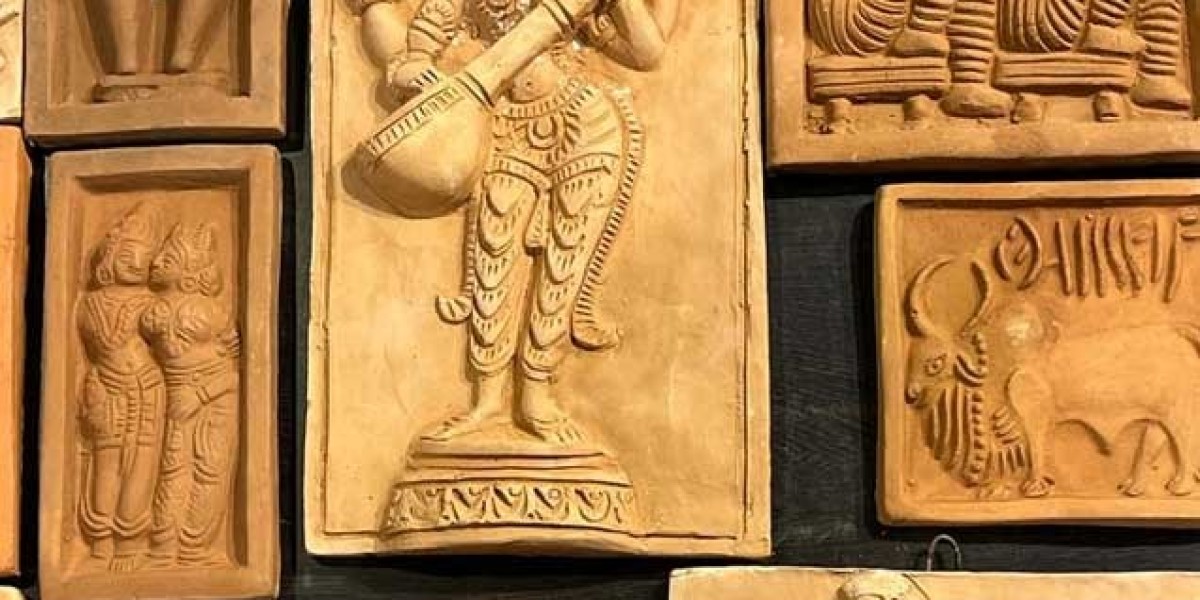
Terracotta tiles have been used in homes for centuries, and today they are enjoying a strong revival in modern interior design. Terracotta tiles offer warmth, character, and durability that few other flooring or wall materials can match. Homeowners, designers, and builders alike are turning to terracotta for its natural beauty, long lifespan, and timeless appeal.
This guide explains everything you need to know about terracotta tiles for homes, including their style options, durability, maintenance needs, and practical use in real living spaces. Whether you are renovating a single room or planning a full-home upgrade, this article will help you make confident, informed decisions.
What Are Terracotta Tiles?
Terracotta tiles are clay-based tiles made from natural earth materials. The word “terracotta” means “baked earth,” which describes how these tiles are formed and fired in kilns.
Terracotta tiles are known for their warm reddish-brown color, porous surface, and handcrafted appearance. While traditional terracotta has a rustic look, modern production methods also offer refined finishes and consistent sizing.
Terracotta tiles can be used on floors, walls, patios, kitchens, bathrooms, and even fireplaces.
How Terracotta Tiles Are Made
Terracotta tiles are produced through a simple but time-tested process.
Natural clay is extracted and shaped into tiles. These tiles are air-dried and then fired at high temperatures in a kiln. Unlike porcelain or ceramic tiles, terracotta is usually fired at lower temperatures, which keeps it porous and breathable.
This porosity is part of what gives terracotta its character, but it also affects durability and care requirements.
Natural vs. Machine-Made Terracotta Tiles
There are two main types of terracotta tiles available today.
Handmade terracotta tiles are crafted using traditional methods. They have slight variations in size, thickness, and color, which adds charm and authenticity.
Machine-made terracotta tiles are more uniform. They are easier to install and often preferred in modern or minimalist homes where consistency matters.
Both options are durable when installed and sealed correctly.
Why Terracotta Tiles Are Popular in Homes
Terracotta tiles have stood the test of time for a reason. They balance beauty and practicality in a way that works across different home styles.
Timeless Aesthetic Appeal
Terracotta tiles create a warm, inviting atmosphere. Their earthy tones work well with wood, stone, neutral walls, and natural fabrics.
They suit a wide range of design styles, including Mediterranean, farmhouse, rustic, bohemian, and even contemporary interiors.
Because terracotta ages gracefully, it often looks better over time rather than worn out.
Versatility Across Rooms
Terracotta tiles are not limited to one area of the home.
They work well in living rooms, kitchens, entryways, bathrooms, and bedrooms. With proper sealing, they can also be used outdoors on patios and terraces.
This versatility makes terracotta a practical choice for homeowners who want design consistency throughout their home.
Sustainable and Eco-Friendly Choice
Terracotta tiles are made from natural clay and do not require chemical additives during production.
Many manufacturers follow environmentally responsible firing and sourcing practices. Industry sustainability studies often cite clay-based building materials as low-impact compared to synthetic flooring options.
For homeowners prioritizing eco-conscious materials, terracotta is a strong choice.
Style Options for Terracotta Tiles
Terracotta tiles offer more design flexibility than many people expect. From traditional to modern, there are options for nearly every taste.
Traditional Rustic Terracotta
Rustic terracotta tiles feature uneven edges, surface texture, and natural color variation.
These tiles are ideal for country homes, villas, and spaces where warmth and character matter more than perfection.
They pair well with exposed beams, stone walls, and natural wood furniture.
Modern and Refined Terracotta Designs
Modern terracotta tiles are smoother and more consistent in color and size.
Some are lightly polished or treated for a softer finish. These tiles work beautifully in contemporary homes where clean lines and natural materials coexist.
They are often used in open-plan living spaces and modern kitchens.
Shapes, Sizes, and Patterns
Terracotta tiles are available in more than just square formats.
Common shapes include rectangles, hexagons, and custom-cut designs. Popular layout patterns include herringbone, brick bond, and diagonal placement.
Using patterns can elevate the visual interest of a space without overwhelming it.
Color Variations and Finishes
While classic terracotta is reddish-orange, modern tiles come in lighter, darker, and even muted tones.
Some tiles are stained or lightly glazed to achieve specific looks while preserving the natural feel.
Finishes range from matte and textured to lightly polished, depending on the desired aesthetic and room usage.
Durability of Terracotta Tiles in Homes
Durability is one of the most important considerations when choosing tiles. Terracotta tiles are durable, but understanding their strengths and limitations is essential.
How Durable Are Terracotta Tiles?
Terracotta tiles are strong and long-lasting when properly installed and sealed.
They can handle daily foot traffic, furniture weight, and normal household wear. In many historic homes, original terracotta floors have lasted for generations.
However, terracotta is softer and more porous than porcelain or stone, which means care and sealing are critical.
Resistance to Wear and Aging
Terracotta tiles develop a natural patina over time.
Small scratches, color changes, and surface wear are often seen as part of their charm rather than flaws.
In high-traffic areas, sealed terracotta performs well and maintains its structural integrity for decades.
Performance in Different Climates
Terracotta tiles perform best in moderate to warm climates.
In cold regions, freeze-thaw cycles can damage unsealed or outdoor terracotta. Proper installation and sealing help mitigate this risk.
Indoors, climate has little impact as long as moisture is managed correctly.
Caring for Terracotta Tiles
Terracotta tiles require more care than some modern tile options, but the process is manageable with the right approach.
Sealing Terracotta Tiles
Sealing is essential for terracotta tiles.
Because terracotta is porous, unsealed tiles absorb water, stains, and oils easily. A quality sealant protects the surface while preserving its natural look.
Most professionals recommend sealing terracotta tiles immediately after installation and resealing periodically based on usage.
Daily Cleaning and Maintenance
Routine cleaning is simple.
Sweep or vacuum regularly to remove dirt and grit. Use a damp mop with a mild, pH-neutral cleaner designed for natural stone or clay tiles.
Avoid harsh chemicals, vinegar, or acidic cleaners, as they can damage the sealant and surface.
Handling Spills and Stains
Clean spills promptly to prevent staining.
If a stain occurs, specialized terracotta or stone cleaners can often remove it without damaging the tile.
In kitchens and dining areas, additional sealant layers provide extra protection.
Long-Term Care and Resealing
Resealing frequency depends on foot traffic and room use.
High-traffic areas may need resealing every one to two years, while low-traffic spaces can go longer.
Regular maintenance ensures terracotta tiles remain beautiful and functional for decades.
Where Terracotta Tiles Work Best in Homes
Terracotta tiles are adaptable, but some spaces benefit more than others.
Living Rooms and Entryways
Terracotta tiles create a welcoming first impression.
They handle foot traffic well and pair beautifully with rugs, sofas, and wooden furniture.
Entryways benefit from terracotta’s durability and ability to hide dirt better than lighter tiles.
Kitchens and Dining Areas
Terracotta tiles bring warmth to kitchens.
With proper sealing, they resist spills and stains. Their textured surface also provides natural slip resistance.
Many designers use terracotta to soften modern kitchen designs dominated by metal and glass.
Bathrooms and Wet Areas
Terracotta can be used in bathrooms when sealed correctly.
It adds spa-like warmth and contrast to white fixtures. Slip-resistant finishes are recommended for safety.
Proper ventilation helps extend the life of terracotta in humid spaces.
Bedrooms and Cozy Spaces
Terracotta tiles work surprisingly well in bedrooms.
They regulate temperature naturally, staying cool in summer and retaining warmth in winter.
Area rugs can be added for comfort without hiding the tile’s beauty.
Common Mistakes to Avoid with Terracotta Tiles
Understanding common mistakes helps prevent costly issues.
Skipping the Sealing Process
Failing to seal terracotta tiles is the most common mistake.
Unsealed tiles stain easily and may deteriorate over time. Always prioritize sealing during installation.
Using the Wrong Cleaning Products
Harsh or acidic cleaners can strip sealants and damage tiles.
Stick to recommended products designed for clay or natural stone.
Improper Installation
Terracotta tiles require skilled installation.
Uneven subfloors, incorrect adhesives, or poor spacing can lead to cracking or shifting.
Hiring experienced installers familiar with terracotta is strongly advised.
Real-World Examples of Terracotta Tiles in Homes
Terracotta tiles are used successfully in many real-life scenarios.
In Mediterranean-style homes, terracotta floors create continuity between indoor and outdoor spaces.
In modern apartments, refined terracotta tiles soften minimalist interiors and add warmth.
Renovation case studies from architectural and interior design publications often highlight terracotta as a material that enhances property value and visual appeal.
Cost Considerations for Terracotta Tiles
Terracotta tile costs vary based on quality, origin, and finish.
Handmade tiles typically cost more due to craftsmanship. Machine-made options are more budget-friendly.
Installation costs may be slightly higher because of sealing and specialized labor, but long-term durability often offsets the initial investment.
Frequently Asked Questions About Terracotta Tiles
What are terracotta tiles best used for?
Terracotta tiles are best used for floors and walls in living rooms, kitchens, entryways, and covered outdoor spaces. With proper sealing, they also work in bathrooms.
Are terracotta tiles hard to maintain?
Terracotta tiles are not difficult to maintain, but they require regular sealing and gentle cleaning. With proper care, maintenance becomes routine.
Do terracotta tiles crack easily?
Terracotta tiles are durable when installed correctly. Cracking usually occurs due to improper installation or subfloor issues rather than the tile itself.
Are terracotta tiles slippery?
Terracotta tiles typically have a textured surface, which provides good slip resistance. Sealed finishes should be chosen carefully for wet areas.
How long do terracotta tiles last?
With proper installation and care, terracotta tiles can last for decades. Many historic homes still have original terracotta floors in use today.
How to Get Started with Terracotta Tiles for Your Home
Start by evaluating where you want to use terracotta tiles and how much traffic the area receives.
Choose a tile style that complements your home’s design. Work with experienced installers and use high-quality sealants.
Request samples to see how color and texture look in your space under natural and artificial light.
Final Thoughts and Next Steps
Terracotta tiles offer a rare combination of beauty, durability, and timeless appeal. They bring warmth to modern homes while honoring centuries-old craftsmanship. When installed and maintained correctly, terracotta tiles become more than a surface. They become part of your home’s character.
If you are considering terracotta tiles for your home, explore available styles, speak with professionals, and plan for proper care. The result is a long-lasting, inviting space that feels both grounded and elegant.