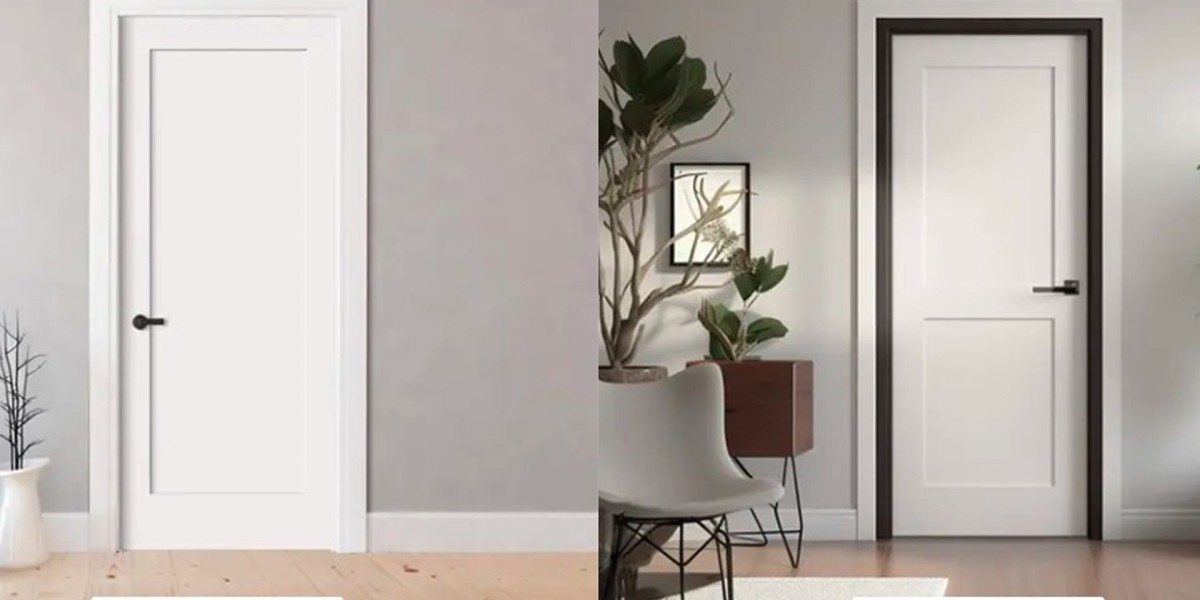
Canada’s construction and renovation sector continues to grow steadily, driven by urban expansion, immigration, infrastructure investments, and rising housing demand. From high-rise condominiums in Toronto to suburban developments in Alberta and custom homes in British Columbia, efficiency and quality are top priorities for builders and homeowners alike. In this evolving landscape, Prehung Interior Doors and Prehung Doors have become essential components in residential and commercial projects across the country.
Door systems are no longer viewed as simple functional elements. In today’s Canadian market, they must meet standards for durability, energy efficiency, acoustic control, and design compatibility. Pre-assembled door units offer practical advantages that align with modern construction needs, making them a preferred choice for contractors, developers, and renovators.
Understanding Pre-Assembled Door Systems
A prehung door is a complete unit that includes the door slab already mounted on hinges within a frame. The assembly often comes with pre-cut strike plates and pre-drilled hardware preparations. This configuration eliminates the need to align and fit a separate slab into an existing frame, saving time and reducing installation errors.
In Canada, where construction timelines are often affected by seasonal weather conditions, efficiency is especially valuable. Cold winters in provinces such as Manitoba and Quebec can shorten exterior construction windows, placing pressure on builders to complete interior work quickly. Pre-assembled door systems streamline the installation process, helping projects stay on schedule.
Growing Demand in Residential Construction
Canada’s housing market remains dynamic despite economic fluctuations. Population growth, urban densification, and demand for new housing continue to support construction activity. In this environment, Prehung Interior Doors are widely used in single-family homes, townhouses, and condominium developments.
These doors are typically installed in:
Bedrooms and bathrooms
Closets and storage areas
Home offices
Utility rooms
Builders favor prehung systems because they reduce labor time and ensure consistent alignment throughout the home. For large residential developments, uniformity and speed are essential to maintaining profitability and meeting delivery deadlines.
Homeowners also benefit from easier renovations. When upgrading interior spaces, replacing an entire door assembly rather than adjusting an old frame often results in a cleaner finish and better long-term durability.
Applications in Commercial Projects
Commercial construction in Canada—including office buildings, schools, healthcare facilities, and retail spaces—relies heavily on factory-prepared door systems. Prehung Doors provide structural consistency and are often selected for projects that require multiple identical installations.
In commercial settings, door systems must handle high traffic and frequent use. Solid core options are common for improved durability and sound insulation. Additionally, door assemblies can be customized with reinforced frames, heavy-duty hinges, and compatibility with security hardware.
Consistency is especially important in institutional environments such as hospitals and educational facilities. Pre-assembled units help ensure that every door meets project specifications, reducing the likelihood of costly rework during inspections.
Material Options in the Canadian Market
Manufacturers in Canada offer a wide range of materials to suit diverse climate conditions and architectural styles.
Solid Core Doors
These are popular for their strength and soundproofing qualities. Solid core options are frequently used in residential and commercial interiors where privacy and noise reduction are priorities.
Hollow Core Doors
Lightweight and cost-effective, hollow core doors are commonly installed in budget-conscious housing developments. They are easy to handle and quick to install, making them practical for large-scale projects.
Wood Veneer and MDF Finishes
Aesthetic preferences vary across Canada, from modern minimalist designs in urban condos to traditional wood finishes in suburban homes. Veneer and MDF surfaces provide design flexibility while maintaining structural integrity.
Climate considerations also influence material selection. In regions with significant humidity variations, stable core materials help prevent warping and long-term structural issues.
Efficiency and Labor Considerations
Canada’s construction industry has faced ongoing labor shortages in recent years. Skilled carpenters and installers are in high demand, particularly in rapidly growing provinces. As a result, builders increasingly turn to factory-prepared solutions to reduce reliance on extensive on-site adjustments.
Prehung Interior Doors help minimize installation complexity. Because the hinges and frame are already aligned at the factory, installers spend less time measuring, trimming, and fitting. This not only speeds up the process but also improves accuracy.
Reduced labor time translates directly into cost savings. For developers managing large multi-unit projects, these efficiencies can significantly impact overall budgets.
Energy Efficiency and Sustainability Trends
Sustainability has become a defining factor in Canada’s construction sector. Green building certifications and environmentally responsible sourcing influence purchasing decisions.
While interior doors do not directly affect exterior energy performance, quality installation contributes to better temperature control and acoustic insulation. Properly sealed assemblies reduce drafts within conditioned spaces and support efficient heating during long Canadian winters.
Many manufacturers also focus on environmentally responsible production methods. Recycled wood fibers, low-emission adhesives, and sustainable forestry practices align with Canada’s environmental priorities.
Regional Market Dynamics
The demand for prehung systems varies by region:
Ontario
With the country’s largest population and ongoing urban development, Ontario leads in residential construction, driving consistent demand for interior door assemblies.
British Columbia
High real estate values and a strong focus on design quality make premium finishes and modern styles particularly popular.
Alberta
Fluctuations in economic conditions tied to the energy sector influence construction activity, but residential and commercial growth remains steady.
Atlantic Canada
Although smaller in scale, renovation projects and public infrastructure investments maintain stable demand for efficient door solutions.
Across all provinces, weather conditions play a role in project scheduling. Pre-assembled door units help reduce installation delays, especially during colder months when on-site adjustments can be more challenging.
Design Trends and Customization
Interior design preferences in Canada continue to evolve. Contemporary homes often feature clean lines, neutral color palettes, and minimalist hardware. At the same time, traditional woodgrain finishes remain popular in many regions.
Prehung systems accommodate various panel configurations, including:
Single-panel shaker styles
Multi-panel traditional designs
Smooth flush finishes
Glass insert options for added light
Customization allows builders and homeowners to balance aesthetics with practicality. Factory precision ensures that even decorative doors maintain structural consistency.
Installation and Long-Term Performance
Professional installation remains critical for achieving optimal results. Even with pre-assembled systems, proper leveling and securing of the frame are essential. Incorrect installation can lead to misalignment, sticking, or long-term structural issues.
Routine maintenance is minimal but important. Periodic checks of hinges and hardware ensure smooth operation over time. In commercial environments, heavier usage may require occasional adjustments or hardware replacement.
Durability depends largely on material quality and installation precision. When properly selected and installed, prehung door assemblies can provide reliable performance for many years.
Market Challenges and Opportunities
Despite steady growth, the Canadian door market faces challenges such as fluctuating raw material prices and transportation costs across large geographic distances. Supply chain disruptions can also affect availability, particularly for imported materials.
However, these challenges encourage domestic manufacturing and innovation. Canadian producers increasingly invest in automation and advanced production techniques to maintain competitiveness. Improved logistics networks further support distribution efficiency nationwide.
As urban density increases and renovation activity remains strong, demand for practical and reliable door solutions is expected to continue.
Conclusion
The Canadian construction market values efficiency, durability, and design flexibility. Prehung Interior Doors offer a streamlined installation process that supports both residential and commercial projects, while Prehung Doors provide consistent performance and structural alignment across various building types.
From large condominium developments in metropolitan centers to smaller renovation projects in suburban communities, factory-assembled door systems have become a trusted solution for meeting modern construction demands. With continued urban growth, evolving design trends, and a focus on operational efficiency, prehung door assemblies will remain a vital part of Canada’s building industry for years to come.