Introduction
Denim Tears clothing isn’t just something you throw on before heading out the door—it’s something you feel. In a world overflowing with fast fashion and forgettable trends, Denim Tears stands out by doing something bold, uncomfortable, and deeply human: it tells the truth. This brand doesn’t chase hype for the sake of attention. Instead, it uses clothing as a canvas to explore history, identity, and the lived experiences of Black Americans. And that’s exactly why it matters so much today.
Streetwear has always been more than graphics and silhouettes. At its best, it reflects culture, rebellion, and voice. Denim Tears taps directly into that DNA. Every stitch, print, and design choice feels intentional, almost like a chapter in a history book—except this one is worn on the body. In an era where conversations around race, heritage, and systemic inequality are louder than ever, Denim Tears clothing doesn’t shy away. It steps forward.
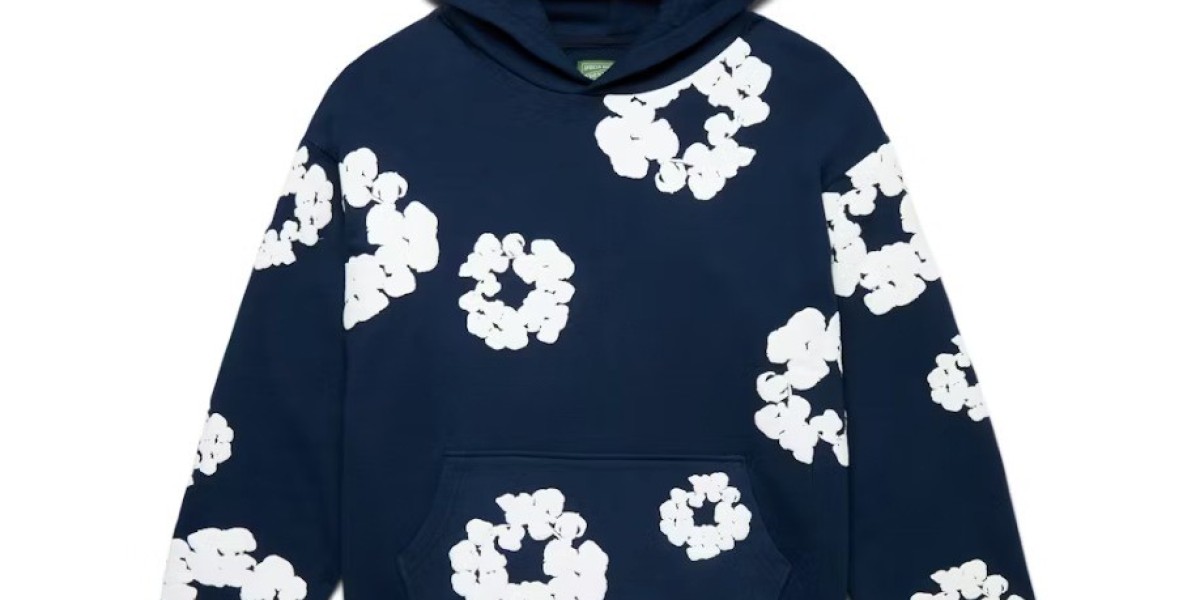
What makes Denim Tears truly powerful is its ability to merge fashion with education. You don’t need a lecture to understand its message. A cotton wreath printed across denim jeans says enough. It invites questions. It sparks dialogue. It forces people to look twice—not just at the outfit, but at the meaning behind it. That’s rare in modern fashion. And let’s be honest—people are craving authenticity. Consumers today are smarter, more curious, and more conscious. They want to know why a brand exists, not just what it sells. Denim Tears answers that question loudly and clearly. It exists to remember, to reclaim, and to reshape narratives that have long been ignored or softened.
So when we talk about Denim Tears clothing, we’re not just talking about a streetwear brand. We’re talking about a cultural movement stitched into denim, cotton, and canvas. One that refuses to be silent. One that understands that fashion can be both beautiful and brutally honest at the same time.
The Origin Story of Denim Tears
Every powerful brand starts with a story, and Denim Tears is no exception. But unlike most fashion labels born out of trend forecasting or market gaps, Denim Tears was born out of memory, reflection, and a deep need to speak truth. Its origin isn’t flashy—it’s thoughtful. And that’s exactly what gives it weight.
Denim Tears was founded by Tremaine Emory, a creative force who understood that clothing could be more than decoration. Before launching the brand, Emory spent years immersed in the fashion and creative industries, working behind the scenes with some of the most influential names in streetwear and luxury. But Denim Tears wasn’t about building another logo-driven label. It was about telling a story that had been overlooked for generations.
The brand officially emerged around 2019, but its roots stretch much deeper. Denim Tears draws inspiration from African American history, particularly the legacy of slavery and the role cotton played in building the American economy. Instead of ignoring that past or glossing over it, Emory chose to confront it head-on—using one of America’s most iconic fabrics: denim.
That choice alone was symbolic. Denim is often associated with freedom, rebellion, and everyday life. But its history is inseparable from labor, exploitation, and survival. Denim Tears lives right in that tension. It doesn’t try to make the past comfortable. It makes it visible. From the very first releases, it was clear this brand wasn’t chasing mass appeal. Pieces were limited. Messaging was direct. Designs carried emotional weight. And that’s what drew people in. Denim Tears didn’t need loud marketing—it let the work speak.
Tremaine Emory: The Visionary Behind the Brand
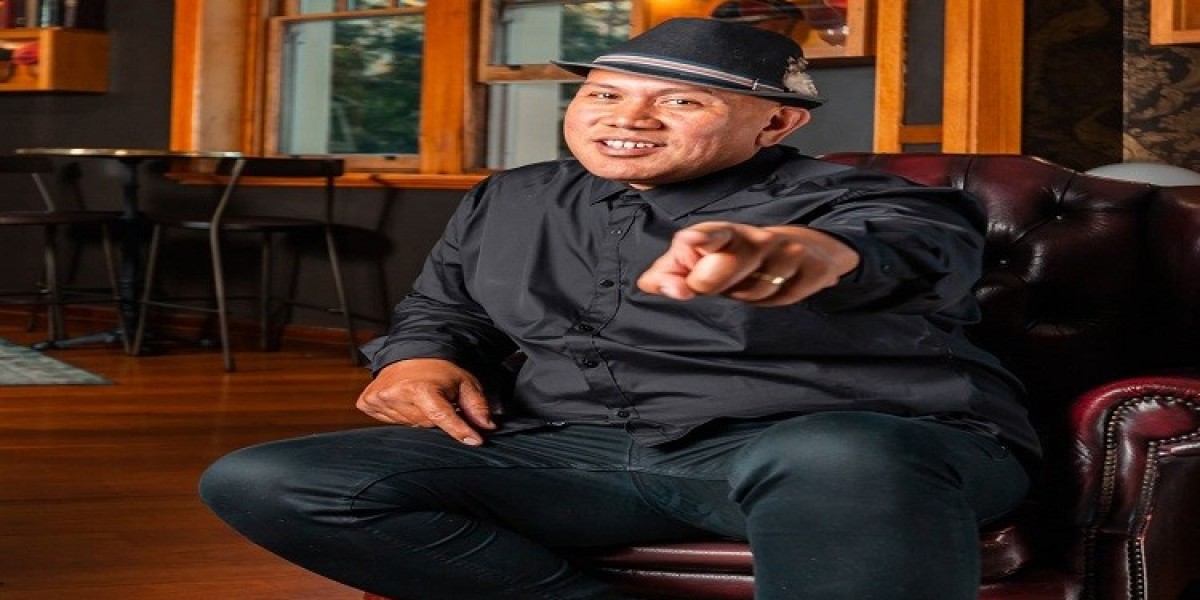
Tremaine Emory isn’t just a designer—he’s a storyteller, archivist, and cultural translator. His influence on Denim Tears clothing is deeply personal, and that’s what makes the brand feel so raw and honest. To understand Denim Tears, you have to understand the mind behind it. Before stepping into the spotlight with his own label, Emory built a reputation as a behind-the-scenes genius. He collaborated with brands like Supreme, worked closely with Kanye West, and later became the creative director of Supreme itself. But despite working at the highest levels of fashion and culture, Emory always carried a sense that something was missing. The industry, in his eyes, often borrowed from Black culture without fully honoring its roots.
Denim Tears became his response to that imbalance. Rather than creating clothes inspired by Black culture, Emory created clothes about Black history. That distinction matters. Denim Tears Hoodie His work doesn’t romanticize struggle—it documents it. It asks people to sit with uncomfortable truths instead of consuming them as trends.
Emory’s approach is deeply research-driven. He references historical documents, photographs, and personal narratives when designing collections. This is why Denim Tears clothing feels layered. You might notice a motif, but behind it lies a story—sometimes painful, sometimes empowering, always intentional.
What also sets Emory apart is his refusal to overexplain. Denim Tears doesn’t come with long captions or instruction manuals. The designs are meant to spark curiosity. If you want to understand them fully, you have to do the work. That choice respects the intelligence of the audience. In a fashion world obsessed with speed and visibility, Tremaine Emory moves differently. He creates slowly, releases intentionally, and speaks only when necessary. And through Denim Tears, he’s proven that sometimes the most powerful voice is the one that doesn’t shout—it endures.
The Philosophy Behind Denim Tears Clothing
Denim Tears clothing is built on a philosophy that challenges the traditional purpose of fashion. Instead of focusing purely on aesthetics, trends, or seasonal relevance, the brand treats clothing as a living document—something that can carry memory, emotion, and meaning across generations. At its core, Denim Tears asks a simple but uncomfortable question: What happens when fashion tells the truth?
Most brands aim to make people feel good, confident, or stylish. Denim Tears does that too, but it also makes people think. The philosophy is rooted in acknowledgment—acknowledging history rather than erasing it, acknowledging pain rather than softening it, and acknowledging identity rather than commodifying it. This is fashion that refuses to be neutral.
One of the strongest pillars of Denim Tears’ philosophy is that clothing can be a form of protest without being loud or aggressive. There are no slogans screaming across the chest. Instead, there are symbols, references, and historical cues that quietly demand attention. It’s like a whisper that somehow feels louder than a shout. You notice it because it doesn’t beg to be noticed.
There’s also an intentional resistance to overproduction. Denim Tears releases limited collections, not to artificially inflate hype, but to maintain integrity. Each piece feels considered, almost ceremonial. You’re not just buying an item—you’re participating in a moment. Ultimately, the philosophy of Denim Tears clothing is about remembrance and responsibility. It reminds us that what we wear can reflect what we stand for. And in a culture where fashion is often disposable, Denim Tears insists that meaning should never be.
Fashion as a Medium for History and Protest
Fashion has always been political, whether brands admit it or not. Denim Tears simply chooses honesty. The brand treats clothing as a medium for historical storytelling and subtle protest, proving that garments can hold just as much power as books, films, or speeches.
Denim Tears doesn’t rely on shock value. Instead, it uses symbolism rooted in real history—especially the history of African Americans whose labor built the foundation of American wealth. Cotton, denim, and workwear silhouettes are not random choices. They are deliberate references to forced labor, survival, and resilience.
What makes this approach so impactful is its accessibility. Not everyone will read a history book or attend a lecture, but people notice clothing. When someone wears Denim Tears, they become part of a visual conversation. The outfit becomes a question mark: What does that symbol mean? Why cotton? Why this imagery? In that moment, fashion becomes education.
Protest doesn’t always have to be confrontational. Denim Tears proves that it can be reflective, poetic, and deeply emotional. The brand protests erasure. It protests selective memory. And it protests the idea that fashion should exist separately from reality. There’s also a sense of reclaiming space. Historically, Black pain has often been monetized by others. Denim Tears flips that dynamic by ensuring the storytelling comes from within the culture itself. That shift matters. It changes the tone from exploitation to expression. Shop Now