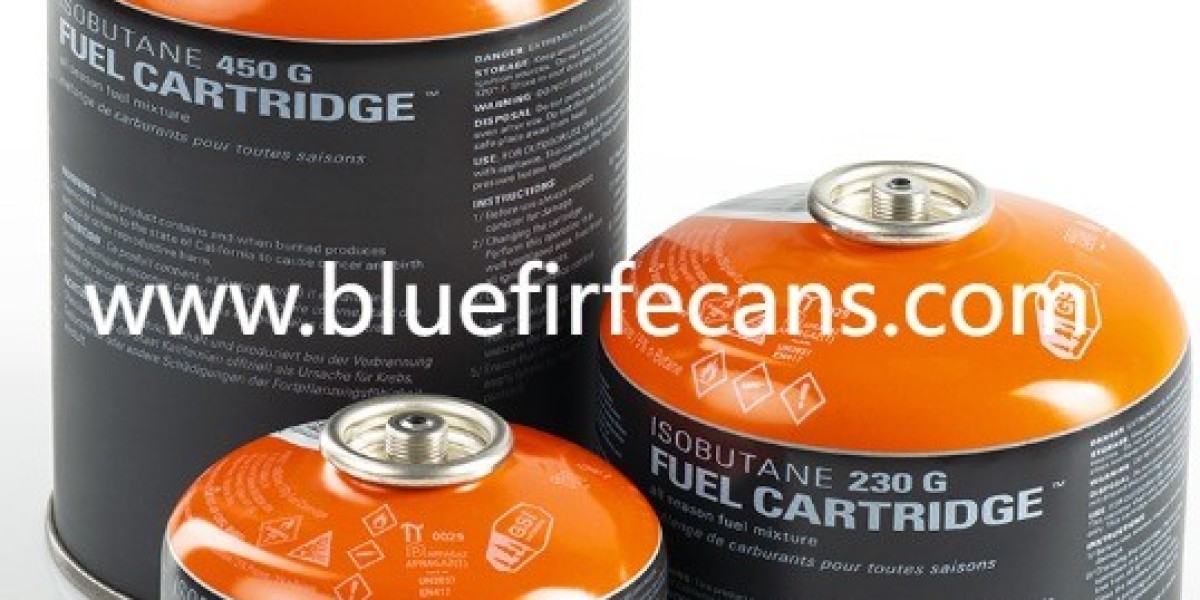
Cold weather camping has a way of revealing small design choices that matter most. On a frosty morning the difference between a stubborn stove and a steady flame often comes down to how a fuel source behaves when the air cools and vapor pressure falls. For many outdoor enthusiasts the Bluefire Camping Gas Cartridge is one option they consider when packing for chilly conditions and it helps to know what trade offs shape performance.
At the core of the issue is volatility. Gases that vaporize easily at lower temperatures give a stove a stronger steady feed when the mercury drops. That means one set of cartridges will perform better near freezing than another that needs warmth to generate pressure. But the raw statement hides a cluster of practical details. Valve design stove interface and how a person handles a container on the trail all influence how a piece of kit performs in real conditions.
Cartridge composition matters in predictable ways. A fuel that contains a higher share of lighter components tends to vaporize more readily in cold weather. That produces faster pressure buildup at the valve and steadier output under load. Conversely a heavier blend may need a warmer environment to build the same pressure which can lead to sputtering flames. For cooks and heaters working in thin air the practical effect is clear: one feed path will yield quicker boil times and fewer frustrating relights.
Valve and stove matching is the next important piece. Some valves are designed to pass a greater flow at lower inlet pressure while others need a stronger push to achieve consistent spray. If a valve restricts flow too much the stove may starve even when the cartridge contains usable vapor. That is why compatibility matters. A valve that sits loosely on a stove may leak heat into the connection or fail to seat correctly under cold conditions, so a snug reliable fit reduces heat loss and improves performance.
Handling practices that seem minor can change outcomes. Keeping a small body of warm water in a pocket to warm a cartridge for a few minutes before use helps raise vapor pressure without dangerous measures. Gently tapping or rocking a canister to redistribute cold liquid inside can also help in a pinch. The aim is not to force a quick fix but to manage temperature gently so the valve sees vapor at the rate the stove expects.
Packaging and storage matter too. Cartridges stored in vehicles that freeze overnight or left bolted to a cold stove may take longer to perform reliably. Simple habits such as storing spares inside a tent at night or avoiding prolonged exposure to wind reduce the degree to which low ambient temperature becomes an obstacle. When spares are kept at a moderate temperature they are ready to deliver predictable output when needed.
Manufacturers respond to these realities with design choices. Some offer cartridges described as butane rich that vaporize more readily in cool air while others provide blends aimed at broad performance across a range of temperatures. A valve that allows a modest flow at low pressure paired with a stove that tolerates a wider flame range will often give the most dependable experience in cold weather. Engineers test combinations to see how they respond after being chilled for long intervals and adjust sealing and flow accordingly.
Safety remains central. Trying to force a cold cartridge to operate by exposing it to open flame or by placing it in direct sunlight near a hot surface is risky. Gentle warming and careful monitoring of pressure and valve condition avoid mishaps. When attaching a cartridge to a stove check for unusual resistance or leaks and follow the device maker instructions for operation and storage.
For those who travel with a range of gear the practical choice often reflects the mission. A short winter hike where weight matters may favor a compact option that performs well near freezing. A longer backcountry stay where multiple meals are planned could justify choosing a cartridge type that gives a broader margin for comfort and easy handling. Matching stove type and your own handling habits to the fuel you pack reduces the chance of frustration.
User reports and field testing continue to shape what gets sold. Retailers and reviewers note which pairings work well in thin air and which fail when night temperatures fall. That feedback pushes small iterative improvements in valve shape and seat materials and in the guidance printed on packaging so that people make choices that match real world use rather than assumptions born in a warm kitchen.
In the end the camper who wants steady heat in cold conditions pays attention to composition valve match and handling. Choosing a cartridge that fits the stove you own keeping spares warm overnight and handling attachments with care will all help to keep a flame steady when the temperature dips. For validated supply options and practical guidance on safe storage and use visit https://www.bluefirecans.com/ .