
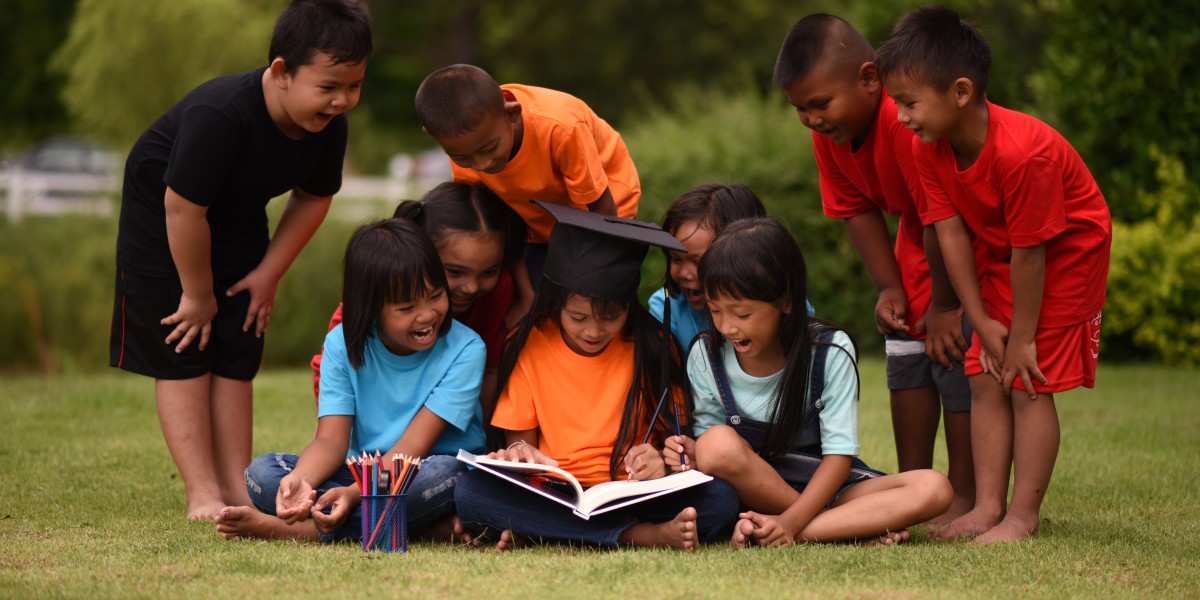
The future of each region is determined by education. When children study they become strong adults capable of sustaining their families and societies. However, when schools fail it has a long-term effect that spans generations. Families continue to find it hard to receive good education in most regions of Pakistan. This is even worse when we are discussing education in Balochistan.
This is a guest post that discusses the problems, the actual cause of the crisis, and the solutions to the problems which can bring a permanent change.
Understanding the ground reality
Balochistan is the largest province in terms of area in Pakistan yet it has the lowest literacy rates in the nation. The literacy level in certain rural districts is still below 40 percent according to the official surveys. In the case of girls the percentage is even less.
The bad education system of Balochistan is not only a lack of books and bad performance in the exams. It is a combination of the underlying ills like poverty, untrained teachers, bad infrastructure and accessibility in the remote areas.
In most of the villages, children have to walk a number of kilometers to access a rudimentary primary school. There are schools that do not have good buildings. Some of them do not have electricity, clean water, or toilets. These circumstances deter attendance particularly in girls.
Why education matters for long term growth
Education is better than reading and writing abilities. It alleviates poverty, enhances health awareness, and it provides employment. Research indicates that each additional year of education has a positive effect on an individual in terms of earning power.
By educating the people in Balochistan better we also empower the economy of the region.Young talents can open business, get jobs, and lack reliance on external assistance. Education also minimizes the crime rate and leads to social harmony.
As experts tend to say, there is no other development project that offers high returns as compared to investing in education. The difficulty is to put that faith into practice.
Key causes behind the crisis
Lack of infrastructure
Many schools operate in damaged buildings or open spaces. Without safe classrooms, children cannot focus. Parents also hesitate to send their daughters to unsafe environments.
Teacher shortages and training gaps
In some districts, one teacher handles multiple grades at the same time. Overworked teachers cannot give personal attention to students. Training programs are limited, and professional development remains weak.
Improving teacher quality can directly improve learning outcomes. Countries that invest in teacher training see better student performance within a few years.
Poverty and child labor
In low-income families, children often work to support household expenses. Education becomes secondary when daily survival is at risk. Financial hardship plays a major role in the poor education system in Balochistan.
When families struggle to afford food, transport, or school supplies, dropout rates increase.
The gender gap challenge
Girls face additional barriers. Cultural norms, safety concerns, and lack of female teachers discourage female enrollment. In some rural areas, parents do not send daughters to school if no female teacher is available.
Providing secure transport, hiring female staff, and building separate facilities can improve girls’ participation.
When girls receive education, communities benefit in many ways. Educated women are more likely to ensure their own children attend school, creating a positive cycle.
The role of community involvement
Sustainable change begins at the local level. When communities take ownership of schools, improvements last longer. Parent-teacher meetings, school committees, and local monitoring systems increase accountability.
Many families want better opportunities for their children. They simply need guidance and support.
This is where an NGO for child education can make a real difference. By working directly with communities, such groups can identify urgent needs and provide targeted solutions.
How targeted interventions can help
Building and repairing schools
Safe classrooms encourage attendance. Even small improvements like clean water and functional toilets increase student retention.
Teacher support programs
Regular workshops, mentorship, and performance tracking help teachers improve. Technology-based training can also reach remote areas.
Scholarships and stipends
Financial assistance encourages families to keep children in school. Conditional cash transfer programs in different countries have proven successful in reducing dropout rates.
Digital learning tools
Simple digital platforms and recorded lessons can support learning where teachers are limited. While internet access remains a challenge in some regions, gradual improvements in connectivity offer hope.
Several initiatives supported by an NGO for child education have already shown that even modest investments can improve attendance and literacy levels within two to three years.
Government responsibility and policy reform
The government plays a central role in funding and policy planning. Increasing education budgets, ensuring transparency, and focusing on rural districts can bring visible progress.
Long-term planning must address teacher recruitment, school maintenance, and regular monitoring. Without consistent oversight, resources may not reach the right places.
Experts suggest that partnerships between public institutions and civil society can speed up reform. When all stakeholders collaborate, impact multiplies.
Hope for the future
Despite challenges, there are signs of progress. Awareness about the importance of education in Balochistan is increasing. Community-led schools, teacher volunteer programs, and scholarship schemes show that change is possible.
The youth of Balochistan have talent and determination. With the right support, they can contribute to technology, business, education, and public service sectors across the country.
The key lies in consistent effort. Short-term campaigns cannot solve long-term problems. Sustainable reform requires patience, funding, and commitment.
Final thoughts
The low education of Balochistan does not have benefits to children alone, but to the future of the whole province. By neglecting the problem, one will increase economic and societal disparities.
Major potentials can be unlocked by dealing with it with practical solutions. Opportunity is the product of education.Stability is brought about by opportunity.Prosperity is generated by stability.
Education in Balochistan can also be enhanced gradually when the collaboration of families, policymakers, teachers, and community leaders is put into place. The destination is not that far and the reward is priceless.
FAQs
Why does Balochistan have lower literacy rates than other provinces?
Factors such as poverty, remote geography, weak infrastructure, and teacher shortages contribute to lower literacy levels.
How can communities support better schooling?
Communities can monitor school attendance, encourage girls’ education, and participate in local school committees.
What role do non profit groups play?
An NGO for child education can provide resources, training, scholarships, and community awareness programs to improve learning access.
Is improving education expensive?
While reform requires investment, education offers long-term economic and social returns that outweigh the initial costs.
How can individuals contribute?
People can volunteer, support scholarship programs, raise awareness, and advocate for policy improvements focused on children’s learning.