
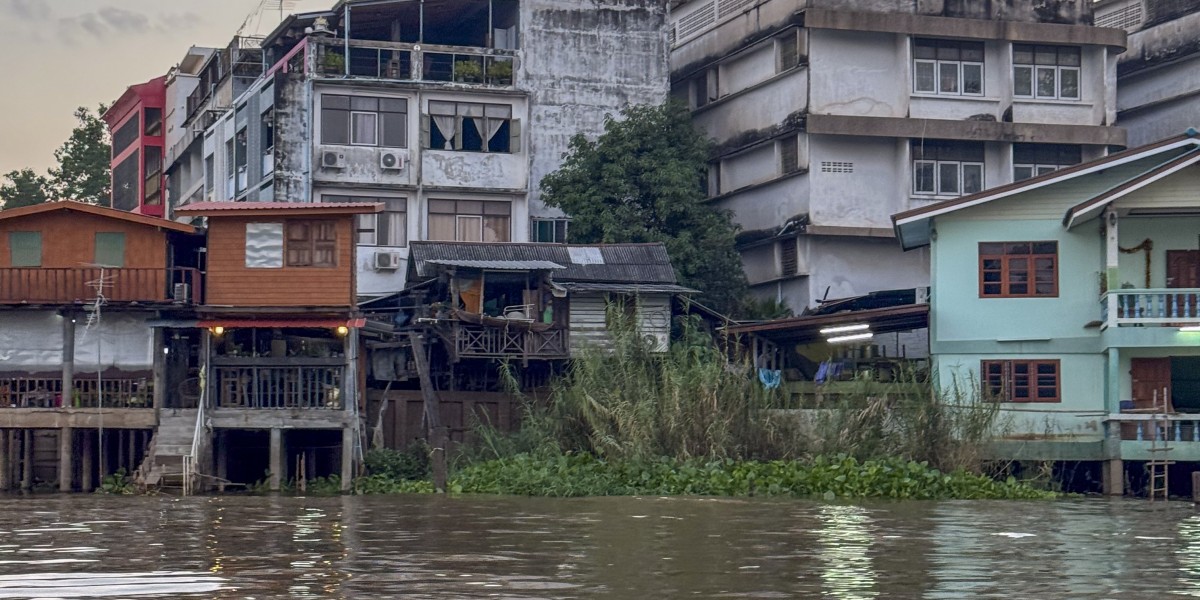
Disaster is not only the destroyer of homes when it hits. It interferes with families, education, health and livelihoods. The new flood crisis has seen millions of people struggling to rebuild and survive. Highways fell down, harvests were lost, and villages were displaced.
Relief in such circumstances is not just concerning emergency food and shelter. It is to regain dignity and hope. This guest post describes how communities will be revived, why smart donations are important and how people can make a tangible difference by being responsible in their giving.
The scale of destruction
Pakistan has experienced floods that have impacted millions of people in recent years. Based on official disaster reports more than 33 million people were affected by the worst flood cycle. Houses, schools and medical facilities were destroyed in provinces.
The effects of a flood are more than just the physical devastation. When the farmland is destroyed, families lose income. When schools are closed, children will miss months of school. Water pollution and the proliferation of water borne diseases are some of the health hazards.
The reconstruction, following such a disaster, cannot be done merely by hiring temporary assistance. It requires a lot of planning and maintenance.
Why immediate relief matters
Food and clean water
In the first weeks after flooding, access to clean water becomes critical. Floodwaters often mix with sewage, increasing the risk of diseases such as cholera and diarrhea.
Emergency food supplies also prevent malnutrition, especially among children and elderly people. Relief teams focus on providing dry rations, clean drinking water, and hygiene kits.
Temporary shelter
Thousands of families lose their homes overnight. Tents and temporary shelters protect them from harsh weather conditions and reduce further health risks.
This is why many people choose to donate for Pakistan floods during the emergency phase. Quick action saves lives and prevents further suffering.
Moving from relief to recovery
Emergency aid is only the first step. Real recovery takes months or even years.
Rebuilding homes
Safe housing restores stability. Construction experts recommend flood-resistant materials and improved drainage systems to reduce future risk.
Community-led rebuilding programs often train local workers, which helps generate income while repairing infrastructure.
Restoring livelihoods
Many families depend on agriculture. When crops are destroyed, farmers need seeds, tools, and financial assistance to restart their work.
Small businesses also need support. Micro-grants and skill training help families regain independence rather than depend on aid for long periods.
The role of faith-based giving
For many Muslims, times of crisis are moments to fulfill religious obligations through charity. Choosing to donate zakat during a disaster ensures that funds reach those who are most vulnerable.
Zakat is not just charity. It is a structured system designed to reduce inequality and support those in need. Flood-affected families often fall under eligible categories because they have lost homes, income, and security.
By choosing to donate, individuals combine spiritual responsibility with social impact. This approach strengthens community bonds and promotes shared responsibility.
Why structured donations create lasting impact
Unplanned giving can help in the short term, but structured programs create sustainable results.
Experts in humanitarian response emphasize three key principles:
- Transparency in fund distribution
- Focus on long-term recovery
- Community involvement in rebuilding efforts
When people donate for Pakistan floods, they should look for initiatives that provide clear reporting and measurable outcomes. For example, rebuilding 100 homes or restoring 500 acres of farmland shows direct impact.
Data-driven programs ensure funds reach families efficiently and reduce waste.
Health and mental support
Flood survivors often experience trauma. Losing homes and loved ones leaves emotional scars that last for years.
Mental health support is as important as physical rebuilding. Counseling services and child-friendly spaces help restore emotional well-being.
Healthcare camps also play a key role. Doctors provide vaccinations, maternal care, and treatment for infections that spread after floods.
Addressing both physical and emotional needs speeds up community recovery.
Climate resilience for the future
Climate experts warn that extreme weather events are becoming more frequent. Sustainable recovery must include preventive strategies.
These include:
- Improved drainage systems
- Early warning systems
- Stronger infrastructure planning
- Community disaster education
Investing in resilience reduces the impact of the next disaster. It shifts the focus from repeated emergency response to long-term protection.
Community power makes the difference
One powerful example comes from rural areas where local volunteers worked together to rebuild schools before government aid arrived. Parents, teachers, and youth groups cleaned debris and repaired classrooms with donated materials.
Such efforts show that recovery is strongest when communities take ownership of rebuilding.
External donations support these efforts, but local participation ensures sustainability.
Responsible giving tips
If you want your contribution to create real change, consider these steps:
- Research how funds are used
- Support long-term recovery, not only emergency relief
- Ensure transparency and accountability
- Combine financial aid with awareness efforts
Every small action counts. Even modest contributions can provide clean water for families or school supplies for children.
A shared responsibility
Flood recovery is not only the responsibility of authorities. It is a shared human duty. Collective action accelerates recovery whether the means is through financial aid, awareness campaigns or volunteering.
Whenever people unite to donate on pakistan floods, they are ceding to the reconstruction of houses, livelihoods, and future generations.
Empathy based charity brings permanent change.
FAQs
Why are floods in Pakistan so destructive?
Pakistan faces heavy monsoon rains and glacier melting, which increase water levels rapidly. Weak infrastructure in some regions also increases vulnerability.
How does zakat help flood victims?
Zakat provides financial support to eligible individuals who have lost homes, income, and stability. It allows them to rebuild with dignity.
Is emergency aid enough for recovery?
No. Emergency aid addresses immediate needs, but long-term recovery requires rebuilding homes, restoring livelihoods, and improving infrastructure.
How can I ensure my donation makes impact?
Choose initiatives that provide transparency, clear reporting, and focus on sustainable rebuilding.
Can small donations really help?
Yes. When many people contribute small amounts, the combined impact can rebuild entire communities.