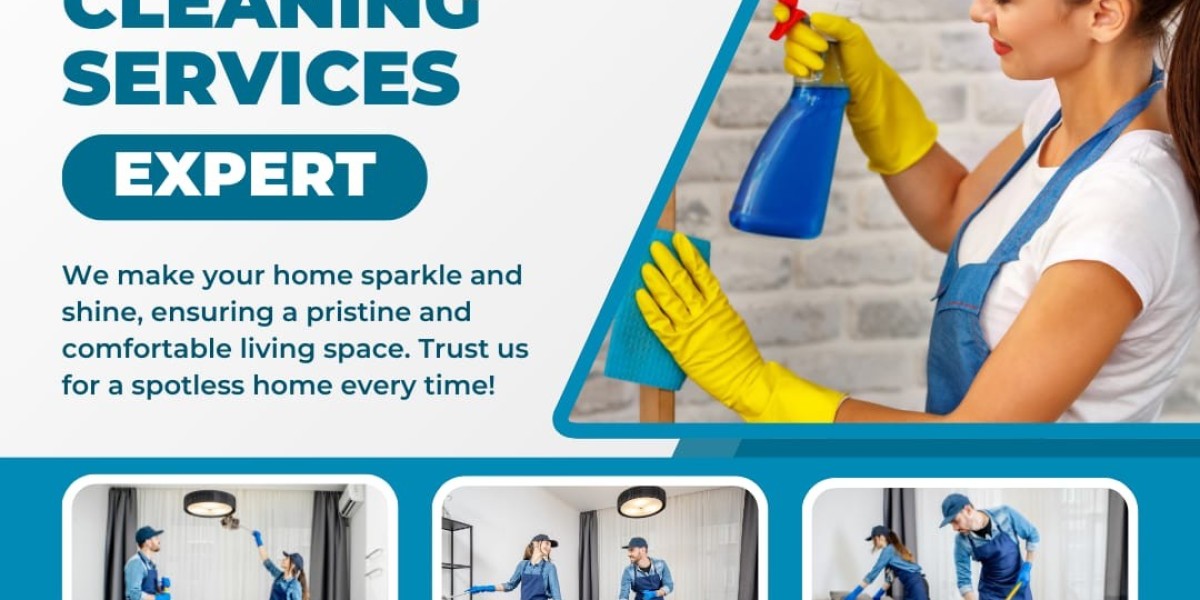
What Cleaning Tasks Are Included in a Standard Commercial Clean?
Clean workspaces support health and productivity by lowering sick days and helping staff focus. A standard commercial clean usually covers the essentials that keep a site hygienic and organised, with extra attention on high-traffic zones and common touchpoints. In most offices, that means emptying rubbish and recycling, dusting surfaces and furniture, vacuuming carpets, sweeping and mopping hard floors, and cleaning and disinfecting restrooms. It also includes sanitising high-touch points like handles and switches, wiping desks and shared workstations, and keeping kitchens safe by cleaning benches and appliances such as microwaves and fridges. Many services also restock consumables like soap, paper towels and toilet paper, spot clean glass for a neat look, and reduce dust build-up by cleaning higher areas like vents and light fixtures. Depending on the site, cleaners may add floor buffing or polishing for presentation and safety, plus disinfecting office equipment like phones and keyboards. While the core tasks stay consistent, the exact scope and frequency shift based on your industry, foot traffic, and hygiene needs, with daily basics and weekly deeper work being the most common setup.
Detailed Explanation of Core Cleaning Tasks
Cleaners group tasks by area for efficiency. This ensures nothing gets missed. They use checklists to track progress. Below, I break down the main categories.
1. Floor Maintenance
Floors see the most wear in commercial spaces. Cleaners start here to avoid tracking dirt. They vacuum carpets to remove dust and allergens. For hard floors, they sweep away debris first. Then, they mop with disinfectant solutions. In high-traffic spots, they buff surfaces for slip resistance. This prevents accidents and extends floor life. For example, in an office lobby, daily vacuuming keeps mats clean and welcoming.
2. Surface Dusting and Wiping
Dust builds up fast on desks and shelves. Cleaners dust all horizontal surfaces. They use microfiber cloth to trap particles. Next, they wipe down tables and counters with sanitizers. This removes fingerprints and spills. In shared workspaces, they focus on collaborative areas. High dusting covers vents and lights. This improves air quality and lighting. A real-world tip: Schedule this weekly to reduce allergy risks for staff.
3. Restroom Hygiene
Restrooms need thorough attention for health reasons. Cleaners disinfect toilets, urinals, and sinks. They scrub fixtures to kill bacteria. Mirrors get wiped for streak-free shine. Floors mop up water and grime. They restock essentials like paper products. Partitions and doors get sanitized too. Post-pandemic, many add extra disinfection rounds. This builds trust with employees and visitors.
4. Kitchen and Break Room Care
Kitchens harbor germs from food. Cleaners wipe counters and cabinets. They clean inside microwaves and fridges. Sinks get scrubbed to prevent mold. Appliances shine after exterior polishing. Tables clear of crumbs. This area often includes dishwashing if needed. Eco-friendly cleaners use green products here to avoid chemical residues on food surfaces.
5. Waste Management
Trash removal seems simple but matters a lot. Cleaners empty all bins nightly. They replace liners to keep odors down. Recycling sorts paper, plastics, and cans. This supports sustainability goals. In larger facilities, they compact waste for efficiency. A common mistake: Overfilling bins leads to pests. Proper handling saves money on pest control.
These tasks form a solid foundation. They align with best practices from my experience managing diverse sites.
Variations in Cleaning Schedules: Daily, Weekly, Monthly
Not all tasks happen every day. Schedules vary to fit budgets and needs.
Daily tasks handle basics. Cleaners empty trash, sanitize touchpoints, and mop spills. This keeps spaces usable.
Weekly duties go deeper. They include high dusting, carpet shampooing in spots, and detailed kitchen cleans. For example, vacuum upholstery to remove embedded dirt.
Monthly or quarterly tasks cover extras. Cleaners strip and wax floors. They wash windows fully. Deep clean vents for better airflow.
Industry adaptations matter too. Offices focus on desks. Retail adds display wiping. Healthcare emphasizes disinfection without specifics. Customize based on foot traffic.
Routine Clean vs. Deep Clean Comparison
Aspect | Routine clean (maintains) | Deep clean (restores) |
Floors | Vacuum, sweep, mop, spot clean marks | Scrub, stain treatment, edges and corners, machine clean, polish or seal prep if needed |
Surfaces | Dust and wipe desks, counters, tables | Detailed wipe of all surfaces, behind items, higher ledges, buildup removal |
Restrooms | Clean and disinfect toilets, sinks, mirrors, restock | Descale taps and toilets, grout detail, vents and walls, deep sanitise touchpoints |
Kitchens | Wipe benches, sinks, external appliance wipe | Degrease splashbacks, inside microwave and fridge if requested, detail handles and edges |
Waste | Empty bins, replace liners, tidy bin areas | Deep clean bin areas, remove grime and odours, disinfect bin lids and surrounding surfaces |
Routine maintains; deep restores.
Benefits of Standard Commercial Cleaning
Standard cleans offer more than tidiness. They improve health by cutting germ spread. Employees report fewer illnesses. Productivity rises in clean environments. One study links tidy desks to 15% better focus.
Cost savings come from preventive care. Clean floors last longer. Fewer repairs mean lower expenses. Eco options reduce environmental impact. Plus, a spotless space impresses clients. It builds your brand's image.
Post-pandemic, hygiene ties to wellness. Regular disinfection eases anxiety. Green products add value by being safer for staff.
Tips for Choosing a Commercial Cleaning Service
Pick wisely to get results. Ask about their checklists. Ensure they cover your core needs. Check for eco-friendly options if sustainability matters.
Review schedules. Match them to your operations. For night shifts, opt for after-hours service.
Seek references. Talk to past clients. Look for insured teams to protect your assets.
Avoid low bids. They might skip tasks. Focus on value. A good service saves time and hassle.
Common mistakes: Ignoring contracts. Always detail tasks in writing. Overlooking training—ensure cleaners know safety protocols.
Eco-Friendly Cleaning Alternatives
Go green for better results. Use plant-based cleaners. They work well without harsh fumes. Microfiber tools cut water use.
Switch to HEPA vacuums. They trap more dust. Recycle supplies where possible.
These options cost similar but benefit health. In my experience, clients see happier teams with fewer allergies.
For a customizable checklist, imagine one with columns for daily/weekly tasks. Add your specifics like extra kitchen focus. Download a template online and tweak it.
Conclusion
Standard commercial cleans include essential tasks like floor care, dusting, and disinfection. They vary by schedule and industry but always aim for health and efficiency. Benefits range from cost savings to better productivity. Assess your space's needs. Consider traffic and staff input. This ensures the right fit. Now, check these FAQs for more insights.
Frequently Asked Questions
1. What is included in a standard commercial cleaning service?
Ans. A standard service covers core tasks like emptying trash, dusting surfaces, and vacuuming floors. It also includes disinfecting restrooms and sanitizing high-touch areas. Cleaners adapt the list to your space for full coverage.
2. How often should commercial cleaning be performed?
Ans. Daily cleaning handles basics like trash removal and touchpoint sanitization. Weekly tasks cover deeper duties such as high dusting. Monthly cleans manage extras like floor waxing, based on your facility's usage.
3. What is the difference between routine and deep commercial cleaning?
Ans. Routine cleaning maintains daily hygiene with tasks like mopping and wiping. Deep cleaning restores spaces through scrubbing grout or shampooing carpets. Routine prevents issues; deep tackles buildup.
4. What questions should I ask when hiring a commercial cleaning company?
Ans. Inquire about their task checklists and scheduling options. Ask for proof of insurance and staff training. Discuss customization for your industry to ensure a good match.
5. How much does commercial cleaning cost?
Ans. Costs vary by space size and frequency, often $0.10 to $0.30 per square foot. Daily services cost more than weekly. Get quotes based on your needs for accurate pricing.
6. What equipment and supplies do commercial cleaners use?
Ans. Cleaners use vacuums, mops, and microfiber cloths for efficiency. They bring disinfectants, trash liners, and eco-friendly products. Specialized tools like buffers handle floors.
7. Is commercial cleaning different from janitorial services?
Ans. Commercial cleaning focuses on professional spaces with scheduled tasks. Janitorial services often include ongoing maintenance like supply restocking. Both aim for cleanliness but janitorial may be more daily-oriented.
8. How can I ensure the cleaning service meets health and safety standards?
Ans. Check for certifications in hygiene protocols. Review their use of EPA-approved disinfectants. Request safety training records to confirm compliance.
9. What are the benefits of hiring a professional commercial cleaner?
Ans. Professionals save time and ensure thorough results. They reduce health risks and extend asset life. Outsourced services often cost less than in-house teams.
10. Can commercial cleaning services be customized for specific industries?
Ans. Yes, services tailor tasks to needs like extra disinfection in retail. Offices might focus on desks, while kitchens emphasize food areas. Discuss your requirements for a personalized plan.