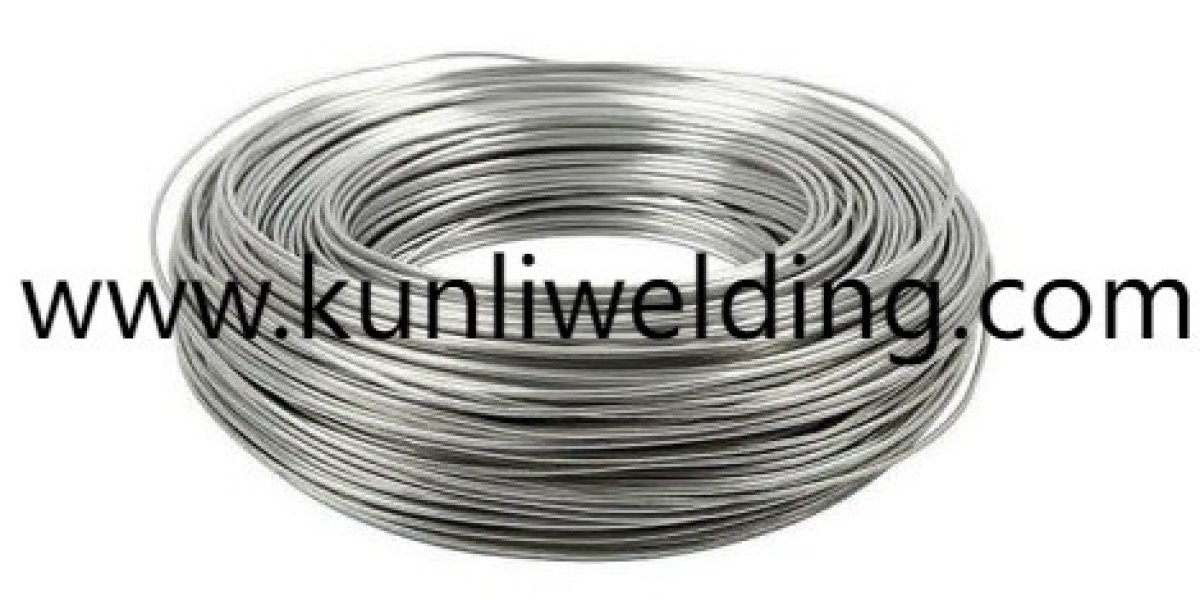
Marine environments impose relentless challenges on fabricated structures through constant exposure to saltwater, humidity, and atmospheric corrosion. Shipbuilders and marine equipment manufacturers require filler materials that can withstand these harsh conditions while maintaining structural integrity over extended service periods. Aluminum Welding Wire ER5087 has become a frequently specified consumable for marine grade applications, offering specific properties that address the unique demands of saltwater exposure and maritime operational stresses.
Corrosion resistance stands as the primary requirement for any material destined for marine service. Saltwater accelerates oxidation processes that rapidly degrade unsuitable metals. Magnesium content within filler wires creates protective oxide layers that shield underlying metal from continuous moisture attack. The specific magnesium levels in marine grade filler materials strike a balance between corrosion protection and mechanical strength. Too little magnesium leaves joints vulnerable to pitting and crevice corrosion, while excessive amounts can reduce ductility and increase cracking susceptibility during welding.
Strength retention in corrosive environments separates marine suitable materials from general purpose consumables. Welds must maintain load bearing capacity even as surface oxidation occurs over time. The alloy chemistry determines how quickly strength degradation progresses when exposed to saline conditions. Marine grade filler wires produce deposits that resist strength loss through stable microstructures that tolerate surface corrosion without compromising internal integrity. This property proves critical for hulls, bulkheads, and structural frameworks that support vessel operations.
Stress corrosion cracking represents a significant failure mode in marine aluminum structures. The combination of tensile stress and corrosive media creates conditions where cracks initiate and propagate through otherwise sound material. Filler wire composition influences susceptibility to this phenomenon through grain boundary chemistry and precipitate distribution. Materials designed for marine applications incorporate elements that minimize grain boundary weakness and reduce crack propagation rates under sustained stress in saltwater environments.
Weldability under field conditions matters considerably for marine fabrication. Ship construction and repair often occur in less controlled environments than factory settings. Moisture in the air, wind, and temperature fluctuations affect welding processes. Aluminum Welding Wire ER5087 demonstrates stable arc characteristics and consistent feeding properties that help welders maintain quality even when working aboard vessels or in shipyard conditions. The wire surface chemistry resists contamination pickup from humid air, reducing porosity formation during outdoor welding operations.
Fatigue resistance becomes crucial for structures subjected to wave action and vibration. Marine vessels experience constant cyclic loading from ocean swells, engine vibration, and cargo shifting. Weld joints must endure millions of stress cycles without developing fatigue cracks. The filler material microstructure influences crack initiation resistance and propagation rates. Fine grain structures with uniform precipitate distribution demonstrate better fatigue performance than coarse or irregular microstructures. Marine grade consumables produce deposits specifically engineered to handle these repetitive loading conditions.
Anodic protection compatibility influences material selection for marine applications. Some aluminum structures receive protective coatings or cathodic protection systems to extend service life. The filler wire composition must remain electrochemically compatible with these protection schemes. Mismatched materials can create galvanic cells that accelerate rather than prevent corrosion. Marine grade filler wires maintain similar electrochemical potentials to the base metals they join, ensuring uniform protection system performance across welded assemblies.
Toughness at varying temperatures supports marine operations across different climates. Vessels travel between tropical and arctic waters, exposing structures to significant temperature ranges. Aluminum Welding Wire ER5087 creates weld deposits that maintain impact resistance and ductility across broad temperature spectrums. Brittle fracture risks decrease when materials retain toughness during cold water operations, while softening resistance matters in warmer environments.
Thickness variations in marine structures demand filler materials that perform across different joint configurations. Hulls incorporate both thin plating and thick structural members. The same filler wire must produce sound welds in sheet material without burn through while also achieving adequate penetration in heavy sections. Versatile marine grade consumables accommodate these varying applications through balanced melting characteristics and weld pool control.
Aluminum brazability sometimes factors into marine repairs where heating entire sections proves impractical. Certain filler compositions support both fusion welding and lower temperature joining methods. This flexibility allows fabricators to select appropriate techniques based on access constraints and heat input limitations during vessel maintenance. For comprehensive information on marine welding solutions and technical specifications, access detailed resources at https://kunliwelding.psce.pw/8hphzd supporting quality fabrication decisions for demanding saltwater applications.