Lithium strip is a highly reactive, lightweight metal widely used in laboratories, industrial processes, and battery technology. As global demand for lithium-based solutions continues to rise, sourcing high purity lithium metal from a reliable supplier has become crucial for manufacturers, researchers, and engineers. High purity lithium strip ensures consistent performance, safety in handling, and optimal results in applications ranging from battery production to chemical synthesis and alloy manufacturing.
High purity lithium metal has a density of approximately 0.534 g/cm³, making it the lightest solid metal. Its unique properties, including excellent electrochemical potential, high reactivity, and malleability, make lithium strip indispensable in modern industrial and research applications. Because lithium is extremely sensitive to moisture and air, it must be produced, packaged, and stored under controlled conditions to maintain stability and purity.
Understanding High Purity Lithium Strip
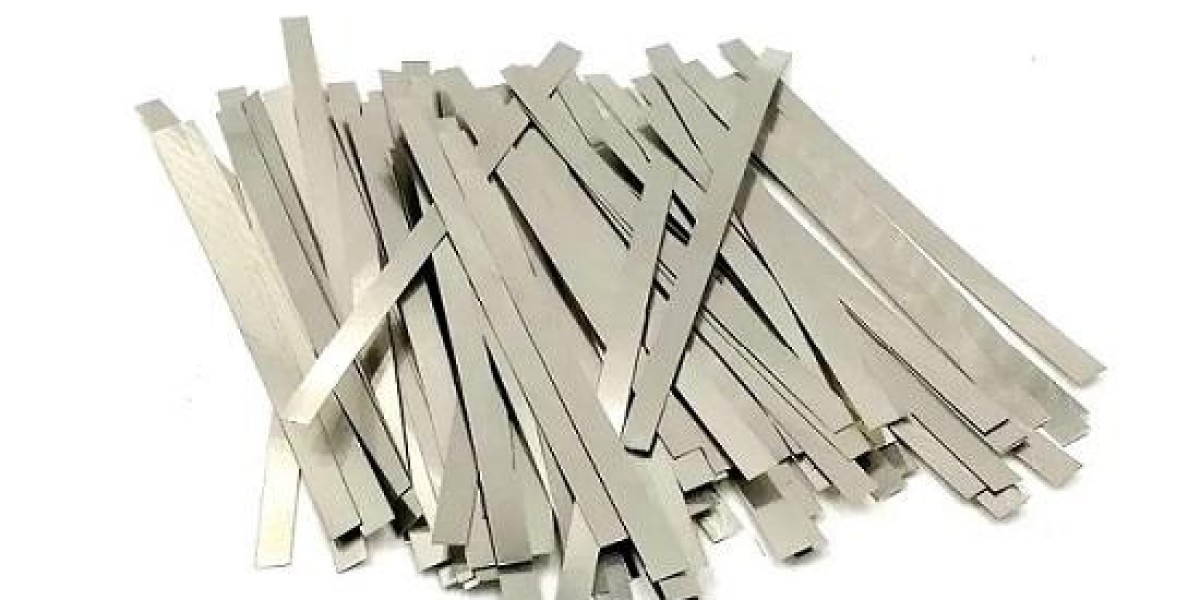
Lithium strip is a thin, flat form of lithium metal supplied in coils, ribbons, or cut lengths. Freshly cut lithium is silvery-white, soft, and easily shaped to meet application requirements. High purity lithium strip is manufactured to ensure uniform thickness, chemical stability, and minimal contamination.
Purity is a key factor, with most lithium strips ranging from 99 percent to 99.9 percent or higher. Ultra-high purity grades are used in applications where even trace contaminants like sodium, potassium, or calcium could interfere with chemical reactions, electrochemical performance, or alloy quality. Lithium strip is typically stored under inert gas or submerged in mineral oil to prevent oxidation and maintain its reactive properties.
Specifications of Lithium Strip
High purity lithium strip comes with well-defined specifications to ensure consistency and reliability.
Purity levels are critical, ranging from 99 percent to 99.9 percent or higher depending on the intended application. Impurities are strictly controlled to maintain electrochemical performance and chemical stability.
Density is approximately 0.534 g/cm³, contributing to lithium’s lightweight characteristics and energy potential in battery applications. Uniform density across the strip ensures consistent material behavior in industrial and laboratory processes.
Thickness and width can be customized according to the needs of the application. Thin lithium foils are preferred for battery research, while thicker strips are suitable for chemical synthesis and metallurgical processes. Smooth surface finish and precise dimensions prevent handling issues and improve process efficiency.
Packaging is equally important for preserving quality. Lithium strips are usually vacuum-sealed, packed under inert gas, or submerged in mineral oil to prevent oxidation and moisture contact. Proper packaging extends shelf life and ensures safe transportation.
Manufacturing Process of Lithium Strip
The production of high purity lithium strip begins with the extraction and purification of lithium from mineral ores or brine solutions. Lithium salts such as lithium chloride are refined and then converted to metallic lithium through electrolysis.
Once refined, lithium is cast into ingots and rolled into thin strips using specialized equipment in controlled environments with extremely low humidity. The rolling process ensures uniform thickness, smooth surfaces, and consistent density across the strip.
After rolling, strips are cut to size based on customer requirements and immediately packaged under protective conditions. Quality control processes include chemical analysis to verify purity, dimensional inspections to confirm thickness and width, and surface evaluation to ensure defect-free material.
Professional suppliers prioritize safety and contamination control, ensuring each batch of lithium strip meets industrial and laboratory standards.
Industrial Applications of Lithium Strip
High purity lithium strip has a wide range of applications across industries due to its lightweight, reactive, and electrochemical properties.
In battery technology, lithium strip is used as an anode material in lithium-ion batteries and experimental lithium metal batteries. Its high energy density and lightweight properties make it ideal for advanced energy storage solutions. Uniform density and high purity are critical to ensure consistent electrochemical behavior and maximize battery efficiency.
In chemical synthesis, lithium metal strip acts as a strong reducing agent in organometallic reactions and the production of lithium-based compounds. It enables efficient reactions, predictable yields, and reliable product quality in laboratories and industrial chemical processes.
In metallurgy, lithium is incorporated into aluminum-lithium alloys, which are widely used in aerospace, automotive, and defense industries. Lithium improves the strength-to-weight ratio of alloys, enhancing performance while reducing overall weight.
Laboratories utilize lithium strip for research in electrochemistry, organic chemistry, and material science. Ultra-high purity lithium ensures accurate experimental results and reduces the risk of unwanted side reactions.
Lithium strip also finds applications in nuclear research, tritium production, and thermal energy systems, highlighting its versatility across advanced technological sectors.
Importance of Purity and Quality Control
Purity is essential when selecting lithium strip. Even trace impurities can impact battery performance, reduce alloy quality, and interfere with chemical reactions. High purity lithium strip guarantees predictable electrochemical properties, reliable experimental outcomes, and consistent industrial performance.
Quality control measures include chemical composition analysis, surface inspection, and dimensional verification. Certificates of analysis from reputable suppliers confirm the material meets required standards and specifications. Reliable suppliers also provide handling instructions and safety guidelines, ensuring that the lithium strip can be used safely in laboratory and industrial environments.
Storage and Safety Considerations
Due to its high reactivity, lithium strip must be stored and handled with care. Exposure to air or moisture can cause oxidation, compromising its purity and functionality.
Lithium strips should be stored in airtight containers under inert gas or submerged in mineral oil. Maintaining low humidity conditions is essential for preventing degradation.
Protective equipment such as gloves, goggles, and safety clothing is necessary when handling lithium strip. Suppliers provide detailed safety instructions to minimize the risk of accidents and ensure proper handling during cutting, shaping, or incorporation into industrial processes.
Advantages of Partnering with a Reliable Lithium Strip Supplier
Choosing a trusted lithium strip supplier offers numerous benefits. Consistent high purity ensures predictable performance for battery applications, chemical synthesis, and alloy production. Customizable thickness and width options allow adaptation to specific laboratory or industrial requirements. Secure packaging protects against contamination and oxidation during transportation.
Technical support from an experienced supplier helps select the appropriate lithium grade, size, and packaging for different applications. A reliable supply chain ensures uninterrupted availability, supporting ongoing research, manufacturing, and industrial processes.
Related Keywords
High purity lithium metal
Battery grade lithium strip
Custom lithium foil supplier
Industrial lithium strip
Lithium metal ribbon
Electrochemical lithium strip
Laboratory lithium metal
Alkali metal strip
Integrating these related terms naturally throughout the content improves SEO performance while maintaining a professional and human tone.
FAQs
What purity levels are available for lithium strip?
High purity lithium strip is typically available from 99 percent to 99.9 percent or higher depending on application requirements.
What is the density of lithium metal strip?
Lithium metal has a density of approximately 0.534 g/cm³, making it extremely lightweight.
How should lithium strip be stored?
Lithium strip should be stored under inert gas, vacuum packaging, or submerged in mineral oil to prevent oxidation and moisture exposure.
Which industries use lithium strip?
Battery research, chemical synthesis, metallurgy, aerospace, pharmaceutical production, and nuclear research commonly use high purity lithium strip.
Can lithium strip be customized?
Yes, manufacturers offer custom thickness, width, and length options to meet laboratory and industrial application needs.
Conclusion
High purity lithium strip is an essential material for laboratory research, industrial processes, and battery applications. Its lightweight structure, controlled density, and high reactivity make it a critical component in lithium-ion batteries, chemical synthesis, alloy manufacturing, and advanced research.
Partnering with a reliable lithium strip supplier ensures consistent quality, safe packaging, customizable dimensions, and technical support. From energy storage solutions and aerospace alloys to chemical production and laboratory experimentation, high purity lithium strip provides reliable performance, operational safety, and long-term efficiency.
Understanding the specifications, grades, density, and industrial applications of lithium strip allows researchers and manufacturers to select the right material for their specific needs, supporting innovation and excellence in lithium-based technologies.