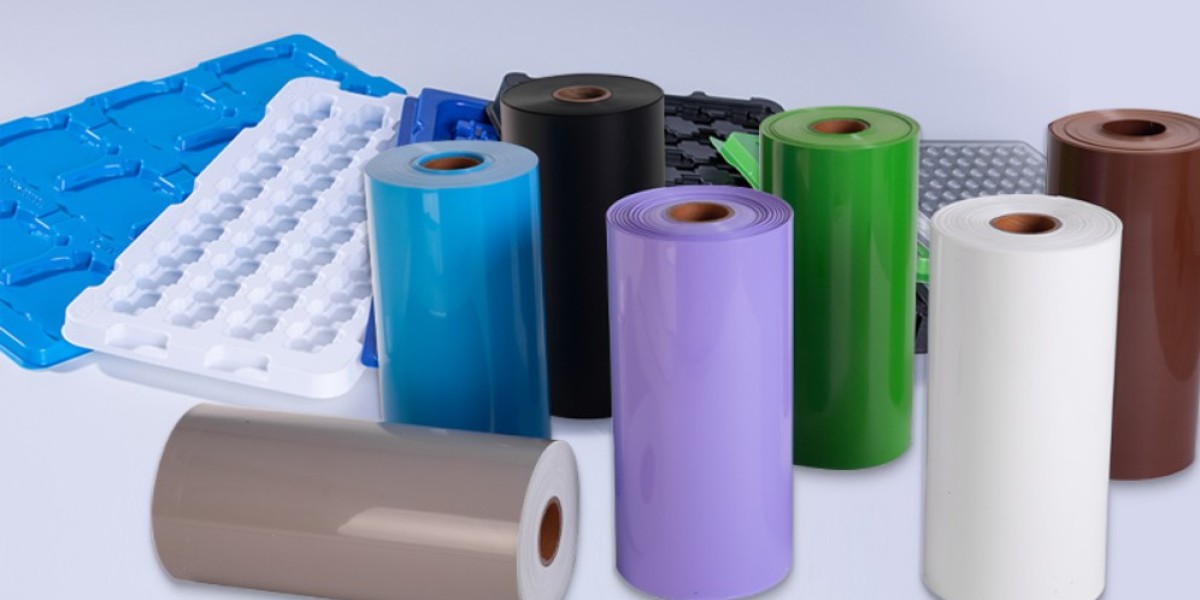
Electrostatic discharge (ESD) is a common issue in electronics manufacturing, affecting both production efficiency and component safety. Using conductive polymer materials such as PP Black Conductive can provide reliable solutions. These materials allow static charges to dissipate safely, reducing the risk of sparks that may damage sensitive components.
A PP Conductive Sheet is often integrated into work surfaces, packaging trays, and protective covers in electronics assembly lines. With a typical surface resistivity ranging from 10³ to 10⁶ ohms per square, these sheets offer controlled conductivity that is sufficient for static discharge while remaining safe for operators and equipment. The black coloration of the sheet also helps to mask minor scratches or dust accumulation, which is important in high-visibility assembly areas.
Manufacturers often choose PP Black Conductive due to its chemical resistance and thermal stability. It can withstand temperatures up to 100–120°C without deformation, making it suitable for processes that involve mild heating. Moreover, the material exhibits high dimensional stability, allowing sheets to be cut, bent, or thermoformed for custom applications without losing conductivity properties.
In addition to electronics, these sheets are used in laboratories and packaging environments where static-sensitive materials are handled. By incorporating a PP Conductive Sheet, companies can maintain consistent surface conductivity, ensuring ESD control compliance across different facilities.