
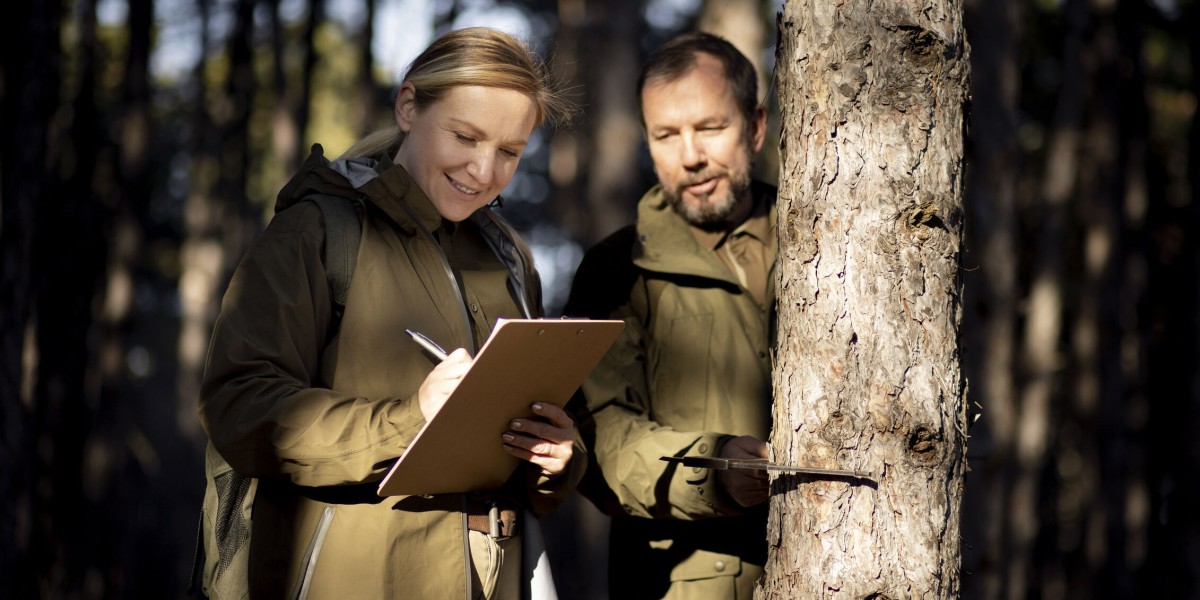
Vermont's forest management plan set out a detailed outline of how to keep the states 4.5 million acres of forestland healthy and productive. It is centered around three main targets: ecosystem health, sustainably getting wood, and peoples ability to cope. To help identify prime habitats, eroding slopes, and logging-friendly areas, managers rely on forest inventory data supported by GIS mapping. Obtaining input and feedback from the public is an essential part of the planning; town meetings, stakeholder workshops, and comment periods are tools used to give local landowners and conservation groups voice in decision-making.
Adaptive management is basically the backbone of the Vermont forest management plan. Yearly species diversity, water quality, and carbon stock monitoring help to decide on changes in silvicultural methods. In accordance with site-specific objectives, different interventions like uneven-age thinning, prescribed burning, and invasive-species removal will be implemented. The plan features climate change as well by encouraging mixed-species stands that increase ecosystem adaptability.
Money matters are taken into account along with environmentally friendly practices. Proceeds from certified timber help in supporting the countryside economy besides financing the restoration of the natural habitat. Not only that, the plan also promotes recreation and the collection of non-timber forest products thereby increasing the returns for both locals and tourists. Via combined efforts of different state departments, private landowners, and non-governmental organizations, Vermont's forest management plan targets to keep the states natural heritage alive for the generations to come. The plan is made to be relevant by continuous learning and working together.