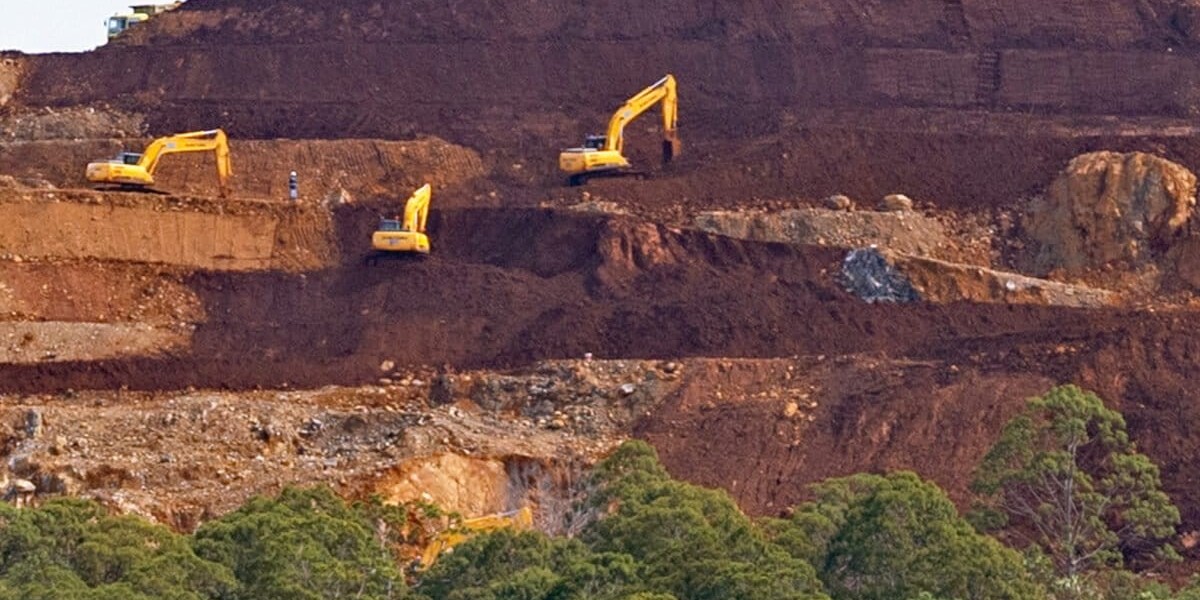
Construction projects represent significant investments of money, time, and effort. The success of any project depends heavily on what lies beneath the surface. Rushing into construction without proper ground investigation is a costly mistake. Site assessments provide the critical information needed before any development begins. They protect investors, workers, communities, and the environment. Understanding their importance is fundamental to responsible construction planning.
What Is a Site Assessment
A site assessment is a systematic investigation of a property. It evaluates the physical, chemical, and biological conditions at a location. The purpose is to identify potential risks and constraints before development. Assessments range in scope from basic visual inspections to complex subsurface investigations.
Different types of assessments serve different purposes. A Phase I assessment involves desktop research and a site walkthrough. A more detailed investigation involves laboratory testing of soil and groundwater samples. Each level of investigation builds on the previous one. Together, they provide a comprehensive picture of site conditions.
Why Site Assessment Matters Before Construction
The ground beneath a construction site determines everything. Soil bearing capacity affects foundation design. Groundwater levels influence excavation safety. Contamination can pose serious health risks to workers and future occupants. Without a proper assessment, construction projects proceed blindly. The risks include structural failures, cost overruns, and legal liability.
Site assessments identify problems early. Discovering contamination or unstable soils before construction is far less expensive than discovering them mid-project. Early identification allows project teams to plan appropriate remediation or design adjustments. This protects the project schedule and budget from unpleasant surprises.
The Phase I Environmental Site Assessment
The Phase I Environmental Site Assessment is the first formal step in evaluating environmental risk. It involves reviewing historical records to identify past land uses. Industrial activities, fuel storage, and waste disposal are key concerns. An environmental professional visits the site to observe current conditions.
This phase does not involve sampling or laboratory testing. It relies on existing records, interviews, and visual observation. The goal is to identify recognized environmental conditions. These are areas where contamination may exist or is suspected. If recognized environmental conditions are found, a more detailed investigation is recommended.
The Critical Role of Phase II Investigation
When Phase I findings suggest potential contamination, a Phase II investigation follows. This is where science and technical rigor take center stage. A thorough phase 2 environmental site assessment involves collecting soil, groundwater, and sometimes air samples. These samples are analyzed in accredited laboratories. The results reveal whether contamination is present and how severe it is.
The data gathered guides decision-making at every level. Regulators use it to determine cleanup requirements. Project planners use it to modify construction designs. Financial institutions use it to assess lending risk. Without this critical investigation, informed decision-making is simply impossible.
Identifying Geotechnical Conditions
Beyond environmental concerns, site assessments evaluate geotechnical conditions. Soil strength, compressibility, and stability directly affect construction feasibility. Loose or expansive soils require special foundation systems. High water tables complicate basement construction. Rock outcrops affect excavation planning and costs.
Geotechnical investigations typically involve drilling boreholes and collecting soil samples. These samples are tested in geotechnical laboratories. The results inform foundation engineers about the load-bearing capacity of the ground. Without this data, foundation design is guesswork. Guesswork leads to failures and expensive repairs.
Understanding Soil Bearing Capacity
Soil bearing capacity determines how much weight the ground can support. Light residential structures require less capacity than heavy industrial buildings. Every structure places different demands on the foundation system. A geotechnical assessment quantifies exactly what the ground can handle.
If bearing capacity is insufficient, engineers can specify ground improvement techniques. Pile foundations, soil compaction, and ground reinforcement are common solutions. These interventions are much more cost-effective when planned from the outset rather than discovered after construction has begun.
Protecting Human Health and Worker Safety
Construction sites expose workers to potential hazards every day. Contaminated soil and groundwater present serious health risks. Workers can inhale volatile chemicals or absorb contaminants through skin contact. Without knowing what is in the ground, employers cannot implement appropriate safety measures.
Site assessments provide the information needed to protect workers. If contamination is identified, safety protocols are implemented before excavation begins. Protective equipment requirements are defined based on the nature of the contamination. Air monitoring programs can be established for sites with volatile compounds. Worker health is protected when the hazards are known in advance.
Environmental Protection Through Informed Planning
Development affects surrounding ecosystems. Construction can disturb drainage patterns and introduce pollutants into waterways. Contaminated soil disturbed during construction can spread pollution to adjacent areas. Proper site assessment identifies these risks before they become realities.
Environmental protection plans are developed based on assessment findings. Erosion and sediment controls are designed for specific site conditions. Contaminated soil management plans ensure proper handling and disposal. These measures protect wetlands, watercourses, and natural habitats from construction-related damage.
Legal and Regulatory Compliance
Environmental regulations require site assessments in many jurisdictions. Failure to conduct required assessments exposes developers to significant legal liability. Regulatory authorities can halt construction projects if assessments are not completed. Fines, cleanup orders, and legal action are potential consequences of non-compliance.
Beyond legal requirements, site assessments protect developers from future liability. Purchasing contaminated land without proper investigation can result in cleanup costs passed to the new owner. Phase I and Phase II assessments establish a clear record of known conditions at the time of purchase. This documentation is invaluable in resolving future disputes.
Financial Due Diligence for Investors
Lenders and investors require site assessments as part of financial due diligence. A bank will not finance a project on contaminated land without a clear remediation plan. Institutional investors evaluate environmental risk as part of their portfolio management. Site assessment results directly influence financing terms and project valuation.
Identifying and quantifying environmental risk allows developers to negotiate property prices appropriately. A contaminated site may be purchased at a discount reflecting remediation costs. Without an assessment, buyers pay full price for land that carries hidden liabilities. Due diligence protects capital and enables informed negotiation.
Remediation Planning and Cost Estimation
When contamination is found, remediation is required. Site assessment data guides remediation planning. It defines the nature, extent, and concentration of contaminants. Remediation engineers use this information to design effective cleanup strategies. Cost estimates for remediation depend entirely on the quality of assessment data.
Accurate cost estimation prevents budget overruns. Projects that proceed without knowing remediation costs often face financial crises mid-development. Comprehensive assessment upfront enables accurate financial planning. Project contingencies can be appropriately sized to cover remediation costs.
Long-Term Property Value Protection
Sites that have been properly assessed and remediated hold their value better. Buyers and tenants are increasingly sophisticated about environmental risk. Properties with clean environmental records command premium prices. Those with unknown or poorly documented histories face price discounts and market resistance.
Environmental stigma can linger even after remediation. Transparent documentation of assessment and cleanup efforts helps overcome this stigma. Properties with clear, well-documented environmental histories are easier to sell, lease, and finance. Assessment investment pays dividends throughout the lifecycle of a property.
Conclusion
Site assessment is not an optional add-on to construction planning. It is a fundamental prerequisite for responsible development. It protects human health, the environment, and financial investments. It ensures regulatory compliance and informs every subsequent decision in a project's lifecycle. Developers who invest in thorough site assessments before breaking ground protect themselves, their workers, and their communities. The cost of a comprehensive assessment is always less than the cost of discovering problems too late. Smart construction planning begins with understanding what lies beneath the surface.