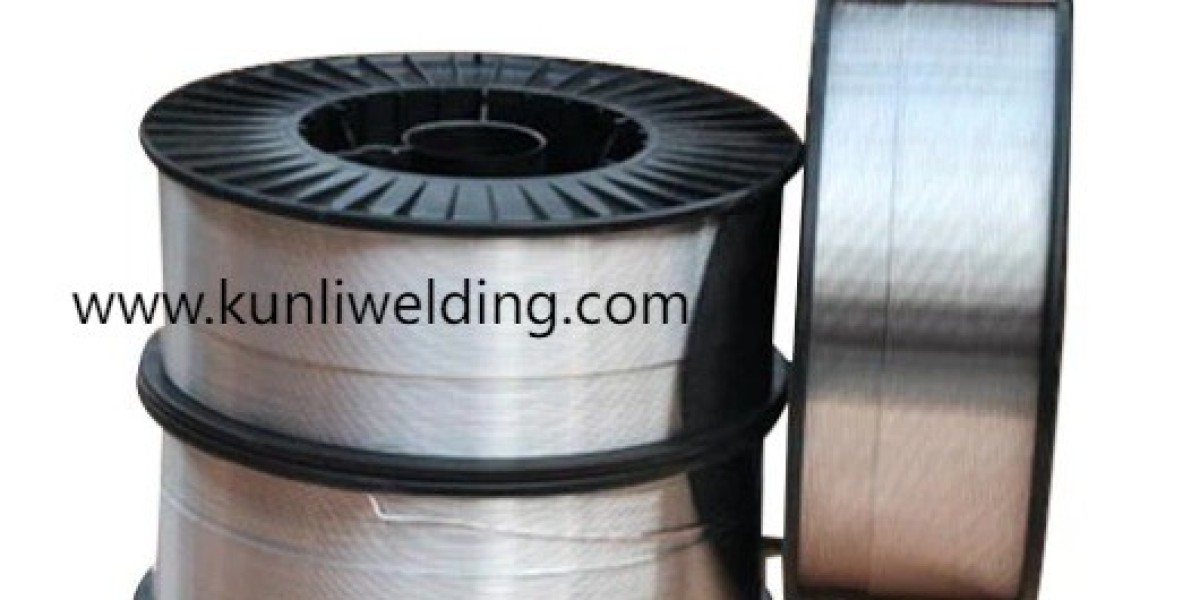
Aluminum MIG welding wire represents a consumable electrode specifically formulated for metal inert gas welding processes, feeding continuously through welding equipment to create joins between aluminum components across automotive, aerospace, and general fabrication applications. The packaging format in which Aluminum MIG Wire Manufacturers deliver their products significantly influences operational efficiency, storage requirements, and production continuity in ways that purchasing decisions often overlook until workflow disruptions reveal the consequences of incompatible spool configurations or inappropriate wire quantities for specific production environments.
Standard spool configurations vary widely across the industry, with hub diameters, barrel widths, and traverse patterns all differing between manufacturers despite containing nominally similar wire products. Welding equipment wire feed systems accommodate specific spool dimensions, and mismatched packaging creates immediate problems. Oversized spools may not fit equipment wire guides or storage compartments, while undersized spools wobble during feeding, causing erratic wire delivery that disrupts arc stability and weld quality. Verifying equipment compatibility before purchasing unfamiliar wire brands prevents discovering dimensional mismatches after delivery.
Spool capacity directly affects production continuity by determining how frequently operators must pause welding to change depleted spools. Small spools containing limited wire length suit low volume operations or applications requiring frequent alloy changes, minimizing inventory of partially used materials. However, high production environments benefit from larger capacity spools that extend continuous welding periods, reducing downtime from spool changes that interrupt workflow and decrease throughput. The productivity impact of spool changes accumulates significantly across multi shift operations where even brief interruptions multiply into substantial lost welding time.
Storage space requirements increase with spool size, creating facility planning considerations that purchasing decisions should address. Large capacity spools occupy more shelf space and require sturdier storage racks capable of supporting their weight. Small fabrication shops with limited storage areas may find compact spools more practical despite their more frequent change requirements. Conversely, high volume manufacturers with dedicated wire storage areas maximize efficiency through bulk purchasing of large spools that reduce per pound material costs while minimizing handling labor.
Handling ergonomics matter because operators manually lifting and installing spools experience physical strain that larger, heavier spools intensify. Shops employing automated spool changers or overhead lifting equipment accommodate heavy spools easily, while operations relying on manual handling may need to limit spool sizes preventing worker injury and fatigue. Workplace safety considerations and ergonomic requirements sometimes outweigh the economic advantages larger spools otherwise provide.
Material utilization efficiency varies with spool size because smaller quantities sometimes allow complete consumption within single projects or production runs, avoiding partial spools that sit in inventory accumulating surface oxidation. Aluminum wire exposed to humidity and contamination during extended storage after spool opening degrades, creating feeding problems and weld defects. Matching spool capacity to actual consumption patterns optimizes material utilization while minimizing waste from degraded partial spools.
Inventory management complexity increases with proliferating spool sizes and types across a facility. Standardizing on specific spool configurations across wire alloys and diameters simplifies inventory tracking, storage organization, and equipment compatibility verification. However, this standardization may sacrifice the advantages different spool types offer for varied applications, requiring operations to balance simplicity against optimized performance for specific welding scenarios.
Cost considerations extend beyond simple per pound wire pricing to include handling labor, storage space utilization, and productivity impacts from spool changes. Bulk purchasing large spools typically reduces material cost per unit weight, but these savings disappear if partial spools degrade before consumption or if frequent alloy changes in diverse fabrication environments leave numerous partially used spools accumulating in storage.
Packaging quality affects whether spools arrive at facilities in usable condition or require cleaning and rewinding before use. Robust packaging protecting wire from moisture exposure and mechanical damage during shipping preserves material quality, while inadequate packaging allows contamination that creates feeding problems and weld defects requiring time consuming troubleshooting.
Wire winding quality on spools influences feeding reliability because loose winding, crossed layers, or uneven tension create tangling and bird nesting that jams feed systems. Precision wound spools from quality manufacturers feed smoothly from start to finish, while poorly wound spools from marginal suppliers create frustrating feeding interruptions that waste welding time.
- Understanding how spool characteristics affect operational workflow enables informed purchasing decisions considering total cost of ownership rather than simply selecting the lowest priced wire without regard to packaging format impacts on production efficiency and material utilization. For comprehensive information on aluminum MIG wire packaging options and their operational implications, visit https://kunliwelding.psce.pw/8p6qbl .