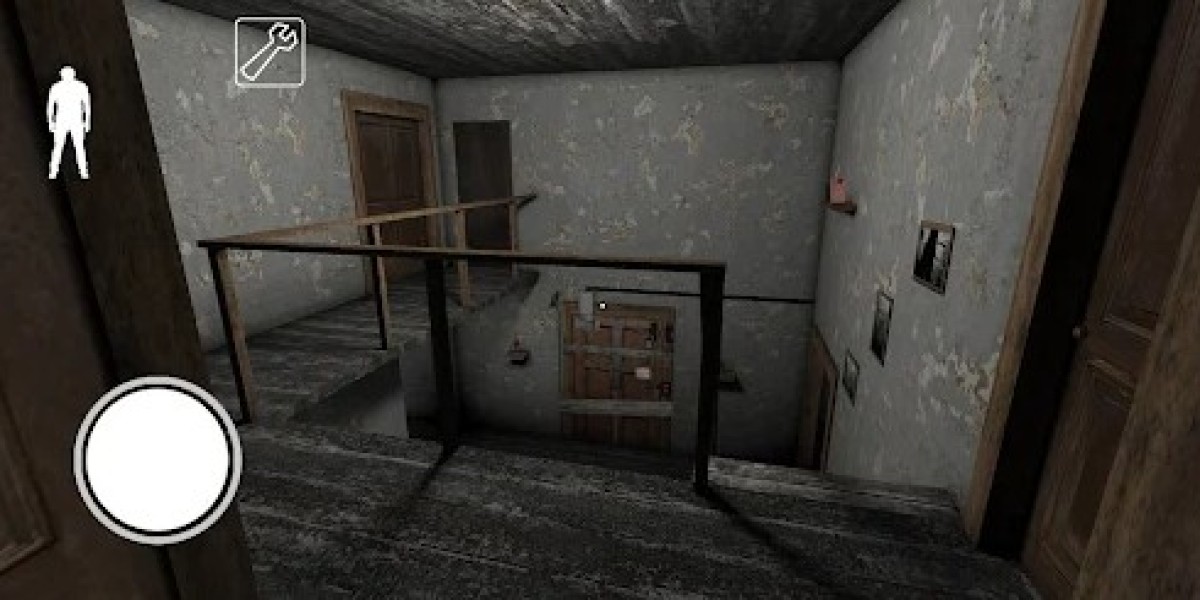
Overview of Granny Experience in Horror Gaming
Granny is a first person survival horror experience where the main objective is to escape from a locked house while avoiding a dangerous enemy. The game focuses on stealth, exploration, and puzzle solving inside a dark and tense environment. Players must move carefully, solve hidden challenges, and avoid making noise that can attract attention.
The atmosphere is designed to create fear through silence, sudden danger, and limited resources. Every action matters, and even small mistakes can lead to failure. The experience is simple to understand but difficult to master, which makes it popular among horror fans.
Core Gameplay Mechanics
Stealth Based Survival System
The core mechanic of the game is stealth survival. Players must stay quiet, hide under beds or inside wardrobes, and avoid open spaces when danger is near. Movement must be slow and controlled because sound plays an important role in detection.
Noise management becomes essential. Dropping objects, opening doors too fast, or walking on creaky floors can reveal the position of the player. Success depends on patience and timing.
Item Collection System
The house contains multiple useful items required for escape. These items are often hidden in drawers, shelves, or secret rooms. Players must explore carefully while remembering item locations.
Common items include keys, tools, and puzzle objects. Each item has a specific purpose, and combining them correctly is necessary to unlock new areas or create escape routes.
Enemy Behavior and Artificial Intelligence
Adaptive Threat System
The main enemy in Granny reacts dynamically to sound and movement. If noise is detected, the enemy moves toward the source quickly. This creates constant tension and forces players to think before acting.
The enemy patrol pattern is not fully predictable, which increases difficulty. Players must observe behavior patterns and adjust strategy based on movement cycles.
Difficulty Modes and Challenge Levels
The game includes multiple difficulty settings that change enemy speed, detection range, and item availability. Higher difficulty levels reduce safety margins and increase pressure on decision making.
On easier levels, players have more chances to explore and learn the map. On harder levels, even small mistakes can end the game quickly.
House Layout and Environmental Design
Key Areas Inside the House
The main environment is a multi level house filled with rooms, hidden passages, and locked areas. Each section of the house contains different puzzles and risks.
Important areas include bedrooms, basement, kitchen, and secret corridors. These areas often connect through hidden doors or crawl spaces, creating multiple escape paths.
Environmental Interaction System
Players can interact with many objects in the environment. Doors, drawers, traps, and hiding spots all play important roles. Some objects can be used strategically to distract the enemy or block movement paths.
Understanding the layout of the house is critical for survival. Memorization of key routes helps reduce panic during high pressure moments.
Effective Strategies for Escape
Beginner Survival Tips
New players should focus on learning safe movement techniques. Staying crouched reduces noise and increases survival chances. It is also important to avoid rushing into unknown rooms.
Exploring one section at a time helps build map knowledge. Players should also practice hiding quickly when danger appears nearby.
Advanced Escape Techniques
Experienced players often use distraction strategies. Throwing objects in one direction can lure the enemy away from important locations. This creates opportunities to collect items safely.
Another advanced strategy involves route planning. Players map out escape paths before collecting all required items, which reduces risk during final escape attempts.
Psychological Horror Design
Fear Through Sound and Silence
One of the strongest elements of Granny is audio design. Silence creates tension, while sudden sounds trigger fear responses. This balance keeps players alert at all times.
Footsteps, door creaks, and distant noises are used to build anticipation. The unpredictability of sound increases emotional pressure.
Visual Atmosphere and Lighting
The visual design uses dark lighting and limited visibility to increase fear. Players often cannot see far ahead, which makes exploration risky. Shadows and dim environments contribute to a constant sense of danger.
Why the Game Became Popular
Simple Concept with High Tension
The game became popular because of its simple but effective gameplay loop. The objective is easy to understand, but survival requires skill and patience. This combination makes it accessible to many players.
High Replay Value
Each playthrough feels different because item locations and enemy behavior vary. This randomness encourages repeated gameplay and experimentation with different strategies.
Players also enjoy improving performance over time, which increases long term engagement.
Final Thoughts on Survival Experience
Granny delivers a strong survival horror experience based on stealth, exploration, and puzzle solving. The game challenges players to think carefully, react quickly, and manage fear under pressure.