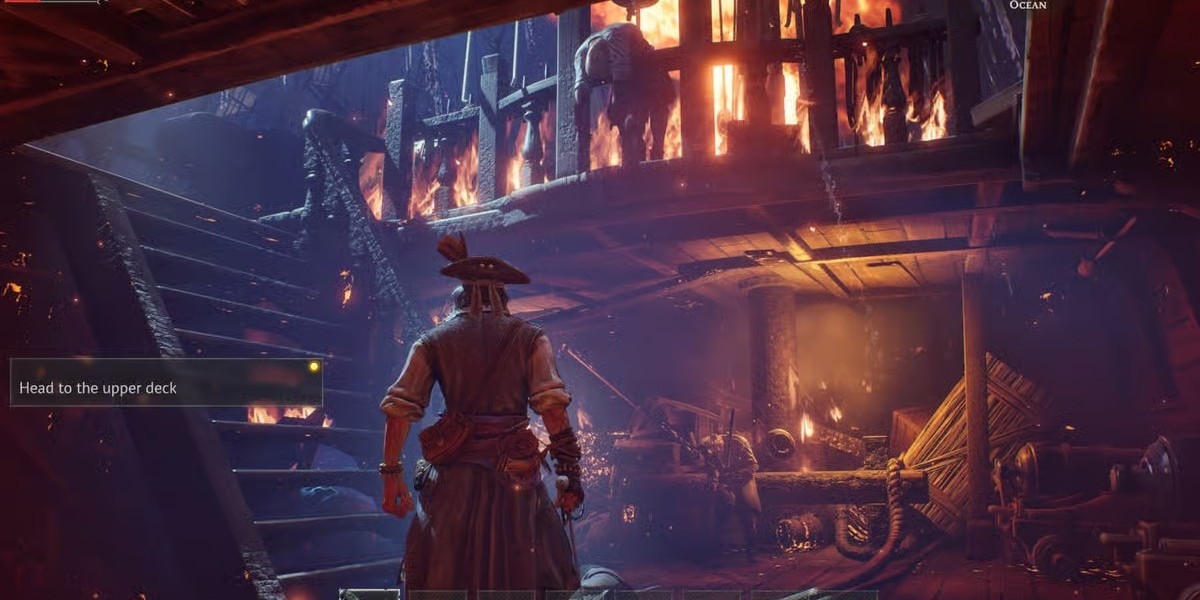
Ingot Arborum is one of Windrose's more noticeable late-game progression checks, mainly because it's not something you just stumble across while exploring. You can't mine it directly or grab it from an early merchant. Instead, the game pushes you into a full crafting chain that pulls from swamp resources and refined materials, so it ends up feeling like something you actually worked for rather than something you just picked up along the way. Most recent guides also agree that you don't craft it at a basic workstation—it's made at the Enchanting Table—so before anything else, you need your base set up properly Windrose Items.
A big part of the process starts with Essence Arborum. This is one of the core materials for both the Enchanting Table and the ingot itself. It's usually refined from Plague Wood, with a simple conversion rate where one piece of Plague Wood gives you one Essence Arborum. That might sound straightforward, but it adds up quickly. You'll want to gather more than you think you need early on, since you'll likely need at least four just to cover both the table and the ingot crafting without going back and forth.
Then there's Mire Metal Ingot, which is where things slow down a bit. This isn't a raw drop—you have to refine it, usually from Ancient Scraps and Quagmire Powder. That refining step is what makes it the main bottleneck for most players. Even if you have everything else ready, you'll often find yourself waiting on this material. Because of that, it's usually smart to farm extra scraps and powder instead of only collecting what you need for a single craft, especially since Mire Metal shows up in other high-tier recipes later on too.
Tainted Bile is the more active part of the grind. You get it from Plague Crocodiles in swampy, infected areas. They're not especially rare, but they can hit hard if you're underprepared. Most players recommend using ranged weapons here just to keep fights controlled, which also speeds things up if you're farming in bulk.
Before you can actually make the ingot, you also need the Enchanting Table itself. Its recipe pulls from several of the same materials, including Mire Metal Ingot, Hewn Stone, Plant Fiber, and Essence Arborum. So in practice, you're not just farming for the ingot—you're building the production setup that makes it possible in the first place. Once that table is up, the rest of the process becomes much more straightforward Windrose weapons.
The most efficient way to handle it is to treat the swamp run like a full gathering loop. Go in with enough inventory space, collect Plague Wood as you move through, grab Ancient Scraps and Quagmire Powder whenever you find them, and take time to hunt Plague Crocodiles along the way. Once your bags are full, head back, set up or use your Enchanting Table, and finish everything in one go instead of stretching it over multiple trips.
What really defines Ingot Arborum is its role in progression. It isn't just another crafting material—it's a gate for stronger weapons, ammo, and endgame recipes. Once you can produce it consistently, you're no longer stuck waiting on rare drops or one-time finds. Instead, you've built a reliable loop that feeds into the rest of the game's higher-tier systems, which is when Windrose really starts to open up.