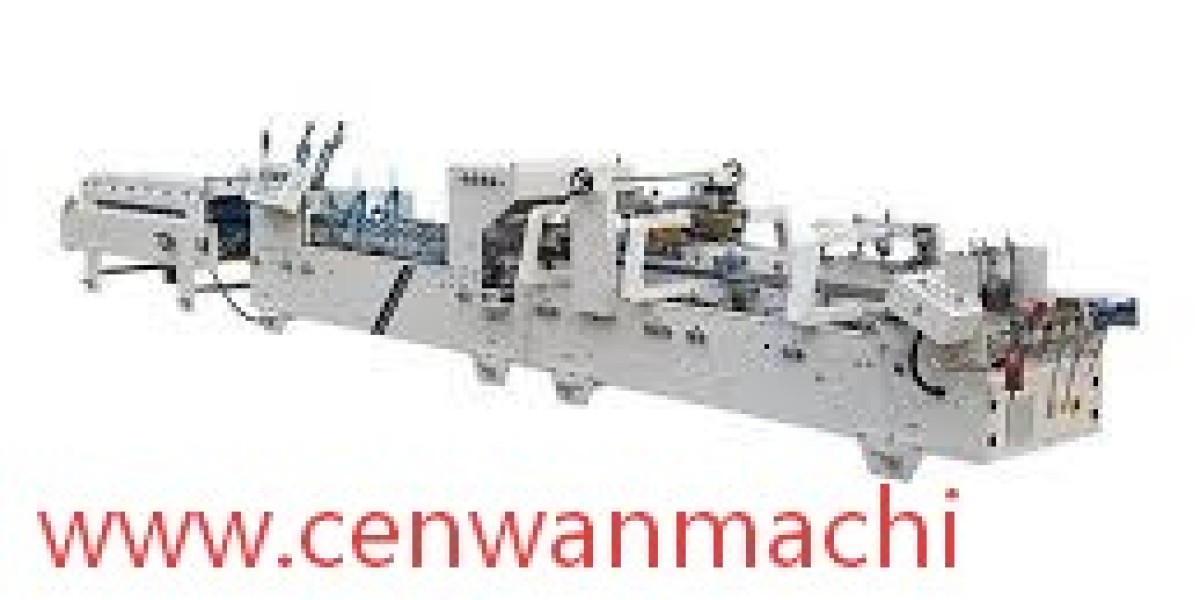
A packaging line running without inspection produces waste until someone notices. By then, hundreds of faulty boxes sit in the stack. Modern manufacturing requires real-time quality verification. Sensors and detection systems act as the machine's eyes, catching misfolds, missing glue, and misaligned panels instantly. This capability raises an important question: what sensors or detection systems should a modern Carton Folding Gluing Machine include for quality control? cenwanmachine, from CenWan Machinery, integrates multiple inspection technologies to answer that question directly.
The factory in Wenzhou, China, builds each Carton Folding Gluing Machine with a layered sensor architecture. The first layer monitors material presence. A photoelectric sensor at the feed gate confirms each blank enters the folding section. If the sensor detects no blank for three consecutive cycles, the system pauses and alerts the operator. This feature prevents the glue nozzles from firing onto empty space, which would waste adhesive and create cleanup work.
The second sensor layer tracks fold accuracy. Contactless laser displacement sensors measure the position of each folding belt. These sensors compare actual belt travel against programmed values. A deviation of even half a millimeter triggers a slow-down warning. The operator sees the warning on the color touch screen, with an arrow pointing to the specific belt station needing adjustment. This targeted feedback eliminates guesswork during troubleshooting.
Glue application demands its own detection system. CenWanMachine equips its machines with capacitive glue presence sensors at each nozzle. These sensors confirm adhesive flow within every cycle. If a nozzle clogs or the glue tank runs dry, the system stops the folding belts within one second. A stopped machine prevents a long string of dry boxes. The control panel displays exactly which nozzle failed, along with a cleaning animation.
For high-speed lines, camera-based inspection provides final verification. A high-resolution smart camera positioned after the folding section captures each box's profile. The camera's internal processor checks four quality parameters: fold symmetry, panel alignment, glue line position, and overall box squareness. The system learns acceptable tolerances during a setup run. Any box outside those tolerances gets ejected by a pneumatic diverter before reaching the stacker.
Acoustic sensors add another layer of preventive maintenance. A microphone attached to the folding belt drive listens for frequency changes. Healthy belts produce a steady sound pattern. A worn bearing or slipping belt changes the acoustic signature. The CenWan control system analyzes these sound frequencies and predicts failures before they happen. The operator receives a maintenance reminder, not an emergency stop.
Glue temperature affects bond strength significantly. A thermocouple probe inside the glue tank reports temperature every second. The control system compares this reading against the setpoint for the current adhesive type. If temperature drifts beyond a defined window, the system adjusts heater power automatically. An operator does not need to monitor the gauge. The machine maintains optimal glue viscosity without manual intervention.
Pressure sensors in the glue delivery line detect clogs and leaks. A sudden pressure increase indicates a nozzle blockage. A pressure drop suggests a line break or empty tank. CenWanMachine's logic differentiates between expected pressure fluctuations from speed changes and true fault conditions. False alarms remain rare because the algorithm learns normal operating ranges during the first production hour of each job.
For crash-lock bottom boxes, a mechanical feeler verifies lock formation. This simple but reliable sensor touches the bottom panel after folding. If the panel remains partially open, the feeler does not retract fully. The machine stops immediately, preventing a jam that would require disassembly. The operator clears the single faulty blank and restarts. This sensor alone saves hours of downtime on complex box styles.
Reflective markers on folding belts enable position tracking without physical contact. An optical reader detects these markers as belts rotate. The control system uses this data to synchronize glue firing with belt position. Glue lands exactly where intended, even at maximum speed. This closed-loop feedback distinguishes industrial-grade machines from entry-level equipment.
Integration with external systems represents the final sensor layer. CenWan's Carton Folding Gluing Machine includes a dry contact output for each quality check. A customer connects these outputs to a central production monitoring system. The central system records reject rates, stop events, and sensor status for every shift. A packaging plant manager views quality trends on a single dashboard, without walking to each machine.
Sensor calibration happens through the machine's self-diagnostic routine. An operator selects “Sensor Test” from the main menu. The machine cycles through each detector and reports pass or fail. Failed sensors display a replacement part number. A successful test takes ninety seconds. This routine ensures that quality systems function correctly before every production run, not just during installation.
CenWan's commitment to sensor integration reflects feedback from customers in over forty countries. A Venezuelan production manager noted that fold detection reduced his reject rate significantly. A technician in Pakistan appreciated the glue presence sensors that prevented dry runs. These real-world results validate each sensor type installed on cenwanmachine equipment.
For packaging manufacturers seeking verifiable quality, sensor specifications matter as much as speed ratings. A machine with proper detection systems produces consistent boxes from first piece to last piece. To examine how these sensors integrate into a cardboard box application, visit https://www.cenwanmachine.com/product/folder-gluer-for-cardboard-box/ and review the inspection features listed. Then ask whether your current equipment sees what it produces. The answer will determine your next purchase.