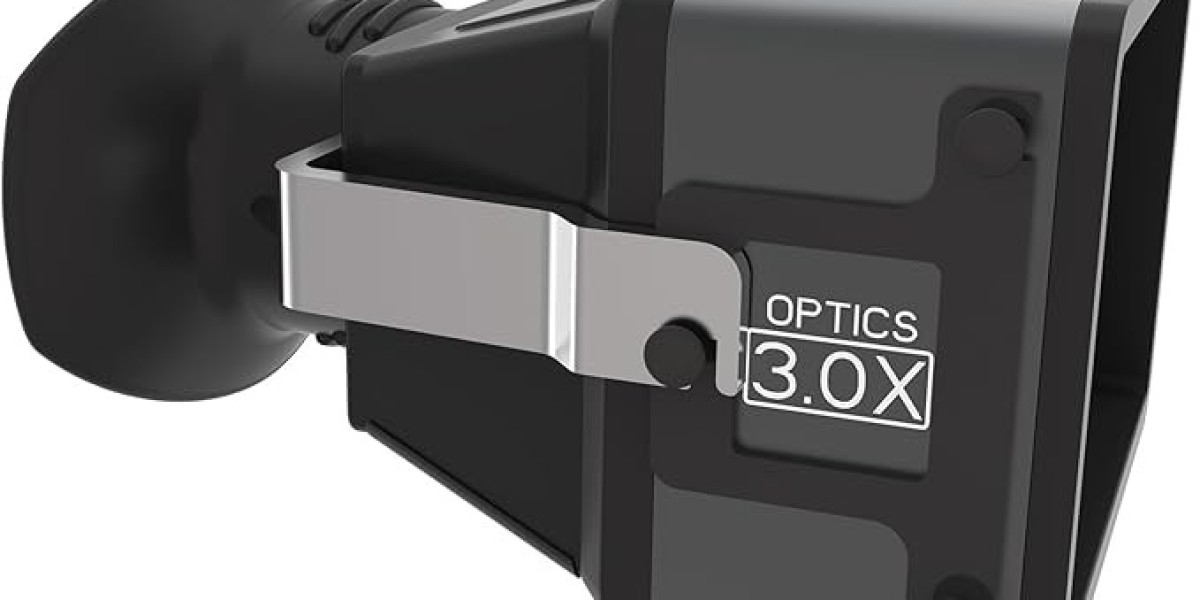
As we progress through 2026, the transition from optical to digital viewfinders is nearly complete across all professional sectors, from cinema-grade cameras to surgical robots. However, B2B hardware developers are facing a new, more subtle crisis: digital fatigue. While 4K and 8K sensors provide stunning data, the EVF optical module often fails to deliver that data to the human eye in a way that is natural or comfortable. Professional operators are reporting increased eye strain, "motion sickness" from display lag, and chromatic aberration that distorts critical details.
If your product’s user reviews are flagging "viewfinder fatigue" or if your technical specs are struggling to maintain clarity at high magnification, you are likely facing an optical-to-digital mismatch. In 2026, a high-resolution screen is not enough; you need a sophisticated optical engine that prioritizes physiological comfort alongside raw data.
The Problem: Why Legacy EVF Designs Fail Professionals
The 2026 landscape has exposed three specific failures in traditional EVF procurement:
The "Tunnel Effect" and Eye Relief: Many compact EVFs force the user to press their eye too close to the glass, making it impossible for those with eyewear to use the device effectively. This lack of adequate eye relief is a major barrier in industrial and medical sectors.
Temporal Latency and Ghosting: Even a 10-millisecond delay between the sensor and the EVF display can cause nausea during rapid panning. In high-speed sports photography or drone piloting, this lag is the difference between a successful capture and a total miss.
Diopter Drift and Edge Distortion: Standard plastic lenses in cheap modules often suffer from "peripheral blur," where the center of the image is sharp but the status icons at the edges of the display are illegible.
The Solution: High-Refresh Micro OLED and Multi-Element Optics
The solution to the digital fatigue crisis lies in a "human-centric" optical path. The most successful B2B implementations in 2026 move beyond simple magnification and toward a fully optimized viewing experience.
1. Integration of 120Hz+ Micro OLED Displays
The foundation of a 2026-ready EVF optical module is a high-refresh-rate Micro OLED source. By moving from 60Hz to 120Hz or even 240Hz, the "motion jitter" that causes brain fatigue is virtually eliminated. These displays offer infinite contrast, ensuring that professionals working in low-light environments—such as nighttime wildlife filming or tactical surveillance—can see deep into the shadows without digital noise.
2. Long Eye Relief (LER) Optical Groups
To solve the "tunnel effect," modern EVF modules now utilize multi-element glass groups that provide an eye relief of 20mm or more. This allows the user to see the entire frame even while wearing goggles or glasses. By using aspheric lens elements, manufacturers can keep the module compact while ensuring that the image remains sharp from corner to corner, eliminating the "edge-blur" that plagues legacy designs.
3. Active Diopter Compensation
In 2026, "one size fits all" is no longer acceptable. Advanced EVF modules now include precision-machined diopter adjustment ranges (typically -4 to +3). For B2B clients in the medical field, this means that different surgeons can share the same equipment without needing custom eyepieces, a feasible and valuable improvement to workflow efficiency.
The B2B ROI: Productivity and Precision
When procurement leads evaluate an EVF optical module partner, the focus must shift to "Operator Endurance." A viewfinder that is comfortable to use for eight hours increases the productivity of the entire system. In the cinema industry, for example, a high-quality EVF reduces the number of missed takes due to focus errors, directly impacting the bottom line of the production.
From an E-E-A-T (Expertise, Experience, Authoritativeness, and Trustworthiness) perspective, the most reliable suppliers are those who provide "sealed" modules. In 2026, environmental sealing (IP67 or higher) is a requirement. If dust or moisture enters the optical path between the display and the lens, the unit becomes useless. B2B stakeholders should prioritize modules with internal nitrogen purging to prevent fogging in extreme climates.
Implementing a Feasible Integration Path
For manufacturers looking to upgrade their current lineup, the most feasible path is the adoption of "modular EVF engines." Instead of designing the optics and the display interface separately, B2B leads can source pre-calibrated modules that include the Micro OLED, the driver board, and the lens assembly in a single, light-tight housing. This reduces R&D costs and ensures that the final product meets the high standards of the 2026 professional market.
Conclusion
The EVF optical module is the bridge between digital data and human decision-making. As we demand more from our sensors, we must demand more from how we view that data. By prioritizing high refresh rates, generous eye relief, and precision aspheric glass, B2B manufacturers can solve the crisis of digital fatigue. In 2026, the most successful imaging products won't just be the ones with the most pixels; they will be the ones that are the most comfortable to use. The future of professional imaging is clear, and it begins with a superior view.