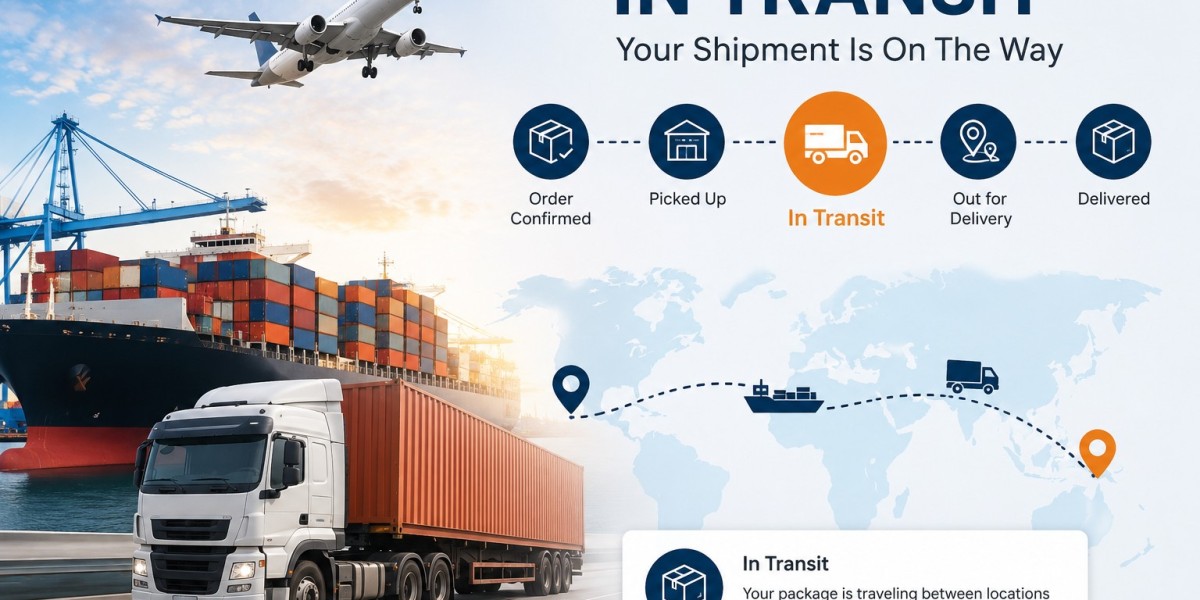
In the world of global shipping and logistics, the term “in transit” is one of the most commonly used tracking statuses. Whether you are importing goods internationally, managing supply chains, or waiting for a package delivery, understanding the meaning of “in transit” is important for smooth operations. Businesses involved in freight forwarding, international trade, and eCommerce frequently monitor shipment transit statuses to ensure timely delivery and customer satisfaction.
According to One Union Solutions, “in transit” refers to goods or shipments that are currently moving from one location to another within the supply chain. This status indicates that the package, cargo, or freight has left the origin point and is on its way to the final destination.
Understanding the Meaning of “In Transit”
The term “in transit” simply means that a shipment is actively traveling through the logistics network. It may be moving by air, sea, rail, or road transportation. During this stage, the shipment could pass through several checkpoints, warehouses, customs facilities, or distribution hubs before reaching the consignee.
For example:
- A package shipped from China to the USA may be labeled “in transit” while traveling through ports and customs.
- An eCommerce order moving from a warehouse to a delivery center is also considered in transit.
- International freight being transported via ocean containers remains in transit until delivered to the importer.
This status reassures customers and businesses that the shipment is progressing through the delivery process.
Why “In Transit” Status Is Important
The “in transit” tracking update plays a major role in supply chain visibility. It helps businesses and customers monitor shipment movement in real time. This visibility improves planning, inventory management, and delivery coordination.
Key benefits include:
1. Real-Time Shipment Tracking
Businesses can monitor cargo location and estimated arrival times. This reduces uncertainty and improves operational efficiency.
2. Better Customer Experience
Customers appreciate transparency. Tracking statuses such as “in transit” provide confidence that orders are moving toward delivery.
3. Inventory Planning
Importers and distributors rely on shipment updates to manage warehouse inventory and avoid stock shortages.
4. Risk Management
Companies can quickly identify delays, customs holds, or transportation disruptions during transit.
Common Shipping Stages Before and After “In Transit”
To better understand shipment movement, it is helpful to know the stages surrounding “in transit.”
Before In Transit
- Order received
- Shipment packed
- Carrier pickup completed
- Export documentation processed
During In Transit
- Cargo transported via truck, vessel, or aircraft
- Shipment processed at sorting facilities
- Customs clearance in progress
- Transfer between logistics hubs
After In Transit
- Arrived at destination facility
- Out for delivery
- Successfully delivered
These stages may vary depending on the shipping carrier and transportation method.
Types of Transportation Used During Transit
Different shipping modes can be used while goods are in transit. Each method impacts delivery speed, cost, and efficiency.
Air Freight
Air transportation is the fastest shipping method for urgent or high-value cargo. Packages remain in transit for shorter periods compared to ocean freight.
Ocean Freight
Ocean shipping is commonly used for international bulk cargo and containerized shipments. Transit times are longer due to port handling and customs procedures.
Road Transportation
Trucks are essential for local deliveries and inland transportation. Road freight connects ports, warehouses, and final destinations.
Rail Freight
Rail transportation is cost-effective for large domestic or cross-border cargo shipments.
Factors That Affect Transit Time
Several factors influence how long a shipment remains in transit.
Distance
Longer shipping routes naturally require more transit time.
Customs Clearance
International shipments may experience delays during customs inspections or document verification.
Weather Conditions
Storms, floods, and other weather disruptions can impact transportation schedules.
Carrier Delays
Logistics congestion, labor shortages, or vehicle issues may slow shipment movement.
Peak Shipping Seasons
Holiday periods and high-demand seasons often increase delivery timelines.
Understanding these factors helps businesses manage expectations and improve supply chain planning.
Difference Between “In Transit” and “Out for Delivery”
Many people confuse “in transit” with “out for delivery,” but they are different shipping statuses.
In Transit
The package is still moving through the logistics network and has not yet reached the local delivery vehicle.
Out for Delivery
The shipment has arrived at the local delivery center and is on its way to the customer’s address.
“In transit” is a broader shipping stage, while “out for delivery” indicates final delivery is near.
Common Reasons for Delays While In Transit
Sometimes shipments remain “in transit” longer than expected. Common reasons include:
- Customs clearance delays
- Incorrect shipping documents
- Port congestion
- Weather interruptions
- Transportation breakdowns
- High shipping volumes
- Security inspections
Businesses working with experienced logistics providers can reduce these risks and improve delivery reliability.
How Businesses Can Improve Transit Efficiency
Efficient transit management is critical for supply chain success. Here are several best practices companies use:
Use Reliable Freight Partners
Working with experienced logistics companies helps reduce delays and improve shipment visibility.
Optimize Shipping Routes
Choosing efficient transportation routes lowers transit time and shipping costs.
Implement Real-Time Tracking
Advanced tracking systems provide accurate shipment updates and improve communication.
Ensure Proper Documentation
Correct customs and shipping paperwork prevent unnecessary holds and delays.
Plan Inventory Strategically
Maintaining proper stock levels minimizes disruption caused by transit delays.
Importance of “In Transit” in International Trade
“In transit” status is especially important in global trade and cross-border logistics. Importers, exporters, and freight forwarders depend on accurate tracking information to coordinate international shipments.
International cargo may pass through:
- Multiple countries
- Customs checkpoints
- Freight consolidation centers
- International ports and airports
Monitoring transit movement helps businesses maintain compliance, manage delivery schedules, and ensure customer satisfaction.
Companies offering Importer of Record (IOR) services, freight forwarding, and customs support play a major role in ensuring goods move smoothly while in transit.
Final Thoughts
The term “in transit” is a critical part of the shipping and logistics process. It indicates that goods are actively moving through the supply chain toward their final destination. Whether transporting packages domestically or managing global freight operations, understanding transit status helps businesses improve visibility, reduce delays, and optimize logistics performance.
As global trade continues to expand, efficient transit management and real-time shipment tracking are becoming increasingly important for businesses worldwide. By partnering with experienced logistics providers and using modern tracking technologies, companies can ensure smoother transportation processes and better customer experiences.