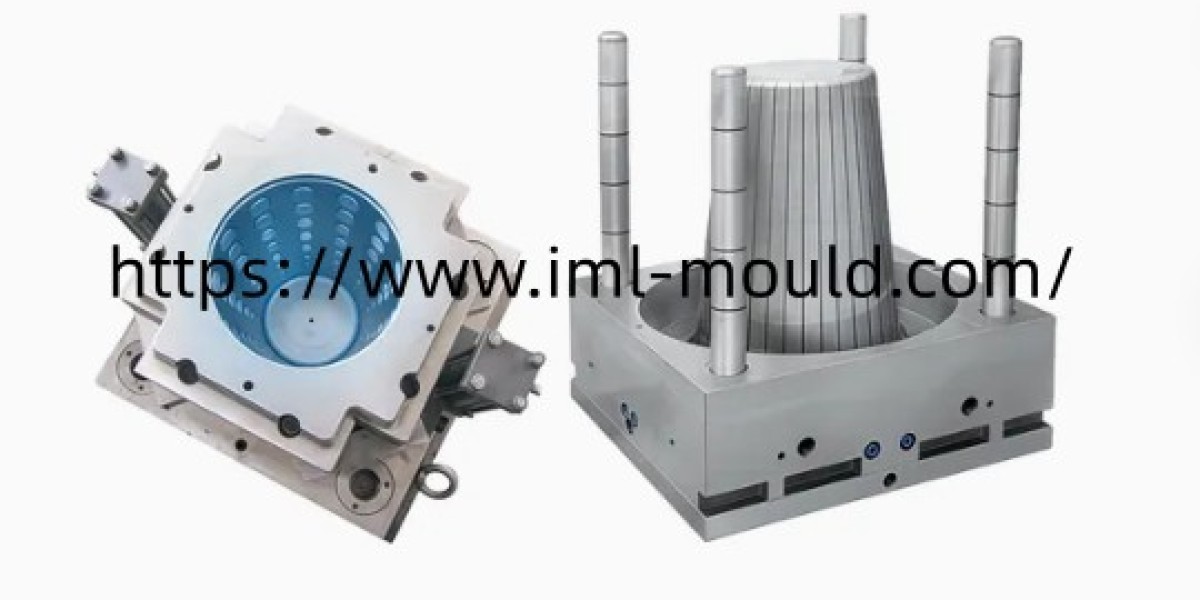
Plastic Bucket Mould selection is an important decision for manufacturers involved in food packaging, chemical storage, paint packaging, and industrial product applications. Tooling structure directly affects production stability, material usage, and operational coordination during high-volume manufacturing projects. Because of this, many buyers carefully evaluate technical details before placing tooling orders.
One of the first factors companies usually review is product application. Different industries often require different packaging characteristics depending on storage conditions, transportation environments, and filling requirements. Food-related applications may require attention to hygiene standards and surface finish consistency, while industrial packaging projects may focus more on durability and stacking performance.
Cavity arrangement is another important consideration during project planning. The number of cavities influences production output and machine compatibility during manufacturing. Higher cavity quantities may support larger production volumes, but equipment capacity and cycle stability should also be considered before finalizing tooling structures.
Cooling channel design plays a major role in operational consistency as well. Uneven temperature distribution may increase cycle times or create dimensional variation during continuous production runs. Organized cooling layouts help maintain stable processing conditions and reduce unnecessary interruptions caused by repeated machine adjustments.
Material compatibility is equally important before production begins. Different resin types respond differently to temperature, shrinkage, and pressure conditions during manufacturing. Early technical discussions regarding material selection may help reduce unnecessary revisions later in the project and support smoother operational planning throughout production stages.
Wall thickness balance has also become an important topic in modern packaging manufacturing. Lightweight packaging trends are encouraging businesses to reduce excess resin consumption while maintaining practical product performance. Accurate engineering preparation helps manufacturers balance material reduction goals with structural stability requirements.
Automation compatibility is another area many buyers now evaluate carefully. Automated handling systems are commonly used in large-volume packaging production to support smoother product removal and packaging coordination. Tooling structures designed with automation considerations may help improve operational efficiency during continuous manufacturing activities.
Maintenance planning remains essential for long-term production management. Continuous manufacturing cycles may gradually affect tooling accuracy and processing stability over time. Preventive inspection routines, cleaning schedules, and replacement of worn components help maintain consistent production conditions and reduce unexpected downtime risks.
Production communication between suppliers and buyers is also increasingly important. Delays sometimes occur because design modifications or technical approvals are not confirmed early enough during preparation stages. Many manufacturers now value suppliers that provide organized project updates and practical scheduling coordination throughout development processes.
Hengqi supports customers involved in industrial packaging, food applications, paint containers, and storage product manufacturing. The company focuses on engineering coordination, workflow planning, and production support suitable for different packaging requirements. Early technical communication often helps customers review operational expectations and manufacturing goals before production begins.
As packaging industries continue changing, manufacturers are paying greater attention to production flexibility, material management, and operational stability. Businesses interested in tooling solutions and related packaging support information can visit https://www.iml-mould.com/