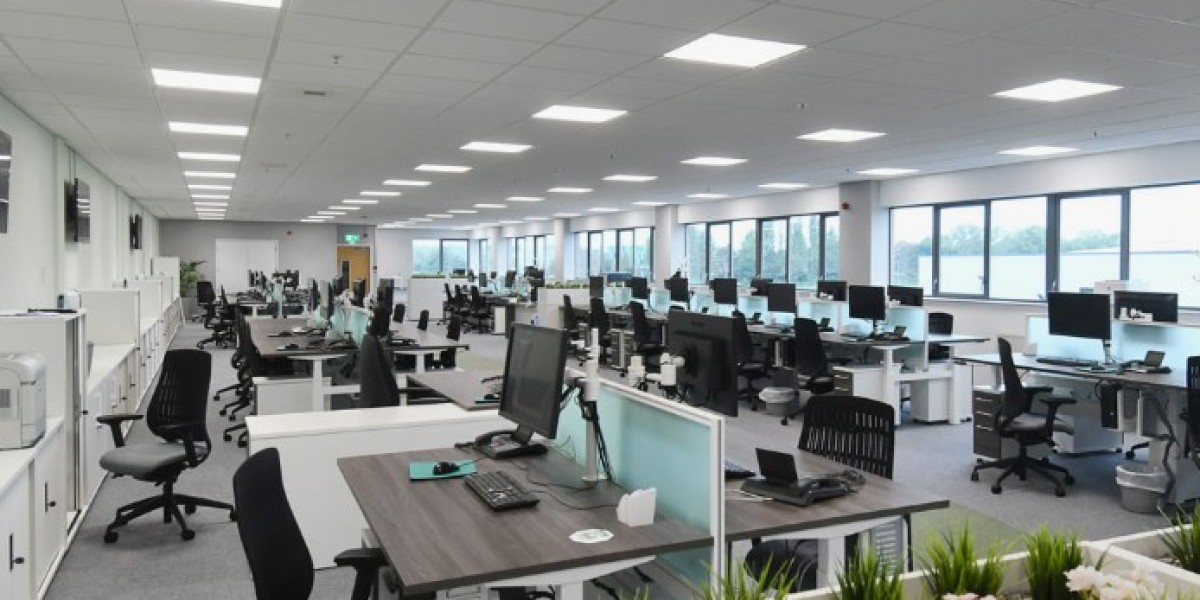
The widespread adoption of flexible work arrangements has fundamentally altered how commercial real estate is utilized on a daily basis. Organizations no longer operate under the historical assumption that every employee will be physically present from Monday through Friday. Instead, contemporary offices experience fluctuating occupancy levels, with high attendance on certain mid-week days and minimal occupancy at the beginning and end of the conventional work week. This unpredictability requires a complete reevaluation of traditional square footage allocations, as static rows of permanently assigned desks often sit vacant for large portions of the week. Corporate real estate managers must analyze attendance patterns and peak occupancy data to determine the actual spatial needs of the current workforce. By understanding these shifting usage patterns, businesses can avoid paying for underutilized real estate while ensuring that sufficient resources remain available during peak operational days.
The corporate focus has officially transitioned from maximizing the density of individual workstations to optimizing the utility of shared communal zones that support varied tasks. This requires an analytical approach to facilities management where space is allocated based on actual daily utilization data rather than arbitrary historical precedents. Consequently, real estate assets are treated as dynamic resources that must adapt to the behavioral patterns of the personnel who occupy them.
Maximizing Resource Utilization with Shared Workstations
Implementing shared desks and unassigned seating arrangements allows companies to reduce their overall physical footprint while maintaining operational readiness. When employees split their professional time between remote locations and the central office, assigning a permanent desk to each individual becomes highly inefficient and costly. Instead, flexible desking systems and workspace hoteling arrangements ensure that physical workstations are utilized continuously throughout the week by different staff members. This practical approach requires robust reservation software and clear corporate policies to ensure smooth transitions between daily occupants.
Furthermore, storage solutions must evolve to include secure localized lockers where staff can keep their personal items and professional materials when they are not on-site. The successful execution of a shared workstation strategy depends on providing consistent technological access and ergonomic adjustability at every seat so that any employee can arrive and begin working immediately without administrative friction. Reducing the number of dedicated individual desks frees up valuable real estate that can be repurposed for other critical organizational needs. This optimization ensures that every square meter of the facility actively contributes to daily business operations rather than remaining dormant.
Designing Specialized Spaces for Collaborative Tasks
When employees choose to commute to the physical office, they frequently do so to engage in collaborative activities that are difficult to replicate via digital communication software. Consequently, the contemporary workplace must place a greater architectural emphasis on group meeting rooms, informal breakout zones, and project-based team spaces. These areas should be equipped with advanced audio-visual equipment to smoothly integrate remote participants into physical meetings, creating an equitable environment for all attendees regardless of their physical location. The design of these collaborative spaces must account for varying group sizes and different types of professional interaction, ranging from formal board presentations to spontaneous brainstorming sessions.
Sound isolation and acoustic dampening materials are essential in these zones to prevent collaborative discussions from disrupting individuals engaged in quiet focus work nearby. By prioritizing collaborative infrastructure, the physical office justifies its role as a central hub for organizational culture, mentorship, and collective innovation. Providing spaces that facilitate human connection enhances the overall value of the office, making the commute worthwhile for a workforce that has the option to work from home.
Balancing Focused Individual Labor and Group Interaction
Maintaining a highly productive corporate environment requires a careful equilibrium between interactive common areas and quiet zones dedicated to deep analytical tasks. While group collaboration drives creative innovation, individual workers still require extended periods of completely uninterrupted concentration to finish complex technical assignments, detailed financial reporting, and routine administrative duties. Corporate managers frequently discover that an open-plan layout fails to provide this necessary separation, leading to elevated stress levels and widespread daily distractions among the staff. To solve this persistent operational challenge, implementing structured office space planning becomes highly critical because it establishes distinct physical boundaries between high-activity zones and quiet sanctuaries.
Designers achieve this essential environmental balance by incorporating modular physical barriers, advanced acoustic furniture solutions, and intelligent circulation pathways that naturally guide daily foot traffic away from quiet task areas. Providing a diverse variety of workspace options ultimately empowers individual employees to select the exact setting that matches their immediate cognitive needs throughout the working day. This methodical approach directly supports sustained intellectual output, protects the long-term mental stamina of the workforce, and reduces the environmental fatigue traditionally associated with unorganized commercial facilities.
Integrating Technology into the Physical Layout
A successful modern workspace relies heavily on the complete integration of digital infrastructure and physical design elements. Every square meter of the contemporary office must be supported by reliable wireless connectivity, accessible power sources, and smart building technologies that monitor environmental conditions. Interactive scheduling kiosks and room booking displays help employees navigate the shared environment efficiently, reducing the time spent searching for available workstations or meeting rooms. Additionally, data sensors embedded within the furniture and lighting systems can provide facility managers with real-time analytics regarding spatial utilization rates.
This continuous stream of information allows organizations to make data-driven decisions about future real estate modifications, expanding popular zones and repurposing underutilized areas. By aligning technological tools with physical space design, businesses create an intuitive environment that reduces daily friction for workers transitioning between home and corporate settings. Technical integration ensures that the physical environment enhances digital productivity rather than acting as a barrier to efficient communication.
Selecting Professional Guidance for Facility Optimization
Managing the complexities of a fluctuating workforce requires specialized expertise and a thorough understanding of commercial design principles. Organizations often struggle to balance the competing demands of cost reduction, employee comfort, and operational flexibility when attempting to remodel their facilities independently. Partnering with experienced spatial consultants ensures that capital investments are directed toward solutions that yield measurable improvements in productivity and retention. Comprehensive design services encompass everything from initial occupancy audits and acoustic evaluations to the procurement of durable, commercial-grade furniture solutions.
For corporate leadership seeking to adapt their physical infrastructure to the demands of modern scheduling, exploring proven design methodologies is a logical next step. Detailed operational guidelines and strategic layout strategies can be reviewed by visiting to understand how tailored spatial solutions enhance corporate performance. Relying on professional insights allows businesses to avoid common pitfalls and create a resilient workplace that supports long-term organizational goals while adapting to future industry shifts.
Conclusion
The rise of flexible work models has transformed the corporate office from a mandatory daily destination into a strategic tool for collaboration and corporate culture. Adapting to this new reality requires a shift away from rigid architectural configurations toward fluid, multi-functional spaces that accommodate fluctuating daily attendance. By prioritizing shared resources, specialized collaboration zones, and quiet focus areas, businesses can create balanced environments that support every facet of professional productivity. The successful execution of these design strategies depends on the thoughtful integration of advanced technology and professional spatial expertise.
Investing in the deliberate alignment of physical infrastructure and employee needs ultimately reduces operational overhead while maximizing collective output. As business environments continue to evolve, the organizations that proactively refine their physical facilities will remain best positioned to attract top talent and maintain a competitive edge. Ultimately, a well-planned office remains a vital asset that fosters connection, innovation, and long-term business success.