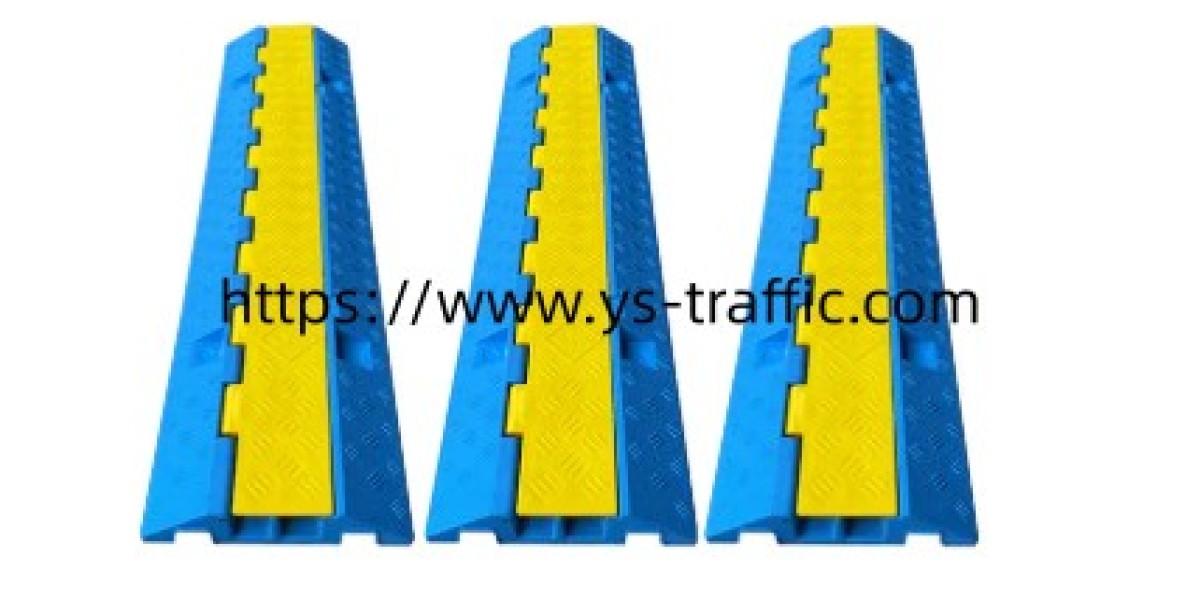
Cable Cover products are widely used to protect electrical lines, communication connections, and utility hoses in areas where people and vehicles frequently pass. While these protective systems are designed for daily use, their service life can vary depending on several factors. Understanding what influences durability can help buyers select suitable products and support long-term performance across different applications.
One of the most important factors is traffic intensity. A crossing point used occasionally will experience far less stress than one located in a busy warehouse, transportation hub, or construction site. Continuous movement of pedestrians, carts, forklifts, and service vehicles creates repeated pressure that may gradually affect structural integrity. Evaluating expected traffic levels before installation helps ensure the selected solution matches operational requirements.
Load conditions also play a significant role. Different environments involve different vehicle weights and equipment types. A product designed for light pedestrian traffic may not be appropriate for locations where heavy machinery operates regularly. Reviewing load ratings and intended application scenarios can help reduce unnecessary wear and support consistent performance throughout its service period.
Material selection is another key consideration. Different materials offer varying characteristics related to flexibility, impact resistance, and environmental adaptability. Buyers should evaluate whether the installation area requires resistance to moisture, oils, chemicals, or temperature fluctuations. Choosing materials that align with actual operating conditions may contribute to longer service life and more stable performance.
Environmental exposure often affects outdoor installations. Sunlight, rain, snow, dust, and changing temperatures can influence product condition over time. Locations exposed to direct sunlight for extended periods may experience different aging patterns than indoor facilities. Understanding local environmental conditions helps guide product selection and maintenance planning.
Installation quality should not be overlooked. Even well-designed protective equipment may encounter challenges if installed on uneven surfaces or in unsuitable locations. Proper placement helps distribute loads more effectively and reduces unnecessary stress during daily use. Before deployment, it is beneficial to inspect the installation area and address any surface irregularities that may affect performance.
Maintenance practices can also influence longevity. Regular inspections allow operators to identify signs of wear before they become larger issues. Cleaning accumulated debris, checking positioning, and verifying overall condition can help maintain functionality. In locations where equipment layouts change frequently, periodic reviews are particularly valuable.
The type of industry involved may further impact expected service life. Warehouses, event venues, manufacturing plants, airports, and public facilities all present unique operating conditions. Some environments prioritize frequent relocation and temporary installation, while others require long-term deployment in fixed locations. Understanding these differences helps buyers select products that align with project objectives.
Seasonal changes can introduce additional challenges. Temperature variations throughout the year may affect materials differently depending on the region. Areas with significant seasonal shifts often benefit from products designed to accommodate changing conditions without compromising usability.
User behavior is another practical factor. Improper use, excessive impacts, or operating conditions beyond intended specifications can accelerate wear. Providing clear guidance for installation and use can help support safer operation and reduce avoidable damage.
As infrastructure projects and industrial activities continue to expand, selecting durable protective solutions remains an important consideration. Evaluating traffic volume, environmental conditions, material characteristics, installation quality, and maintenance requirements can help organizations make more informed decisions.
Yongsheng supplies traffic safety and protection products for industrial, commercial, construction, and public applications. By considering the factors discussed above, buyers can select solutions that align with project demands and operational conditions. For additional product information and application references, visit https://www.ys-traffic.com/