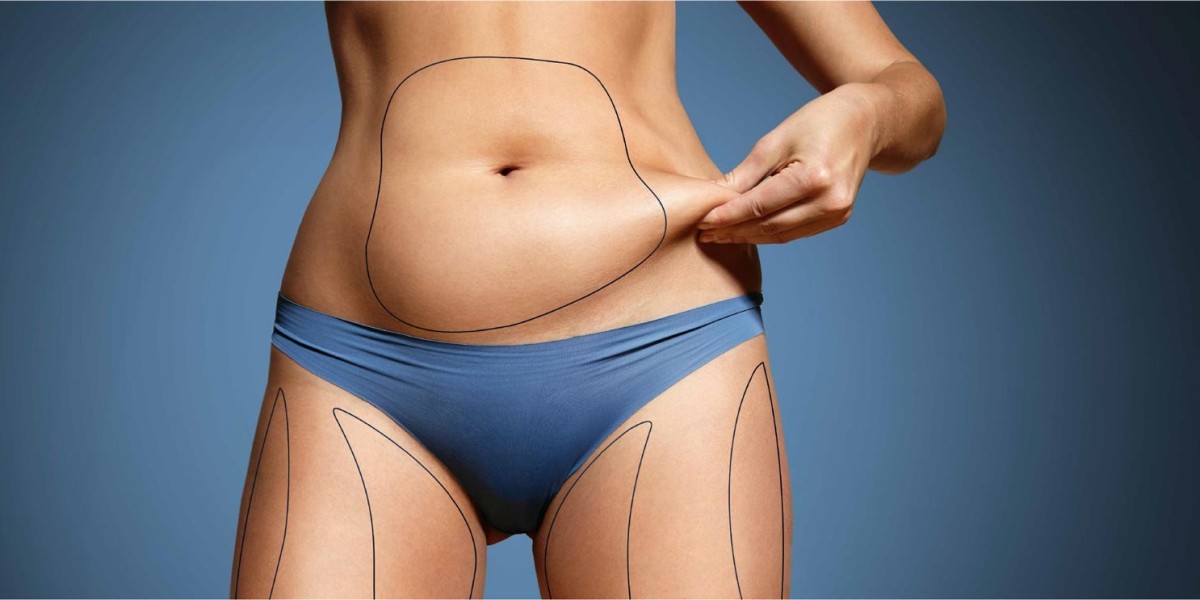
A mini tummy tuck is often seen as a subtle yet powerful body-contouring procedure designed for individuals who want a smoother, flatter lower abdomen without undergoing a full abdominoplasty. While the procedure itself is relatively limited in scope, the quality of results can vary significantly depending on surgical technique, patient selection, and post-operative care.
So, what actually defines the “best” outcome? Is it just a flatter stomach, or is there something more nuanced behind truly excellent results?
In this article, we break down the key elements that determine outstanding mini tummy tuck outcomes and what patients should realistically expect.
Understanding the Goal of a Mini Tummy Tuck
A mini tummy tuck focuses specifically on the lower abdomen, typically below the belly button. It addresses:
- Mild to moderate loose skin
- Small fat deposits resistant to diet and exercise
- Minor muscle laxity in the lower abdominal wall
- A slight lower belly bulge, often after pregnancy or weight fluctuation
Unlike a full tummy tuck, it does not reposition the navel or treat the entire abdominal wall. This makes it less invasive, but also more dependent on proper patient selection for ideal results.
What Defines a “Best” Mini Tummy Tuck Result?
A truly successful outcome goes beyond just visual improvement. It includes balance, proportion, and long-term satisfaction.
1. Natural Abdominal Contour
One of the most important markers of success is a natural-looking abdomen. The lower belly should appear flatter, but not artificially tight or over-corrected.
The transition between the upper and lower abdomen should remain smooth, avoiding any visible “step-off” or uneven tension.
2. Proper Skin Tightening Without Overcorrection
The goal is not extreme tightness but refined improvement. Over-removal of skin can lead to tension, unnatural pulling, or a distorted appearance.
The best results preserve softness while eliminating sagging.
3. Well-Placed, Minimal Scarring
A high-quality mini tummy tuck should result in a low, discreet scar that is easily hidden under underwear or swimwear.
Scar quality depends on:
- Surgical precision
- Skin healing ability
- Post-operative care
A fine, thin scar that fades over time is a key indicator of success.
4. Improved Lower Belly Flatness
The most noticeable benefit is a flatter lower abdomen. However, the best outcomes are those where improvement looks proportional to the rest of the body—not exaggerated.
5. Symmetry and Balance
A successful outcome ensures that both sides of the abdomen look even. Asymmetry or irregular contouring can reduce the aesthetic quality of results.
Factors That Influence the Best Results
Several important elements determine whether a mini tummy tuck delivers excellent results or average improvement.
1. Patient Selection
Not every individual is an ideal candidate. The best results are seen in patients who:
- Are close to their ideal body weight
- Have localized lower abdominal concerns
- Have good skin elasticity
- Do not require full abdominal muscle repair
Patients with significant skin laxity above the navel may not achieve optimal results with a mini procedure alone.
2. Skin Elasticity
Skin quality plays a major role in final appearance. Elastic skin contracts more smoothly after surgery, leading to better contouring and fewer irregularities.
3. Surgeon Technique
Precision is critical. The way skin is removed, tension is distributed, and tissues are closed all affect the final outcome.
A well-executed technique ensures:
- Smooth abdominal profile
- Minimal scarring
- Balanced symmetry
4. Healing Process
Even a perfectly performed surgery can be affected by poor healing. Following post-operative instructions is essential for reducing swelling, avoiding complications, and supporting scar quality.
5. Lifestyle Maintenance
Long-term results depend heavily on lifestyle choices. Weight fluctuations, pregnancy, or lack of physical activity can impact the abdominal contour over time.
What Patients Should Realistically Expect
Understanding realistic outcomes is key to satisfaction.
What improves:
- Lower abdominal bulging
- Mild skin laxity
- Subtle muscle looseness
- Overall abdominal smoothness
What does NOT change significantly:
- Upper abdominal fat (in most cases)
- Major weight reduction
- Severe muscle separation above the navel
A mini tummy tuck refines the body—it does not dramatically reshape it.
Recovery and Its Impact on Final Results
Recovery plays a direct role in shaping the final outcome.
Early Phase (1–2 weeks)
- Swelling and tightness are common
- Walking is encouraged for circulation
- Compression garments help support healing
Mid Phase (3–6 weeks)
- Swelling gradually decreases
- Abdominal contour becomes more visible
- Light activities resume
Final Phase (2–3 months and beyond)
- Final shape becomes clear
- Scars begin to fade
- Tissues fully settle into position
Patients who follow recovery instructions carefully often achieve smoother, more refined results.
Psychological and Aesthetic Satisfaction
The Best mini tummy tuck results are not only physical—they are emotional as well. Many patients report:
- Increased confidence in clothing
- Greater comfort in fitted outfits
- Improved body image perception
- Enhanced motivation for healthy living
However, satisfaction is highest when expectations are realistic from the beginning.
Long-Term Maintenance of Results
To preserve results for years, patients should:
- Maintain stable body weight
- Follow a balanced diet
- Engage in regular exercise
- Avoid major weight fluctuations
- Consider future pregnancy planning carefully
Consistency is key to maintaining a flat and toned appearance.
Potential Limitations of the Procedure
Even the best mini tummy tuck has limitations:
- It cannot correct significant upper abdominal laxity
- It does not replace weight loss
- It has a limited effect on stretch marks outside the treated area
- It may not address severe muscle separation
Understanding these limitations helps patients appreciate realistic outcomes.
Conclusion
The definition of the best mini tummy tuck results goes far beyond simply achieving a flatter stomach. It includes natural contouring, balanced proportions, minimal scarring, and long-lasting satisfaction. When performed on the right candidate with precise surgical technique and proper aftercare, a mini tummy tuck can deliver subtle yet meaningful improvements that enhance both appearance and confidence.
Ultimately, success is a combination of surgical skill, patient selection, healing quality, and lifestyle commitment. When all these elements align, the result is a refined, natural-looking abdomen that feels as good as it looks.
Frequently Asked Questions (FAQs)
1. What makes mini tummy tuck results “the best”?
The best results are natural-looking, symmetrical, long-lasting, and achieve a flatter lower abdomen without over-tightening or visible scarring.
2. How long do mini tummy tuck results last?
Results can last many years if the patient maintains a stable weight and healthy lifestyle.
3. Can a mini tummy tuck remove all belly fat?
No, it primarily targets lower abdominal skin and minor fat deposits. It is not a weight-loss procedure.
4. When will I see final results?
Initial improvement is visible within weeks, but final results typically appear after 2–3 months.
5. Will there be a visible scar?
Yes, but it is usually small, low on the abdomen, and designed to be hidden under clothing.
6. Can results change over time?
Yes, factors like pregnancy, aging, or weight gain can affect long-term results.
7. Who is the best candidate for this procedure?
Individuals with mild lower abdominal laxity, stable weight, and good skin elasticity are ideal candidates