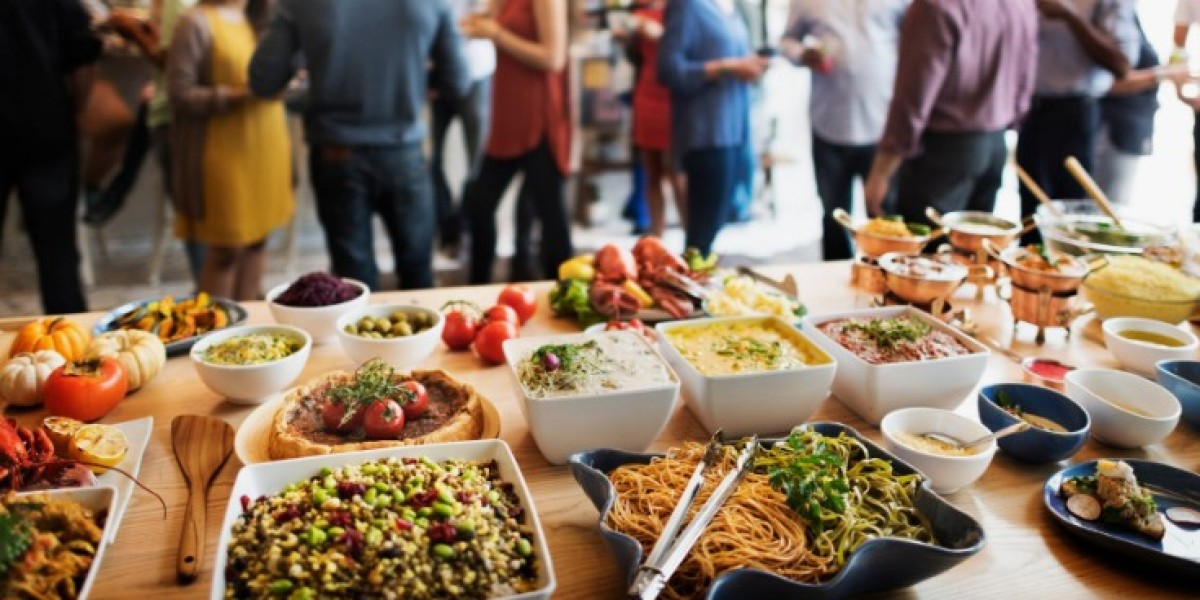
Corporate events serve diverse purposes, ranging from internal training seminars and executive board meetings to large-scale annual conferences and client appreciation galas. The foundational step in successful meal planning involves defining the precise nature of the gathering and analyzing the demographic composition of the attendees. High-level executives participating in an all-day strategy session require a different culinary approach than a network of young professionals attending a fast-paced afternoon workshop. Understanding regional backgrounds, professional expectations, and the overall schedule constraints allows coordinators to select appropriate service styles.
For example, morning sessions necessitate light, nutrient-dense options that sustain cognitive focus, while evening events can accommodate more elaborate presentations. Gathering accurate attendee data through early registration forms helps identify specific preferences well in advance of the event date. This proactive analysis ensures that the food served complements the event objectives rather than distracting from the core agenda. Furthermore, evaluating the historical preferences of a recurring group can guide future menu choices, preventing repetition and increasing general satisfaction.
Budget Allocation and Financial Forecasting Metrics
Financial predictability remains a critical component of any corporate event management strategy. Establishing a realistic per-head food and beverage budget prevents unexpected expenditures and streamlines approval processes within corporate accounting departments. Planners must account for hidden costs such as service charges, gratuities, equipment rentals, and staff labor fees when calculating overall projections. Allocating resources efficiently requires balancing premium culinary offerings with cost-effective staple items across the entire event timeline.
For multi-day conferences, cost averaging across different meals can optimize the total budget, allowing for simpler breakfast spreads balanced by more sophisticated lunch options. Maintaining transparent communication with suppliers regarding budgetary constraints facilitates the co-creation of realistic menus that do not sacrifice quality. Tracking historical consumption data from past events also provides valuable insights for estimating accurate quantities and preventing costly over-ordering. Proper financial planning enables organizations to deliver high-quality hospitality while adhering strictly to internal fiscal responsibilities.
Dietary Management and Menu Inclusivity Protocols
Modern corporate environments reflect a broad spectrum of personal health choices, cultural traditions, and medical restrictions that planners must respect. Providing inclusive menus is no longer an optional courtesy but a standard requirement for maintaining professional hospitality standards. Standard menus should incorporate vegetarian, vegan, gluten-free, and allergen-free alternatives that equal the main options in quality and presentation. When coordinating large scale events, utilizing structured business catering services allows organizations to navigate these complex dietary variables with technical precision and regulatory compliance.
Experienced kitchen operations implement strict cross-contamination preventions, ensuring that meals intended for sensitive attendees remain entirely safe. Clearly labeling all buffet items with comprehensive ingredient lists reduces confusion and enhances the comfort of the guests during meal intervals. This systematic approach guarantees that every participant feels valued and included, which directly elevates overall event satisfaction metrics.
Venue Coordination and Culinary Logistics Timeline
The physical constraints and operational rules of the chosen event venue heavily influence the feasibility of specific menu concepts. Some locations offer fully equipped commercial kitchens, while others require the setup of temporary mobile preparation spaces in restricted areas. Planners must conduct thorough site inspections to evaluate electrical capacities, water access points, and loading dock dimensions before finalizing food contracts. Establishing a minute-by-minute service timeline ensures that kitchen production aligns perfectly with the overarching event program schedule.
Delays in speaker presentations or interactive workshops require flexible kitchen management that can adjust serving times without compromising food temperature or quality. Coordinating closely with front-of-house service staff guarantees swift plate clearance and efficient table resetting during short breaks. This operational synchronicity prevents logistical bottlenecks and maintains a professional atmosphere throughout the venue spaces. Clear communication with venue managers also prevents conflicts regarding trash disposal and post-event cleanup responsibilities.
Sustainability Practices and Portion Control Optimization
Corporate social responsibility initiatives increasingly dictate that event planners prioritize environmental sustainability and waste reduction within hospitality management. Implementing accurate portion control methods represents the most effective strategy for minimizing food surplus and controlling raw ingredient costs. Culinary teams utilize precise mathematical formulas based on historical consumption patterns to calculate exact yield requirements for different group sizes. Choosing seasonal, locally sourced ingredients reduces the carbon footprint associated with long-distance food transportation while supporting regional agricultural economies.
Furthermore, replacing single-use plastics with biodegradable or compostable service ware demonstrates an organization's commitment to environmental stewardship. Establishing partnerships with local food recovery organizations allows for the safe donation of unconsumed, non-perishable items to community centers. These conscious practices align corporate gatherings with broader global sustainability targets while enhancing the ethical reputation of the hosting entity.
Streamlining Event Coordination with OrderCatering
Managing the intricate variables of corporate hospitality requires an administrative framework that reduces operational friction and guarantees reliable execution. Trying to independently source vendors, negotiate separate contracts, and track multiple invoices can overwhelm internal planning committees and introduce critical logistical errors. For organizations seeking an efficient method to handle ongoing culinary requirements for meetings or conferences, utilizing provides a centralized solution designed for corporate environments.
The platform offers access to verified service networks, transparent pricing structures, and punctual delivery tracking that simplifies procurement from initiation to completion. Entrusting food logistics to a dedicated management system ensures that menu diversity, food safety regulations, and dietary accommodations are handled by qualified professionals. This strategic delegation allows corporate leaders to focus entirely on delivering impactful presentations and achieving their primary business objectives without distraction.
Final Thoughts
Successful meal planning for corporate gatherings represents a multi-faceted discipline that directly influences attendee engagement, financial efficiency, and overall organizational reputation. By analyzing attendee demographics, establishing precise budgets, and prioritizing dietary inclusivity, planners can transform standard meal breaks into productive social anchors. Thorough venue coordination and sustainable operational practices further ensure that food service executes flawlessly without generating unnecessary waste or logistical delays. Utilizing modern procurement platforms simplifies these complex management processes, providing reliable infrastructure for events of any magnitude. Ultimately, investing adequate time and strategic thought into the culinary components of an event fosters a welcoming, professional environment that supports the core mission of the organization.