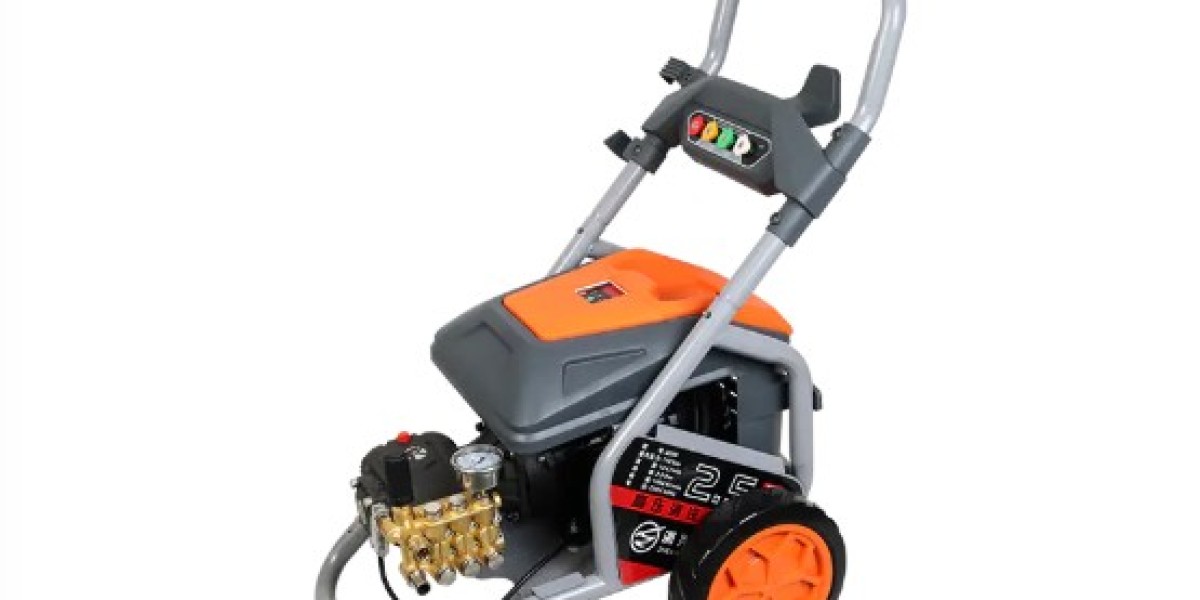
Industrial hydraulic systems require stable pressure output, continuous operation capability, and long-term reliability, and the Three Plunger High Pressure Pump is widely used in industrial environments that demand balanced fluid delivery and consistent performance under heavy workloads.
Material engineering is a key foundation for ensuring durability in multi-plunger systems. High-strength alloy materials combined with corrosion-resistant components are widely used to withstand abrasive media, chemical exposure, moisture, and continuous mechanical stress. These materials help maintain structural stability during long operating cycles while reducing wear caused by friction and pressure fluctuations. Advanced surface treatment technologies further enhance resistance to corrosion and improve component lifespan by reducing surface degradation under continuous operation.
The defining feature of a three-plunger system is its ability to distribute mechanical load evenly across multiple plungers. This balanced structure significantly reduces vibration compared to single-plunger designs and ensures smoother hydraulic output. Synchronized motion between plungers improves pressure consistency, which is essential for industrial applications requiring precise and continuous fluid control. Reduced vibration also minimizes mechanical stress on internal components, improving overall system durability and operational reliability.
Hydraulic flow design plays an important role in system performance. Internal channels are optimized to reduce resistance and improve fluid movement efficiency. This allows the system to maintain stable pressure output even under fluctuating operational conditions. Improved flow stability reduces energy loss and enhances overall efficiency, ensuring consistent performance during long industrial cycles. Mechanical synchronization further improves operational balance, reducing internal wear and extending equipment lifespan.
Industrial applications for three plunger pumping systems are extensive. Waterjet cutting systems rely on stable high-pressure output for precise material processing and accurate cutting results. Industrial cleaning systems use high-pressure fluid to remove coatings, contaminants, and residues from machinery and infrastructure. Oil and gas industries depend on reliable pumping systems for extraction, refining, and transportation processes where continuous operation is essential. Mining and chemical industries also require durable systems capable of handling abrasive and chemically active fluids while maintaining stable performance under demanding conditions.
Engineering optimization contributes significantly to operational efficiency and system reliability. Modular structural design allows easier maintenance and faster component replacement, reducing downtime and improving productivity. Internal mechanical systems are designed to ensure smooth motion transfer while minimizing energy loss during operation. These improvements help maintain stable performance under continuous workloads and extend overall equipment lifespan.
Energy efficiency is increasingly important in modern industrial systems. Optimized hydraulic design reduces unnecessary energy consumption while maintaining stable pressure output. This improves operational efficiency and supports long-term cost reduction strategies for industrial users. Lower vibration levels and balanced mechanical operation also contribute to reduced maintenance requirements and improved system longevity.
The Three Plunger High Pressure Pump reflects FEIKE’s focus on stable hydraulic engineering and durable industrial design. More technical information and product details can be found at https://www.triplex-plungerpump.com/product/pumps/ where FEIKE provides advanced pumping solutions for global industrial applications.