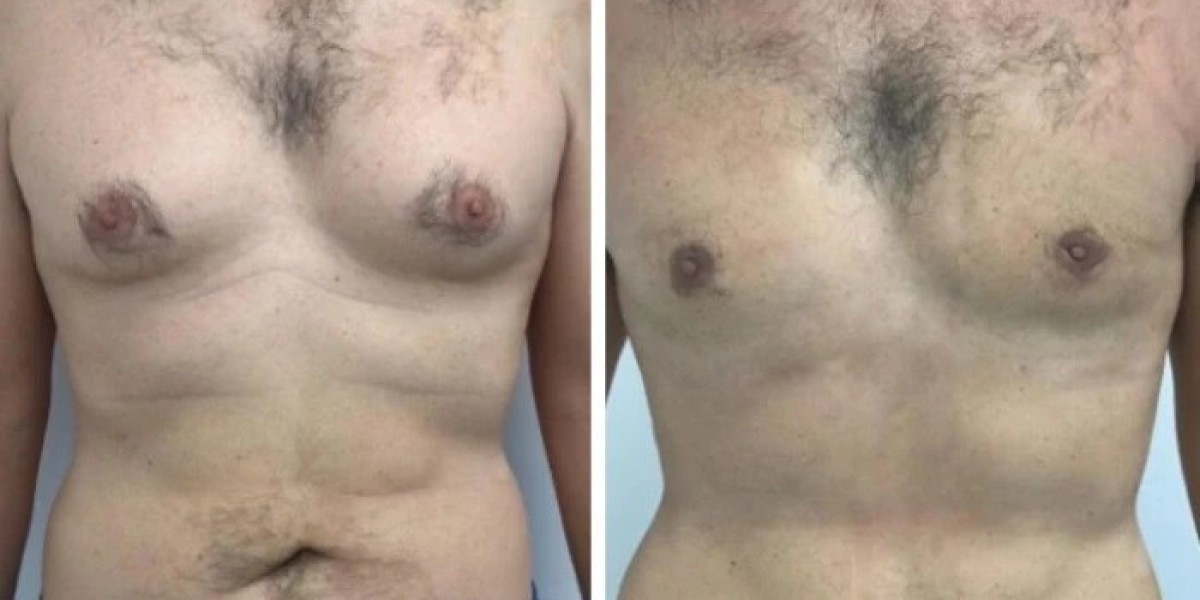
The decision to pursue physical enhancement involves a careful consideration of personal goals, anatomical realities, and the available medical technologies. Individuals seek these procedures for various reasons, including reconstructive needs following trauma, congenital conditions, or a desire to alter specific features for personal satisfaction. The landscape of aesthetic medicine has expanded significantly, offering a spectrum of interventions that range from minimally invasive office treatments to complex surgical operations performed in accredited hospital settings. Understanding the fundamental differences between these approaches is the first step in making an informed choice that aligns with realistic expectations and health priorities.
Medical advancements have refined both surgical and non-surgical techniques, reducing recovery times and improving predictability. Before selecting a path, it is essential to analyze how different treatments interact with the biology of the skin, fat layers, and muscle tissue. Every procedure carries a distinct profile regarding longevity, physiological impact, and financial commitment. A thorough exploration of these factors ensures that patients approach physical enhancement with a clear comprehension of what each modality can genuinely achieve.
The Role of Initial Anatomy and Patient Assessment
A successful outcome in any aesthetic intervention relies heavily on the baseline physical condition of the patient. Factors such as skin elasticity, underlying bone structure, and overall systemic health determine whether an individual is a suitable candidate for a particular technique. For instance, non-surgical skin tightening relies on the body ability to produce new collagen, which naturally declines with age. If the skin has lost too much structural integrity, surgical excision may be the only effective method to address tissue laxity. A comprehensive evaluation by a qualified medical professional is necessary to map these anatomical variables against the patient desired outcomes.
Investigating Advanced Surgical Procedures
Surgical interventions remain the standard for significant structural alterations and long-term transformations. These procedures involve incisions, tissue repositioning, and sometimes the insertion of medical implants to reshape the body or face. Because surgery addresses the deeper anatomical layers, it can achieve dramatic changes that non-surgical methods cannot replicate. Operations such as rhinoplasty, facelifts, and various body contouring techniques require general anesthesia or deep sedation, necessitating a controlled surgical environment to ensure safety and precision.
The primary advantage of surgical options is their permanence and capability to remove excess skin or large volumes of adipose tissue. Surgeons can physically tighten underlying musculature, providing structural support that alters the fundamental silhouette. However, these benefits come with the requirement of a formal recovery period, during which the body heals from the controlled trauma of the operation. Managing post-operative swelling, bruising, and scar maturation is an integral part of the surgical journey, requiring patience and adherence to strict medical protocols.
Deep Tissue Manipulation and Structural Changes
Unlike superficial treatments, surgery allows direct access to the musculoskeletal framework. In procedures addressing the abdominal wall or the facial structure, stabilizing the underlying muscle layers is critical for achieving a natural and lasting result. For example, plication of the abdominal muscles restores core integrity that may have been compromised by pregnancy or significant weight fluctuations. This level of anatomical modification alters how the body carries weight and distributes tension, providing a foundational change that superficial treatments simply cannot mirror.
Analyzing Non-Surgical and Minimally Invasive Alternatives
For individuals seeking enhancement without the downtime or risks associated with anesthesia, non-surgical modalities offer a compelling alternative. This category includes injectables, energy-based devices, and chemical treatments designed to alter the appearance of the skin and subcutaneous tissue. These treatments generally function by stimulating natural cellular processes, such as collagen synthesis, or by temporarily altering muscle activity to smooth out dynamic wrinkles.
The appeal of non-surgical interventions lies in their convenience and minimal disruption to daily life. Most sessions can be completed in under an hour, earning them the reputation of lunchtime procedures. While the results are typically subtler and temporary compared to surgery, they allow for a gradual, evolutionary approach to physical enhancement. This predictability makes them highly popular among individuals who wish to maintain a specific appearance without undergoing a single, drastic transformation.
Mechanism of Action in Injectables and Energy Devices
Neuromodulators and dermal fillers operate on distinct physiological principles. Neuromodulators temporarily block nerve signals to specific muscles, preventing the contractions that cause creases in the skin. Dermal fillers, often composed of hyaluronic acid or calcium hydroxylapatite, physically add volume to areas experiencing age-related fat depletion. Meanwhile, laser and radiofrequency devices deliver controlled thermal energy to the dermis, triggering a wound-healing response that tightens existing collagen fibers and encourages the formation of new structural proteins over several months.
Comparing Longevity and Maintenance Demands
Financial and Lifestyle Considerations over Time
The choice between a one-time surgical expense and recurring non-surgical costs involves careful budgeting. Surgery requires a significant upfront financial investment, covering surgeon fees, anesthesia, operating room utilization, and post-operative garments. Additionally, the patient must account for time away from work during the recovery phase. Non-surgical options distribute costs over time, which may fit more easily into annual financial planning, and they rarely require taking time off from professional or social obligations.
Evaluating Safety Profiles and Recovery Timelines
Safety is the paramount consideration in any medical intervention. Surgical procedures carry inherent risks such as infection, hematoma, adverse reactions to anesthesia, and prolonged scarring. These risks are mitigated by selecting board-certified surgeons and operating in accredited facilities. The recovery timeline for surgery is measured in weeks or months, during which physical activity must be restricted to allow tissues to heal without undue stress or tension.
Non-surgical procedures carry a lower risk profile, with side effects typically limited to temporary redness, swelling, or minor bruising at the injection or treatment site. Serious complications, such as accidental vascular occlusion from fillers, are rare but possible, underscoring the necessity of seeking treatment from licensed and experienced medical practitioners. Recovery from non-surgical interventions is usually immediate, allowing patients to resume regular activities almost immediately, with only minor restrictions regarding sun exposure or strenuous exercise for the first twenty-four hours.
The Impact of Practitioner Credentials on Outcomes
Regardless of whether a procedure involves a scalpel or a syringe, the expertise of the provider is the single greatest factor influencing both safety and aesthetic success. A deep understanding of facial and body anatomy is required to avoid critical nerves and blood vessels. Licensed professionals possess the training necessary to recognize early signs of complications and intervene immediately, ensuring that patient health is protected throughout the entire therapeutic process.
Discovering Comprehensive Medical Care Resources
Navigating the complex choices of aesthetic and reconstructive medicine requires access to reliable, professional guidance and state-of-the-art facilities. Comprehensive healthcare platforms provide patients with the educational resources and clinical expertise needed to evaluate various treatment paths safely. By offering clear insights into both surgical options and minimally invasive Body Procedures to address localized concerns, these professional environments ensure that every individual receives a personalized assessment tailored to their specific physiological needs. Utilizing a trusted medical network helps demystify the preparation and recovery processes, allowing patients to proceed with confidence. Exploring the clinical offerings available at thepracticehealthcare.com provides a solid foundation for those seeking to understand their options in a supportive, highly professional setting dedicated to optimal patient outcomes and overall well-being.
Conclusion
Choosing between surgical and non-surgical physical enhancement requires a balanced understanding of anatomy, treatment mechanisms, and long-term expectations. Surgery offers definitive, structural changes that last for years but demands a higher upfront investment and a dedicated recovery period. Non-surgical alternatives provide convenient, low-risk options for subtle adjustments and maintenance, though they require ongoing treatments to preserve results. Ultimately, an informed decision is best reached through detailed consultation with qualified medical professionals who can align clinical options with individual health profiles and personal aesthetic goals.