
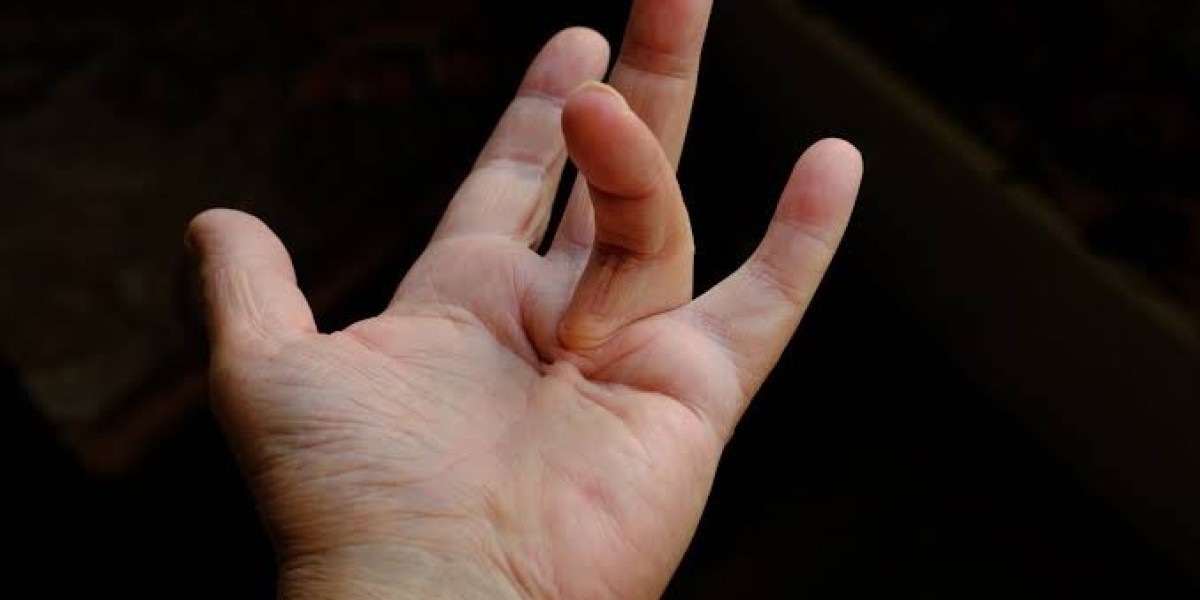
Many people notice small lumps or thickened tissue in the palm of their hand and assume it is a minor issue. However, these changes can sometimes indicate Viking's disease, a condition that gradually affects hand movement and finger flexibility. Known medically as Dupuytren's contracture, this condition causes the tissue beneath the skin of the palm to thicken and tighten over time.
The condition is often referred to as viking's disease because it has historically been more common among people of Northern European ancestry. You may also hear it called viking hand disorder, viking syndrome hand, or dupuytren's viking disease.
In this complete guide, we will explain what Viking's disease is, its symptoms, causes, diagnosis, treatment options, and the latest developments in dupuytren contracture new treatment approaches.
What Is Viking's Disease?
Viking's disease is another name for Dupuytren's contracture, a hand condition that affects the connective tissue beneath the skin of the palm. This tissue, called fascia, gradually thickens and forms cords that pull one or more fingers toward the palm.
As the condition progresses, it can become difficult to fully straighten the fingers. The ring finger and little finger are most commonly affected, although other fingers may also be involved.
Because of its association with Northern European populations, the condition earned the nickname viking hand disorder or viking syndrome hand.
Why Is It Called Viking's Disease?
The nickname originated from the observation that Dupuytren's contracture occurs more frequently among people with Scandinavian, Nordic, and Northern European ancestry. Researchers believe genetic factors play a significant role in the development of the disease.
Although the condition is often linked to Viking descendants, anyone can develop dupuytren's viking disease, regardless of ethnicity or family background.
Symptoms of Viking's Disease
The symptoms usually develop slowly and may take years to become noticeable.
Common signs include:
- Small lumps or nodules in the palm
- Thickened tissue beneath the skin
- Formation of rope-like cords in the hand
- Difficulty fully straightening the fingers
- Reduced hand flexibility
- Problems gripping objects
- Difficulty placing the hand flat on a table
Many people experience no pain, especially in the later stages. However, some individuals may notice tenderness or discomfort when nodules first appear.
Causes of Dupuytren's Contracture
The exact cause of viking's disease remains unclear, but several factors are associated with an increased risk.
Genetics
Family history is one of the strongest risk factors. People with close relatives who have the condition are more likely to develop it themselves.
Age
The condition is more common after age 50 and becomes increasingly prevalent with advancing age.
Gender
Men are generally affected more frequently and often experience more severe symptoms than women.
Lifestyle Factors
Research suggests possible links between:
- Smoking
- Excessive alcohol consumption
- Diabetes
- Certain medications
- Repetitive hand stress
However, these factors do not directly cause the disease.
Stages of Viking Hand Disorder
Early Stage
Small nodules form beneath the skin of the palm. Most people have few symptoms during this phase.
Intermediate Stage
The nodules begin developing into cords. Finger movement may become slightly restricted.
Advanced Stage
The cords tighten significantly, pulling fingers toward the palm and making everyday activities more difficult.
Severe Contracture
In severe cases, one or more fingers may become permanently bent, limiting hand function and dexterity.
How Is Viking's Disease Diagnosed?
Doctors typically diagnose viking syndrome hand through a physical examination.
The evaluation may include:
- Examining the palm and fingers
- Measuring finger flexibility
- Assessing grip strength
- Reviewing family history
- Performing the tabletop test
During the tabletop test, patients attempt to place their hand flat on a table. Difficulty doing so may indicate Dupuytren's contracture.
In most cases, imaging tests such as X-rays or MRI scans are not necessary.
Impact on Daily Life
As dupuytren's viking disease progresses, simple tasks can become challenging.
Affected individuals may struggle with:
- Shaking hands
- Wearing gloves
- Typing on keyboards
- Holding tools
- Playing musical instruments
- Sports activities
- Personal grooming tasks
The severity varies significantly from person to person. Some individuals experience only minor limitations, while others develop substantial hand dysfunction.
Treatment Options for Viking's Disease
Treatment depends on symptom severity and the extent of finger contracture.
Observation and Monitoring
In mild cases, doctors may simply monitor progression without immediate intervention.
Regular checkups help determine whether the condition is worsening.
Hand Therapy
Physical therapy and stretching exercises may help maintain mobility and flexibility.
Benefits include:
- Improved range of motion
- Better hand function
- Reduced stiffness
- Increased comfort during daily activities
Splinting
Some healthcare providers recommend splints to support finger positioning, particularly after treatment procedures.
Needle Aponeurotomy
This minimally invasive procedure involves using a needle to break apart the thickened cords.
Advantages include:
- Quick recovery
- Minimal scarring
- Outpatient treatment
- Immediate improvement in many cases
Collagenase Injections
Collagenase injections help dissolve the cords responsible for finger contracture.
After the injection, the physician gently manipulates the finger to break the weakened cord.
This option is often preferred because it avoids traditional surgery.
Surgical Treatment
For advanced viking hand disorder, surgery may be necessary.
The surgeon removes or releases the affected tissue to improve finger movement.
Benefits can include:
- Significant correction of contracture
- Improved hand function
- Long-term symptom relief
Recovery may require physical therapy and rehabilitation.
Dupuytren Contracture New Treatment Developments
Researchers continue exploring innovative approaches for dupuytren contracture new treatment options.
Some promising areas include:
Improved Injection Therapies
Scientists are investigating more targeted medications that can soften or break down abnormal tissue more effectively.
Regenerative Medicine
Researchers are studying ways to influence the body's healing response and prevent excessive tissue formation.
Anti-Fibrotic Treatments
Since Dupuytren's contracture involves abnormal scar-like tissue growth, anti-fibrotic therapies may help slow progression.
Advanced Surgical Techniques
New minimally invasive procedures aim to improve outcomes while reducing recovery time and recurrence rates.
Although research continues, patients should discuss the latest available options with qualified healthcare providers.
Can Viking's Disease Be Prevented?
Currently, there is no proven method to completely prevent viking's disease.
However, maintaining overall health may support hand wellness.
Helpful habits include:
- Avoiding tobacco products
- Limiting alcohol consumption
- Managing diabetes effectively
- Staying physically active
- Maintaining hand flexibility through regular movement
These measures may support general hand health, although they cannot guarantee prevention.
Living With Viking Syndrome Hand
Many people successfully manage viking syndrome hand and continue normal daily activities.
Practical tips include:
- Performing hand exercises regularly
- Using adaptive tools when needed
- Seeking treatment early
- Attending routine medical evaluations
- Following rehabilitation recommendations
Early intervention often leads to better outcomes and may reduce the need for extensive treatment later.
When Should You See a Doctor?
Consider consulting a healthcare professional if you notice:
- New lumps in the palm
- Thickened tissue beneath the skin
- Difficulty straightening fingers
- Reduced hand flexibility
- Progressive hand contracture
Prompt evaluation can help determine the best management strategy before the condition becomes more severe.
Conclusion
Viking's disease, also known as Dupuytren's contracture, is a progressive hand condition that can significantly affect finger movement and daily activities. Often referred to as viking hand disorder, viking syndrome hand, or dupuytren's viking disease, the condition involves thickening and tightening of tissue beneath the palm.
While there is currently no permanent cure, several effective treatment options are available, including injections, needle procedures, therapy, and surgery. Ongoing research into dupuytren contracture new treatment methods continues to improve patient outcomes and expand available options.