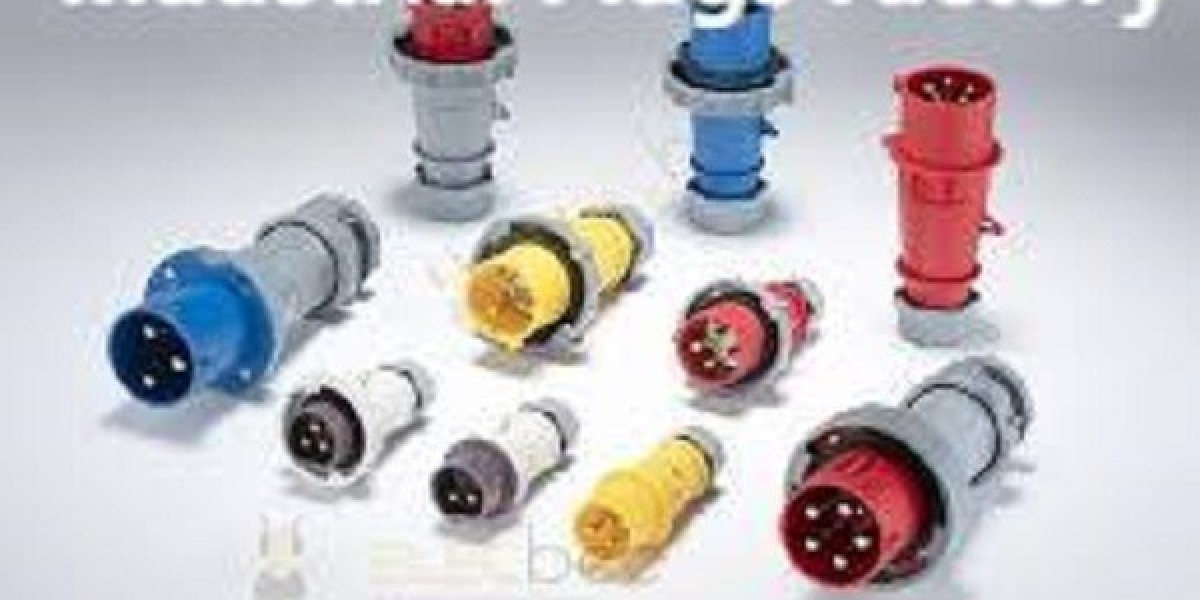
In heavy-duty installations, reliable connections matter more than ever: selecting the right Industrial Plug early in the design prevents mismatches and unplanned downtime, and evaluating mating gear, current capacity, and environmental sealing together guarantees a better outcome than choosing parts piecemeal. Engineers routinely specify a Industrial Plug in drawings when predictable, serviceable power connections are required for motors, generators, or temporary distribution; placing that decision at the front of the project reduces surprises during commissioning.
Match Ratings To Real-World Loads
Begin with a precise assessment of continuous current, short-term inrush, and voltage needs. Connector datasheets list continuous ratings but rarely reflect repeated startup stresses or harmonic content from variable-speed drives. Choose a connector with ample headroom — not only for electrical safety but also to reduce contact heating and premature wear. Don’t forget ambient temperature derating: a connector that runs hot at 40°C will perform poorly in hot plant rooms or in direct sunlight on outdoor sites.
Environmental Sealing And Mechanical Retention
Ingress protection and mechanical retention are critical in demanding settings. For washdown, outdoor, or chemical-exposed locations, select housings and gaskets tested to appropriate IP or NEMA levels and resistant to oils, solvents, and UV. Mechanical locking — screw collars, bayonet couplers, or positive latches — prevents accidental disconnection under vibration. Strain relief and proper cable anchoring eliminate lever forces on contacts that otherwise lead to fretting and contact surface degradation.
Contact Materials, Plating, And Thermal Behaviour
Contact metallurgy matters. Copper alloys with silver or nickel plating balance conductivity and wear resistance; gold plating is useful for low-current signal pins to preserve low contact resistance, but it is unnecessary (and expensive) for heavy power contacts. Pay attention to contact cross-section and insertion force specifications — larger cross-sections reduce resistive heating. Also consider whether the connector’s insulating materials are rated for expected temperatures and resistant to thermal cycling.
Nante Connector Series: Practical Features For Field Use
When choosing a product family, look beyond the basic datasheet. Modular designs that allow replacement of inserts, standardized spare parts, and readily available sealing kits simplify logistics. Suppliers that provide installation guides, torque values, and clear part-number cross-references reduce installer errors. A well-documented family supports maintenance efficiency, shortening mean time to repair and lowering spare-parts inventory complexity.
Installation, Testing, And Preventive Maintenance
Good installation is the frontline defence against failures. Prepare conductors correctly for crimp or lug terminations, apply specified torques, and verify earthing continuity. Commissioning should include continuity, insulation resistance, and contact-resistance checks under cold and warm conditions. Schedule periodic inspections that look for discoloration at contacts, seal compression changes, and locking mechanism wear. Simple on-site measurements of contact resistance can reveal degraded joints before they become safety hazards.
Practical Advice For Specifiers And Technicians
For temporary power or rental fleets, standardize on a single connector family to avoid mismatches and reduce the risk of unsafe adaptors. Color-coding and clear labeling at sockets and plugs reduce human error during live site changes. Keep a small kit of common replacement seals, inserts, and retention rings on-site to handle minor repairs without delaying operations. When in doubt, consult manufacturer application notes for specific installation practices for the connector series you select.
Choosing the appropriate connector is as much about lifecycle thinking as it is about the initial purchase price. Factoring installation labour, expected maintenance intervals, environmental exposure, and availability of spares into the selection process typically leads to a lower total cost of ownership. Thoughtful specification and disciplined maintenance practices protect equipment and people while delivering more predictable uptime. For a technical overview and helpful reference on connector types and uses, seehttps://www.nante.com/news/industry-news/what-is-industrial-plug.html